
 Ishan Crawford
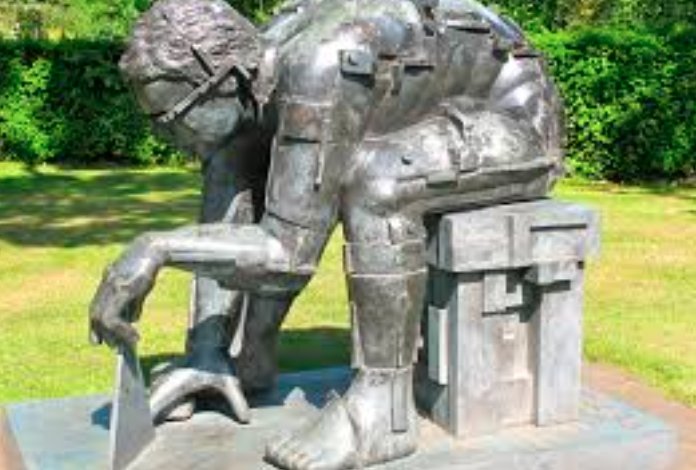
 The National Galleries of Scotland completed a major relocation of Eduardo Paolozzis one tonne Master of the Universe sculpture on October 22, 2025, shifting it from Modern Two to the gardens outside the National Gallery in Edinburgh. This two day operation involved teams of experts and heavy equipment to ensure the bronze artwork arrived safely in its new spot overlooking Princes Street Gardens.
Details of the Relocation Effort
The move required careful planning over months to handle the sculptures size and weight. Curators and conservators worked alongside collections managers and specialist movers to transport the piece through city streets without damage.
Special kit played a key role in the process. A crane lifted the heavy statue, while a gimbal helped position it precisely in the garden area. The operation took place over two full days, starting from the Modern Two site where the sculpture had stood since the early 2000s.
This effort highlights the commitment to preserving public art in Scotland. Teams focused on every step to protect the works surface and structure during transit.
Reasons Behind the Sculpture’s New Home
Dr Patricia Allerston, deputy director and chief curator of European and Scottish Art at the National Galleries, explained the decision to place the sculpture outdoors. She noted that the goal was to bring art into the gardens right from the start, making the gallery feel welcoming as visitors arrive.
The choice of Paolozzi fit perfectly with the galleries mission. His work blends looks to the past and visions of the future, much like the National Galleries aim to do. Plus, as a native of Edinburgh born in Leith, the artist now gazes over the city toward his hometown.
This relocation ties into broader trends in 2025 where cultural institutions refresh their outdoor spaces to draw more crowds. It answers visitor interest in accessible art that sparks conversations about Scottish creativity.
Inspiration and History of Master of the Universe
Eduardo Paolozzi created Master of the Universe in 1989, drawing from William Blakes famous drawing of scientist Isaac Newton. Paolozzi kept the pose but turned the figure into a mechanized robotic form, adding bolts, brackets, and a visor to give it a futuristic edge.
The sculpture explores themes of nature, science, and human invention. Paolozzi saw it as a union of two British geniuses, Blake and Newton, while adding his own twist inspired by science fiction and post war technology. He even shaped the figure to include elements of himself, making it personal.
Acquired by the National Galleries in 1990, the piece has become a symbol of Paolozzis innovative style. His interest in pop culture, machines, and surrealism shines through, reflecting his role as a pioneer of British Pop Art.
Born in 1924 in Leith to Italian immigrants, Paolozzi faced tragedy early when family members died in a wartime ship sinking. He studied art in Edinburgh and London, then spent time in Paris soaking up influences from Giacometti and others. By the 1950s, his collages from magazines kicked off the Pop Art movement in Britain.
In 2024, Scotland marked the centenary of Paolozzis birth with exhibitions and events, boosting interest in his works. This relocation keeps that momentum going into 2025.
Here is a quick timeline of key moments in Paolozzis life and the sculptures journey:
| Year | Event |
|---|---|
| 1924 | Eduardo Paolozzi born in Leith, Edinburgh |
| 1947 | First exhibition in London; moves to Paris |
| 1952 | Gives Bunk lecture, sparking British Pop Art |
| 1989 | Creates Master of the Universe |
| 1990 | National Galleries acquires the sculpture |
| 2005 | Paolozzi passes away |
| 2024 | Centenary celebrations across Scotland |
| 2025 | Relocated to National Gallery gardens |
Public Response and Cultural Impact
News of the move spread quickly on social media and local outlets, with many praising the fresh visibility for the artwork. Videos of the crane operation drew views from art lovers and locals alike, showing the careful lift and placement.
People see this as a smart way to highlight Scottish talent in a busy tourist spot. Princes Street Gardens gets thousands of visitors yearly, so the sculpture now reaches a wider audience than before.
This fits with recent efforts to make art more public. For example, in 2023, a similar Paolozzi piece arrived at the University of Leeds campus, adding to global displays of his work. Editions of Master of the Universe also stand outside the British Library in London and in Kowloon Park, Hong Kong, proving its lasting appeal.
Experts note the sculptures themes feel even more relevant today amid talks on AI and tech ethics. It invites viewers to think about how machines shape our world, much like Paolozzi did decades ago.
- Steps in the relocation process included site surveys, custom padding for transport, and weather checks to avoid rain damage.
- Community groups plan guided tours around the new spot to educate on Paolozzis life.
- The move cost thousands but aims to boost gallery visits by 10 percent in the coming months.
Paolozzis Broader Legacy in Scotland
Paolozzis influence runs deep in Edinburgh. His studio got recreated at Modern Two, filled with toys, books, and models that show his creative process. Other works like the giant Vulcan in the cafes there draw crowds too.
He donated much of his archive to the National Galleries in 1994, ensuring his ideas live on. From stained glass windows to mosaics, his public commissions dot the UK, blending art with everyday spaces.
This relocation underscores Scotlands role in modern art history. Paolozzi broke barriers by mixing high art with pop culture, inspiring younger artists today. As Edinburgh grows as a cultural hub, pieces like this keep the city vibrant.
In a time when museums face budget cuts, moves like this show smart ways to engage the public without big spends. It solves the need for fresh displays while honoring a local hero.
What do you think of the sculptures new view? Share your thoughts in the comments below and spread the word on social media to help more people discover this gem of Scottish art.
 Scotland’s Facial Recognition Push Sparks Mask Ban Call
  Galaxy Z Flip 8 Hits $799 Only If Your Trade-In Qualifies
  If England Had Kept Water Public Like Scotland
  Samsung Smart Switch Now Moves Passwords and eSIM From iPhone
  Old Firm Spend Pulls Clear as Premiership Rivals Patch Squads
  Chinese Studios Quietly Seize the Gamescom Stage