
 Ishan Crawford
 A new poll reveals that more Scots oppose assisted suicide for people with incurable but not terminal illnesses than support it, highlighting growing concerns over the issue. This comes as Scotland’s parliament debates a bill that could legalize assisted dying for terminally ill adults, sparking intense discussions on ethics and safeguards.
Poll Highlights Opposition in Scotland
The latest YouGov survey of Scottish residents shows a clear plurality against expanding assisted suicide to incurable conditions. Out of 156 respondents, 38 percent said no to allowing it for such cases, while 33 percent said yes. The remaining people either did not know or skipped the question.
This marks the second time in recent polls where opposition edges out support in Scotland alone. Across the wider Great Britain, views differ slightly, with 41 percent in favor and 32 percent against for incurable illnesses. These numbers reflect ongoing debates as lawmakers weigh the bill’s future.
Experts note that public opinion can shift based on how questions frame the topic. When polls focus on terminal illness, support often climbs higher, around 75 percent in some surveys. But for broader incurable cases, resistance grows due to fears of misuse.
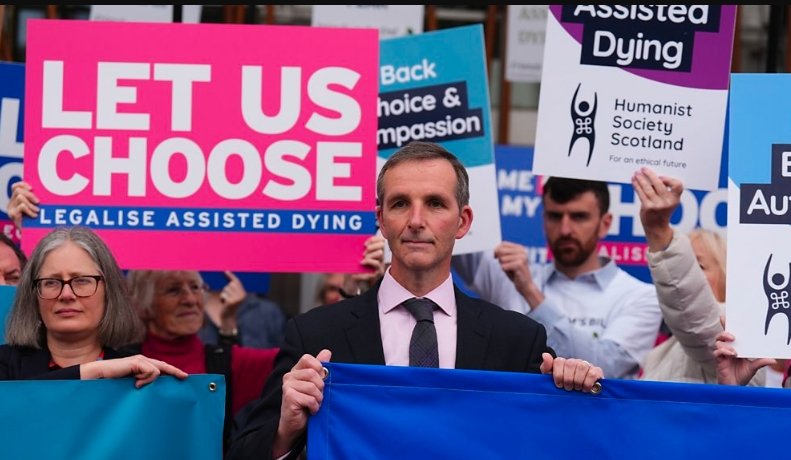
Leaders Voice Strong Concerns
Scotland’s First Minister John Swinney has called the proposed law discriminatory, especially for disabled people. In early September 2025, he warned it could harm equality and human rights for the vulnerable. Swinney, shaped by his faith, worries it might pressure patients to end life early, feeling like a burden.
The Church of Scotland reaffirmed its opposition in May 2025, voting narrowly to maintain its historic stance. Church leaders recognize diverse views but stress the value of life and risks to palliative care. Groups like the Society for the Protection of Unborn Children echo this, urging lawmakers to reject the bill over weak safeguards.
Opponents point to international examples where laws started narrow but expanded quickly. In places like Canada, assisted dying now covers more cases, raising alarms about coercion for the elderly or disabled. These stories fuel Scottish debates, linking to recent events in England where a similar bill passed the Commons by just 23 votes in June 2025.
Key Risks and Safeguards Debated
The Assisted Dying for Terminally Ill Adults (Scotland) Bill targets adults resident in Scotland for at least 12 months with an advanced condition expected to cause premature death. It requires medical help to end life, but critics say the definition of terminal is too vague.
Here are main concerns raised by opponents:
- Risk of abuse: Laws could pressure vulnerable people into choosing death due to family or societal burdens.
- Impact on disabled: It might signal that disabled lives hold less value, eroding equality.
- Slippery slope: Initial limits often loosen, as seen in other countries where non-terminal cases grew.
- Strain on healthcare: Doctors might face ethical dilemmas, changing patient-clinician trust.
Supporters argue it gives autonomy to those in severe suffering, with strict checks like court approval. Yet, polls show when people hear these risks, support drops sharply. One survey found backing fell from 75 percent to 19 percent after explaining real-world issues.
To compare poll results on assisted dying in Scotland:
| Poll Source | Date | Support for Terminal Illness (%) | Opposition for Incurable Illness (%) | Sample Size |
|---|---|---|---|---|
| YouGov Tracker | Sep 2025 | 75 (general) | 38 | 156 Scots |
| Opinium | 2024 | 78 | N/A | Large Scotland sample |
| Care Not Killing | May 2025 | 25 (after arguments) | 67 | Undisclosed |
This table draws from multiple surveys, showing how context affects views. The 2025 data underscores a timely shift amid the bill’s progress.
Broader Implications for Scottish Society
The debate ties into wider trends, like rising palliative care needs in an aging population. Scotland invests heavily in end-of-life support, but opponents fear legalization could divert funds or undermine it. Recent Reddit discussions reveal split opinions, with many users citing personal stories of suffering versus fears of overreach.
In England, the narrow June 2025 vote sparked similar talks, with costs projected at millions for the NHS by 2038. Scottish MSPs face pressure from both sides, with lobby groups active on social media. Twitter posts show young Scots, aged 18-24, leaning against the bill more than expected.
This issue solves real pain for some but risks for many others. It entertains deep ethical questions while informing on policy choices. Readers facing health challenges might find comfort in knowing debates prioritize safeguards.
What do you think about this poll and the bill? Share your views in the comments below and spread the word to spark more conversation on this vital topic.
 Sensex Drops 893 Points, Nifty Falls 1.16% as IT and Metals Drag
  Messi Overtakes Klose and Marta as All-Time World Cup Top Scorer
  New Zealand Women vs Scotland Women T20 World Cup 2026 Prediction
  Tata Motors CV Sets FY2028 Bet on Iveco, AI Margins and 3,400 EVs
  Akasa Air Plans 30% Capacity Growth in FY27, Holds Long-Term Target
  Nvidia’s Hot Liquid Cooling Could Cut AI’s Water Bill, but Not Its Energy