

Scotland’s export economy is getting a major shot in the arm — and quite literally in the case of whisky — as the UK’s new trade agreement with India promises to pour £190 million into the Scottish economy.
Signed as part of the UK Government’s “Plan for Change,” the trade pact is being hailed as a turning point for Scottish producers, manufacturers, and workers seeking fresh access to one of the fastest-growing markets in the world.
A Dramatic Drop in Whisky Tariffs
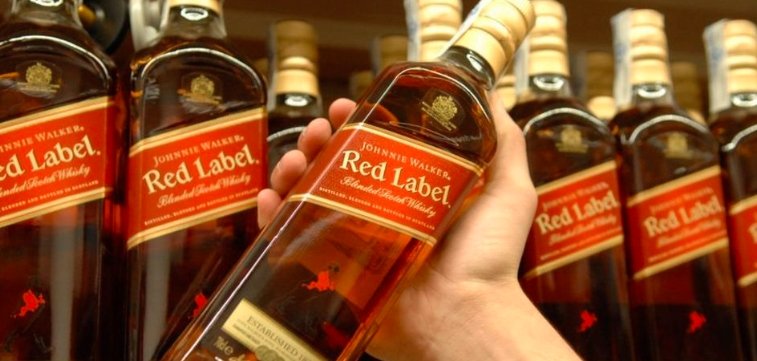
The headline-grabbing detail? India’s notoriously steep import duties on Scotch whisky — which stood at a punishing 150% — will be slashed in half immediately to 75%. And in a move that could reshape the global whisky trade, tariffs are set to fall even further to 40% over the next decade.
India is already the world’s largest whisky market by volume, but price barriers have long limited sales of authentic Scotch. The new deal promises to make Scotland’s national drink more accessible to India’s booming middle class.
“This is a breakthrough moment,” said a spokesperson for the Scotch Whisky Association. “We expect not only increased sales, but stronger brand recognition and deeper cultural ties between our countries.”
Beyond Whisky: A Refreshing Opportunity
The deal doesn’t stop at spirits. Scottish soft drink manufacturers are also raising a glass. India’s 33% tariff on soft drinks will be phased out entirely, paving the way for brands such as Irn-Bru and smaller artisan producers to find new customers on the subcontinent.
“This opens the door for companies of all sizes,” said Fiona MacRae, trade analyst at Scottish Development International. “Whether it’s carbonated beverages or craft cordials, the Indian market just became a lot more attractive.”
£600 Million and Climbing
Scotland already sends more than £600 million worth of goods to India annually, with over 450 Scottish firms trading in the market. From Harris Tweed to biotech equipment, the new trade environment is expected to spur even more growth — and remove friction that’s long slowed business.
Key sectors expected to benefit include:
-
Food and drink
-
Textiles
-
Clean energy
-
Advanced manufacturing
-
Life sciences
-
Financial services
With customs processes due to be streamlined and red tape reduced, exporters may soon find Indian market entry as simple as shipping to the EU.
Pay Rises and New Jobs on the Horizon
The economic impact isn’t just theoretical. Across the UK, analysts estimate an annual £2.2 billion rise in wages as a result of the deal. And Scottish workers — particularly in export-focused industries like distilling, engineering, and tech — are expected to be among the biggest beneficiaries.
Communities tied to whisky production in Speyside, the Highlands, and Islay are already preparing for a production boom, with job creation and wage rises anticipated in areas that have historically faced economic stagnation.
“More exports mean more shifts, more hires, and more secure futures for rural workers,” said Alistair Duncan, manager of a family-owned distillery in Moray. “This is the kind of news we’ve been waiting for.”
India: Scotland’s Next Major Market?
India, with a population of over 1.4 billion and an economy projected to become the world’s third largest by 2027, is fast becoming a priority market for UK exporters.
The new trade deal will position Scotland not only as a supplier of high-quality goods but as a long-term partner in India’s economic rise.
“This is more than trade — it’s a chance to build lasting economic bridges,” said Trade Secretary Harriet Fraser. “It’s a win for workers, for businesses, and for communities on both sides.”