
Scotland’s national rail operator ScotRail has locked in a year-long fare freeze, building on last year’s peak fare abolition in a move that could save commuters hundreds of pounds annually. First Minister John Swinney announced the decision at Edinburgh Waverley station, marking the latest government intervention to ease household budgets amid ongoing economic pressures.
Government Doubles Down On Rail Affordability Push
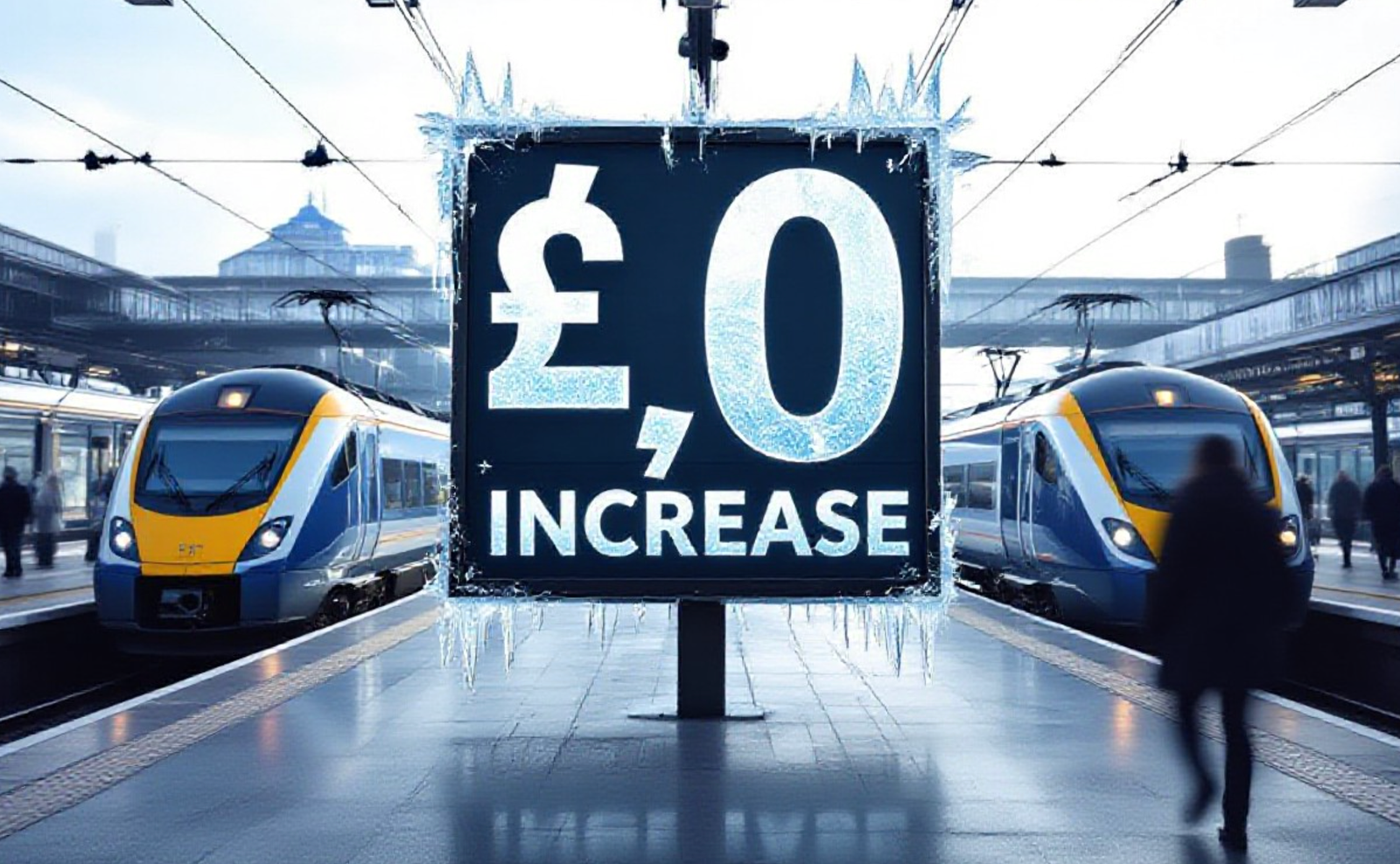
The fare freeze covers every ScotRail ticket type without exception. Season tickets, Flexipass options, and standard single or return journeys will all maintain current pricing through the next 12 months.
John Swinney framed the announcement as part of Scotland’s broader strategy to tackle rising living costs. “Freezing rail fares is an important way for us to keep people’s costs down and keep more money in their pockets,” he stated during the Edinburgh unveiling.
The decision follows September’s elimination of peak rail fares, which had previously charged passengers premium rates for weekday travel before 09:15 and certain afternoon services between 16:42 and 18:30. That initial reform slashed some route prices by nearly half.
Major Routes See Dramatic Savings Under New Pricing Model
The financial impact on regular travelers has been substantial since peak pricing disappeared.
Edinburgh to Glasgow journeys now cost almost 50% less during former peak hours. The route, Scotland’s busiest rail corridor, previously penalized commuters traveling during standard working hours with significantly higher ticket prices.
Perth to Dundee passengers have experienced similar relief, with fares dropping by approximately one third on what were peak-time services. These reductions apply to Scotland’s most traveled routes, where the greatest number of commuters benefit from reformed pricing structures.
The combined effect of last year’s peak fare removal and the newly announced freeze means passengers face no price increases for consecutive years. For daily commuters, the savings compound quickly across hundreds of annual journeys.
Price Tag For Affordability Measures Reaches Tens Of Millions
The government estimates the peak fare elimination costs between £40 million and £45 million annually in foregone revenue. ScotRail, which operates under government ownership, absorbs this financial impact as part of broader public policy objectives.
The fare freeze adds additional fiscal pressure to an already subsidized operation. Transport analysts suggest the cumulative cost of both measures could exceed £50 million yearly when accounting for inflation-adjusted revenue losses.
Key financial elements include:
- Annual cost of peak fare removal: £40-45 million
- Fare freeze preventing inflation-linked increases: Additional millions in foregone revenue
- Total passenger savings: Hundreds of pounds per regular commuter annually
- Government subsidy to ScotRail: Increased to cover policy costs
Critics of rail privatization point to Scotland’s model as evidence that public ownership enables fare policies prioritizing accessibility over profit maximization.
Watchdog Ruling Clouds Marketing Claims
Despite fare reductions, ScotRail faced regulatory scrutiny over how it communicated pricing to customers.
The Advertising Standards Authority ordered ScotRail to withdraw claims of offering the “cheapest tickets” after finding insufficient evidence. A complaint from a transport campaigner triggered the investigation, which concluded the government-owned operator could not substantiate its marketing language.
ScotRail subsequently revised its website messaging to describe fares as offering “great value for money” rather than making absolute price comparisons. The ruling highlighted tensions between political messaging around fare reductions and advertising standards requirements for factual accuracy.
The watchdog decision created awkward timing as government officials promoted affordability initiatives. While fares have indeed decreased on many routes, the inability to prove cheapest-in-market status suggests competitive positioning remains complex across Britain’s fragmented rail network.
Commuters Lock In Savings As Inflation Concerns Persist
The fare freeze arrives as UK inflation moderates but household budgets remain stretched from years of price increases across essential goods and services. Transport costs represent significant monthly expenses for working families, particularly those in areas with limited public transit alternatives.
Transport Scotland data shows rail usage has recovered substantially since pandemic lows, though patterns have shifted with increased remote work reducing traditional weekday peak demand. The removal of peak pricing arguably aligns fare structures with changing travel behaviors rather than purely offering discounts.
ScotRail passengers now enjoy pricing stability through at least the next year, with the government signaling cost of living relief remains a policy priority. Whether fare freezes become permanent or represent temporary interventions depends on future budget considerations and ridership trends as Scotland’s rail network adapts to post-pandemic realities.
As train doors close on another fare increase cycle, Scottish commuters can budget with certainty while the government absorbs tens of millions in costs to keep transportation affordable. Share your thoughts on how fare policies impact your travel decisions and tag your experiences on social media as transport affordability debates continue across the UK.