

Scotland’s health service is set to transform with the New University Hospital Monklands, billed as the nation’s first fully digital and net zero carbon hospital. Plans for this innovative facility in Lanarkshire have advanced to the Scottish Government for final approval, paving the way for construction to begin next year and an opening targeted for 2031.
Project Overview and Timeline
The New University Hospital Monklands will replace the existing hospital in Airdrie, bringing specialist services like cancer care, infectious disease treatment, and renal medicine under one roof. This move aims to create a modern hub that boosts patient outcomes through smart design and green practices.
NHS Lanarkshire board members recently approved the full business case, calling it a revolutionary step for regional healthcare. The hospital will sit on farmland at Wester Moffat, blending into green surroundings to support faster patient recovery. With a focus on sustainability, the project aligns with NHS Scotland’s goal to reach net zero emissions by 2040.
Construction is expected to kick off in 2026, following government sign off. This timeline reflects years of planning, including public consultations and design tweaks to ensure the building meets high environmental standards.
Cutting Edge Digital Features
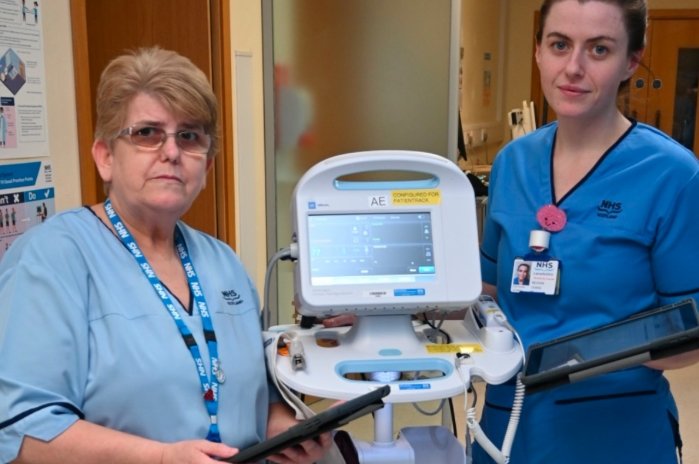
At its core, the hospital will rely on advanced technology to streamline care. Real time patient monitoring systems will allow staff to track vital signs instantly, reducing response times in emergencies.
Designers have integrated operational command centers that use data analytics for better resource management. This setup promises to cut wait times and improve efficiency, making the hospital a model for future NHS sites.
One standout feature is the intuitive layout, which minimizes walking distances for staff and patients. Early trials of similar digital tools, like patient observation software, have already shown success in other Scottish hospitals, proving these innovations work in real settings.
The push for digital health ties into broader trends, such as AI applications in lung cancer detection, which are gaining traction across the UK to tackle major health challenges.
Sustainability and Net Zero Goals
This hospital stands out as Scotland’s first major acute facility built to net zero standards for both construction and daily operations. Builders plan to use low carbon materials and energy efficient systems to slash emissions.
The site design maximizes natural elements, with green spaces around the building to aid mental health and recovery. This approach echoes recent NHS findings that outdoor areas save millions annually by promoting wellbeing.
NHS Scotland’s wider net zero push includes research funding for greener practices, like the recent boost for sustainable innovations. By 2040, the entire service aims to eliminate its carbon footprint, and this project sets a strong example.
Here’s a quick look at key sustainability targets:
- Net zero construction: Achieved through eco friendly materials and processes.
- Operational net zero: Powered by renewable energy sources.
- Green integration: Surrounding landscapes designed for therapeutic benefits.
Innovation Boost for Healthcare
Experts see the hospital as a launchpad for new ideas in Scottish healthcare. It will foster collaborations between NHS teams, tech firms, and innovators to develop tools that make services more agile.
For instance, the facility could test emerging treatments, such as new heart care methods now rolling out in Scotland. This aligns with calls for expanded specialist care in areas like Huntington’s disease, showing how innovation can address specific needs.
Robert Rea from a health innovation group highlighted the potential for bedding in ambitious ideas. The hospital’s setup encourages a patient centered approach, drawing on expertise to inspire efficiency across the board.
| Aspect | Details | Expected Impact |
|---|---|---|
| Digital Systems | Real time monitoring and AI integration | Faster diagnoses and reduced errors |
| Sustainability | Net zero design with green spaces | Lower emissions and better patient recovery |
| Specialist Services | Cancer, renal, and infectious disease units | Centralized care for Lanarkshire residents |
| Timeline | Construction 2026, opening 2031 | Modernized healthcare by early 2030s |
Economic and Community Benefits
The project carries a hefty price tag, estimated at around 700 million pounds, but backers argue it will deliver long term savings through efficiency gains. It will create jobs during construction and operation, boosting the local economy in Airdrie.
Community leaders praise the inclusive planning process, which involved residents in shaping the hospital’s features. This ensures the facility meets real needs, from accessible parking to family friendly spaces.
Looking ahead, similar projects could emerge elsewhere in the UK, as health systems grapple with aging infrastructure and climate goals. Recent NHS savings from outdoor initiatives, totaling 82 million pounds yearly, underscore the practical value of such investments.
Challenges and Future Outlook
No major project is without hurdles. Budget constraints have stalled other NHS builds, but this one has moved forward thanks to strong local support. Ensuring the digital systems are secure and user friendly will be key to success.
As Scotland pushes for a healthier, greener future, this hospital could inspire global models. It ties into ongoing efforts like collaborative procurement and AI driven care, positioning the nation as a leader in innovative health services.
What do you think about this leap in hospital design? Share your thoughts in the comments and spread the word to keep the conversation going.