
A controversial decision to greenlight Scotland’s largest salmon farm has sparked fierce debate between industry advocates and environmental groups. Shetland Islands Council approved the £8 million redevelopment just 18 hours ago, setting the stage for a facility that could hold 6,000 tonnes of salmon in the waters off Yell Sound.
The approval comes despite warnings from wildlife campaigners who fear devastating impacts on local ecosystems and wild fish populations.
Council Backs Expansion Despite Environmental Concerns
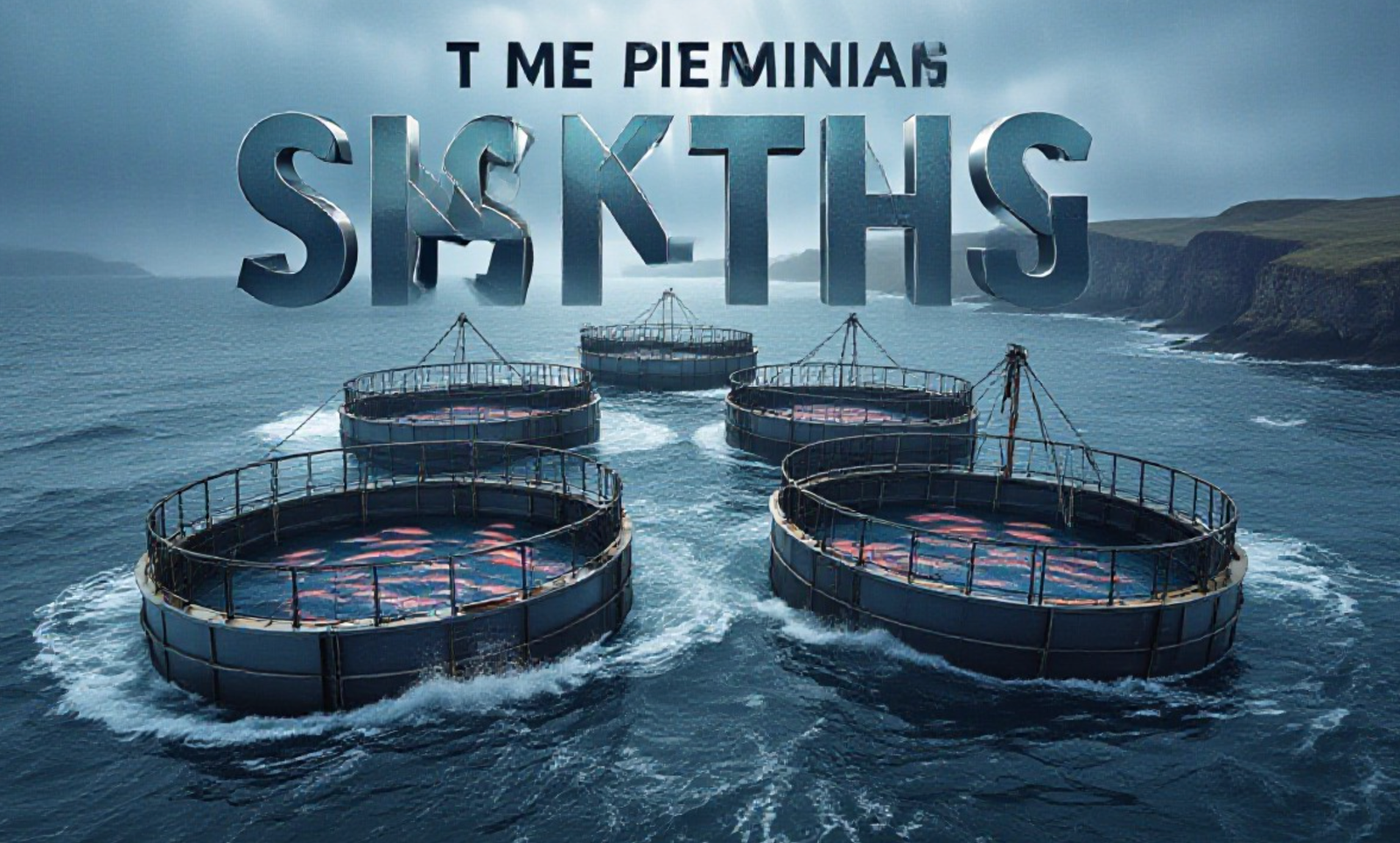
Scottish Sea Farms secured permission to transform its existing sites in Yell Sound into a single massive operation called Fish Holm. The project will replace current infrastructure with 12 new circular pens, each measuring 520 feet in circumference.
The biomass capacity will triple from roughly 2,000 tonnes to 6,000 tonnes, making it the largest salmon farming operation in Scotland. The expansion consolidates multiple smaller sites into one industrial-scale facility positioned in deeper, higher-energy waters.
Shetland Islands Council attached strict conditions to the approval. Work must begin within three years, and developers must conduct moorings surveys to identify and protect horse mussel populations in the area. NatureScot initially objected to the plans, citing potential harm to bird species in the region.
The regulatory body now requires Scottish Sea Farms to maintain detailed records of all wildlife entanglements and entrapments at the site.
Industry Celebrates Job Security and Export Growth
Salmon farming represents Britain’s largest food export sector. Scottish salmon production reached approximately 111,000 tonnes in 2025, generating substantial economic benefits for coastal communities.
Scottish Sea Farms defended the expansion as essential for long-term sustainability. A company spokesperson emphasized the strategic shift toward fewer, larger facilities in optimal locations.
“This decision relates to the expansion and consolidation of our existing farm and reflects our move towards fewer, larger sites in deeper, higher-energy waters that support fish health and welfare,” the spokesperson stated.
The company highlighted employment benefits for Shetland residents. Skilled local jobs will be retained and expanded as the facility grows, providing economic stability in a region heavily dependent on aquaculture.
Wildlife Groups Sound Alarm Over Sea Lice Threat
Environmental organizations expressed deep disappointment with the council’s decision. WildFish, an anti-salmon farming charity, raised urgent concerns about cumulative environmental damage.
Nick Underdown, WildFish Scotland director, warned that the massive biomass poses serious risks to wild sea trout populations. Sea lice infestations from salmon farms have been scientifically documented as threats to native fish species.
“Sea lice from salmon farms are widely recognised by government scientists as posing a risk to wild salmon and sea trout,” Underdown said. “Several nearby farms have recently recorded elevated lice levels and high mortalities.”
The organization challenged the effectiveness of current Scottish Environment Protection Agency controls designed to safeguard wild fish populations. Critics argue that existing monitoring systems have failed to prevent ecological damage at other facilities.
Key environmental concerns include:
- Tripling of biomass concentration in sensitive marine habitat
- Increased sea lice transmission to wild salmon and sea trout
- Cumulative impacts from multiple farms in the region
- Bird species disruption and potential entanglement risks
- Horse mussel bed disturbance during construction
Regulatory Bodies Clear Project Despite Initial Objections
The Scottish Environment Protection Agency did not file formal objections to the expansion. SEPA maintained that sea lice risks will be properly assessed and managed through existing protocols.
NatureScot withdrew its initial objection after negotiating conditions for wildlife monitoring and protection measures. No other official objections appeared in the planning record, smoothing the path for council approval.
The regulatory approach reflects Scotland’s balancing act between economic development and environmental protection. The salmon farming industry provides thousands of jobs across the Highlands and Islands while facing persistent criticism over ecological impacts.
Environmental groups question whether monitoring requirements will prove sufficient given the unprecedented scale of the Fish Holm facility. The 6,000-tonne capacity far exceeds typical Scottish salmon farms, creating what critics describe as an uncontrolled experiment in intensive aquaculture.
The approval of Scotland’s largest salmon farm marks a pivotal moment for the nation’s aquaculture industry. As construction preparations begin in Yell Sound, the facility will test whether industrial-scale fish farming can coexist with fragile marine ecosystems. The coming months will reveal whether regulatory safeguards can protect wild species while supporting economic growth in remote coastal communities.
What’s your take on this development? Should Scotland prioritize jobs and exports or environmental protection in marine areas? Share your thoughts in the comments below.