

South of Scotland Enterprise has invested nearly £1 million in The Carbon Removers, a local carbon capture company, to fuel its bold plan for £1 billion in annual revenues by 2035. This funding, announced on January 7, 2026, aims to help the firm expand operations across the UK and Europe while tackling climate change through innovative carbon removal technology.
Company Roots and Innovation
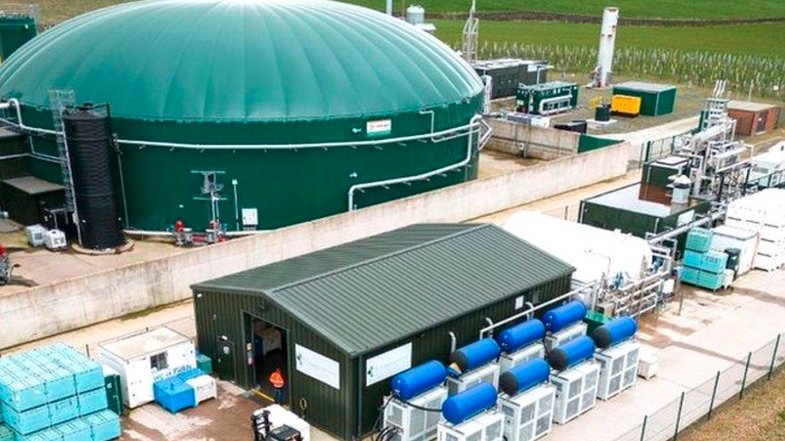
The Carbon Removers, founded by brothers Ed and Richard Nimmons, started in a small village near Dumfries, Scotland. The company focuses on capturing carbon dioxide from sources like biogas plants and whisky distilleries.
It holds a unique license to store carbon permanently in Denmark and runs the first such facility in the European Union. This positions the firm as a leader in carbon sequestration, a key tool for reducing greenhouse gases.
Recent data shows global carbon capture capacity needs to grow rapidly to meet net zero goals. By 2030, experts predict the industry could remove billions of tonnes of CO2 each year worldwide.
The firm’s technology builds on skills from Scotland’s oil and gas sector, creating new jobs in green energy.
Details of the Major Investment
South of Scotland Enterprise provided the near £1 million as an early stage loan that will convert to equity. This move kickstarts a larger fundraising effort to draw in private investors.
The agency sees this as a way to boost the region’s economy and support net zero transitions in agriculture, bioenergy, and whisky production.
According to recent reports, this investment aligns with Scotland’s push for clean energy. In 2025, the UK government committed over £20 billion to similar projects in other areas like Teesside.
The funding comes at a time when carbon capture is gaining traction. Global investments in the sector reached $6 billion last year, up from $4 billion in 2024.
This support highlights how public funds can spark private growth in emerging tech fields.
Key facts about the investment:
| Aspect | Details |
|---|---|
| Amount | Nearly £1 million |
| Provider | South of Scotland Enterprise |
| Type | Convertible loan to equity |
| Purpose | Expand carbon removal projects |
| Timeline | Announced January 7, 2026 |
Ambitious Growth Targets Ahead
The Carbon Removers aims to hit £1 billion in yearly revenues by 2035. To get there, the company plans to scale up and remove one million tonnes of CO2 each year by 2030.
Expansion includes new sites across Europe, building on its Danish storage operations. The firm will capture emissions from more industries, turning waste into stored carbon.
This growth ties into broader trends. Scotland met its climate targets for 2025, cutting emissions by 50 percent since 1990, thanks to renewable energy and carbon tech.
Logical steps for success include partnering with bioenergy firms and whisky producers, which are major emitters in the region.
Experts note that achieving these goals requires strong policy support and tech advances, similar to how wind power grew in Scotland over the past decade.
Regional and National Impact
This investment strengthens the South of Scotland as a hub for green innovation. It could create high skill jobs and attract more businesses to rural areas.
The region, known for its natural resources, positions itself as Scotland’s Natural Capital Innovation Zone. This draws responsible investments that benefit local communities.
On a national level, Deputy First Minister Kate Forbes stressed carbon capture’s role in sustaining jobs from traditional energy sectors. She highlighted its importance for hard to decarbonize industries.
Recent events, like the UK’s 2026 clean energy summit, show growing focus on such tech to reach net zero by 2050.
Communities in Dumfries and nearby areas stand to gain from economic boosts, including new training programs in green tech.
Expert Views and Future Outlook
Leaders from The Carbon Removers expressed pride in their South of Scotland base. Co founder Richard Nimmons noted the deepened ties with the enterprise agency.
Agency chair Russel Griggs pointed to the company’s past successes, like aiding vaccine rollouts during the pandemic, as proof of rural innovation potential.
Looking ahead, the firm eyes international markets. With climate talks at COP31 in 2026 emphasizing carbon removal, this positions Scotland as a global player.
Analysts predict the carbon capture market could reach $100 billion by 2030, driven by policies in Europe and the US.
Challenges remain, such as scaling tech and ensuring storage safety, but early movers like this firm lead the way.
Benefits of carbon capture expansion:
- Reduces emissions from key industries
- Creates thousands of green jobs
- Supports net zero goals by 2050
- Boosts rural economies through innovation
Challenges and Broader Context
While promising, carbon capture faces hurdles like high costs and tech reliability. Critics argue it’s not a full solution without cuts in fossil fuel use.
In Scotland, debates continue over balancing green tech with land use, as seen in recent wind farm expansions that sparked environmental concerns.
Yet, success stories from similar projects in Norway show potential. Scotland’s approach integrates local needs with global climate action.
This investment reflects a shift toward practical climate solutions, tying into 2026’s focus on sustainable growth post economic recovery.
What do you think about this push for carbon capture? Share your thoughts in the comments and spread the word to keep the conversation going.