

Thistle Wind Partners has submitted a key planning application for the onshore parts of its 1 GW Bowdun offshore wind farm off Scotland’s Aberdeenshire coast. This move, filed on December 11, 2025, with Aberdeenshire Council, covers landfall points, underground cables, and a substation to connect the project to the national grid, marking a big step toward clean energy goals in the region.
The submission focuses on essential infrastructure that will link the offshore turbines to the power network. With offshore consents expected in 2026, the project aims to boost Scotland’s renewable energy output while creating jobs and investments.
Project Details and Location
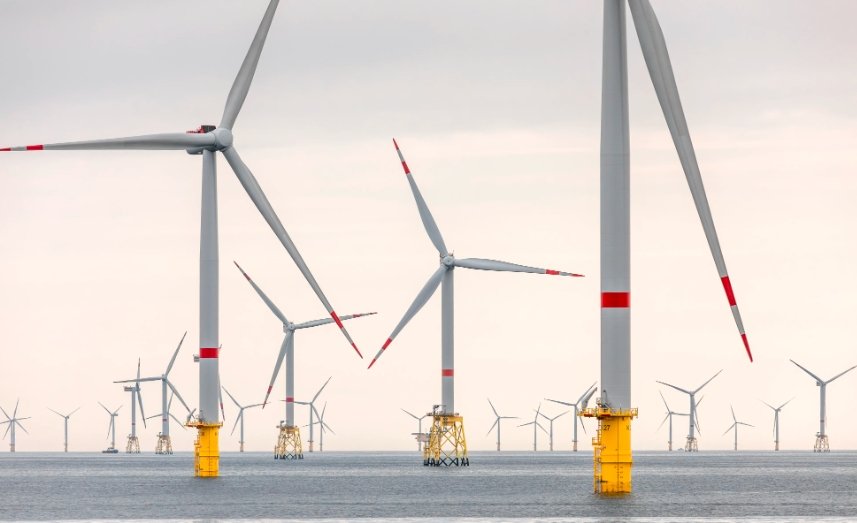
Bowdun offshore wind farm sits about 44 kilometers off Stonehaven in northeast Scotland. It plans to use fixed foundation turbines, likely jacket types, to harness strong North Sea winds.
This 1 GW setup could power around 1.2 million homes each year once online. Developers chose this spot after the 2022 ScotWind leasing round, which opened doors for major renewable projects across Scottish waters.
The onshore application includes plans for cables running from the coast to a new substation. This setup will tie into a larger grid connection, ensuring smooth energy flow to homes and businesses.
Ownership Changes and Partners
Thistle Wind Partners started as a group with French firm Qair, Belgium’s DEME Concessions, and Aspiravi International. Last month, Qair stepped out during a reshuffle tied to another ScotWind project called Ayre.
Now, DEME Concessions holds 70 percent, and Aspiravi owns 30 percent. This Belgian-led team brings deep experience in offshore wind, from building to operations.
Their focus remains on delivering reliable green power. The shift in ownership streamlines decisions as the project moves forward.
Experts say such partnerships strengthen Scotland’s role in global renewables. They draw on international skills to tackle North Sea challenges like harsh weather and deep waters.
Construction Timeline and Next Steps
Work on Bowdun could start in 2031, with full operations by the mid-2030s. The onshore approval is crucial before offshore building begins.
Offshore consents, set for submission next year, will cover turbine installations and marine impacts. Developers must meet strict environmental rules to protect local wildlife.
Recent surveys, including vessel traffic studies, help refine plans. These ensure safe navigation around the site.
- Key milestones include environmental assessments in 2026.
- Grid connection tests planned for 2028.
- First power generation targeted for 2033.
This timeline aligns with Scotland’s net-zero goals by 2045. Delays could arise from supply chain issues, but partners aim to stay on track.
Economic Benefits and Investments
Bowdun promises over 1 billion pounds in supply chain spending. This could create thousands of jobs in Aberdeenshire and beyond, from manufacturing to maintenance.
Local firms, especially in oil and gas, might shift to renewables. A recent initiative targets these companies to diversify, unlocking new opportunities.
The project fits into broader UK efforts, like the 13 million pounds funding boost for offshore wind supply chains announced this week. Welsh projects gained, but Scottish ones stand to benefit too.
| Aspect | Details |
|---|---|
| Total Investment | Over 1 billion GBP |
| Job Creation | Thousands in construction and operations |
| Supply Chain Focus | Local oil and gas firms transitioning to wind |
| Economic Boost | Supports net-zero economy in northeast Scotland |
These investments highlight wind power’s role in economic recovery. Communities near Stonehaven could see improved infrastructure and training programs.
Environmental Impact and Broader Trends
Bowdun will cut carbon emissions by replacing fossil fuels with clean wind energy. It supports Scotland’s push for 20 GW of offshore wind by 2030.
Recent records show UK wind power hitting new highs, powering over 23 million homes last week. Scotland leads with projects like Neart na Gaoithe, which won green energy awards this month.
Challenges include protecting marine life and minimizing visual impacts. Developers plan careful monitoring to address concerns.
This farm joins others in ScotWind, like Muir Mhor, which got onshore approval earlier this year. Together, they build a stronger renewable grid.
Challenges and Future Outlook
Not all projects sail smoothly. Some face opposition over pylons and high costs, as seen in social media debates about transmission lines in eastern Scotland.
Bowdun aims to avoid such issues by engaging communities early. Public consultations have shaped the onshore plans.
Looking ahead, floating wind tech could expand options, as tested in nearby schemes like Pentland, which secured major funding recently.
Success here might inspire more investments, helping the UK meet climate targets amid rising energy demands.
What do you think about Scotland’s offshore wind push? Share your views in the comments and spread the word to keep the conversation going.