
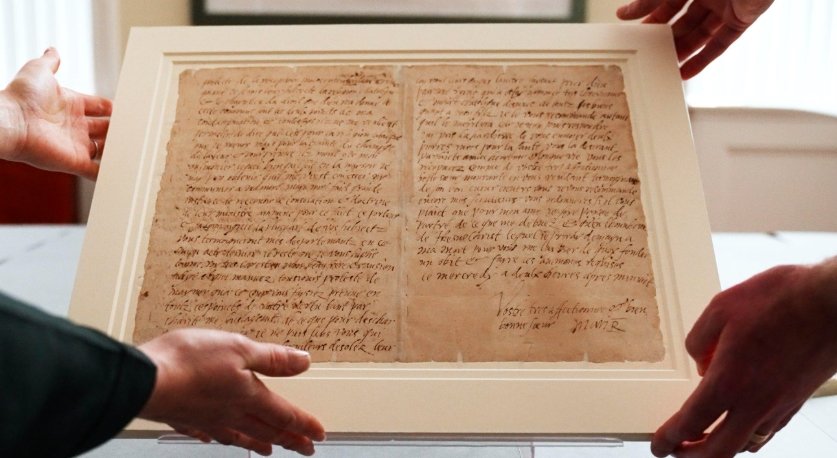
A historic letter written by Mary Queen of Scots just hours before her execution in 1587 will soon go on public display at Perth Museum in Scotland. This rare artifact, unseen by the public for nearly a decade, offers a glimpse into the final thoughts of the doomed queen and is scheduled to appear starting January 23, 2026, for a three-month run.
Historical Significance of the Letter
Mary Queen of Scots penned this emotional four-page letter in French from her prison cell at Fotheringhay Castle in Northamptonshire, England. She had been held captive for 19 years by her cousin, Queen Elizabeth I, amid political turmoil and religious conflicts.
In the letter, Mary addresses her brother-in-law, King Henri III of France, declaring her innocence and scorning her impending death. She writes about facing execution like a criminal at eight in the morning, while asserting her claim to the English throne.
Experts note that the document highlights Mary’s Catholic faith as a key factor in her persecution. It ends with a plea to pay her servants’ wages and a heartfelt sign-off as a loving sister.
The letter’s raw emotion continues to captivate historians and the public, shedding light on a pivotal moment in British history.
Details of the Upcoming Exhibition
Perth Museum plans to showcase the letter in a secure, framed display to protect its fragile condition. Visitors can expect guided tours and educational panels explaining its context.
The exhibition ties into broader efforts to preserve Scottish heritage, following similar displays of Mary’s artifacts like the silver casket acquired by National Museums Scotland in 2022.
Museum officials aim to draw crowds similar to the 2017 showing at the National Library of Scotland in Edinburgh, where long lines formed along George IV Bridge.
This 2026 event marks the first prolonged public viewing in a generation, allowing more people to connect with this piece of history.
To help plan your visit, here are key details:
- Start Date: January 23, 2026
- Duration: Three months
- Location: Perth Museum, Scotland
- Admission: Standard museum fees apply; check for special tickets
Mary’s Life and Tragic End
Born in 1542, Mary became queen of Scotland as an infant and later queen consort of France. Her life was marked by marriages, scandals, and power struggles that led to her abdication in 1567.
She sought refuge in England, only to be imprisoned by Elizabeth I over fears of plots against the throne. Mary’s Catholic background clashed with Protestant England, fueling suspicions.
On February 8, 1587, at age 44, she was beheaded for treason. Witnesses described her calm demeanor, uttering final words in Latin before the axe fell.
Recent studies, including a 2021 analysis of her letter-folding technique, reveal how she “locked” messages for security, adding layers to her story.
Her execution intensified tensions between England and Catholic Europe, influencing events like the Spanish Armada in 1588.
Public Reaction and Cultural Impact
News of the display has sparked excitement on social media, with history enthusiasts sharing posts about Mary’s resilience. Fans of shows like the 2018 film “Mary Queen of Scots” are eager to see the real artifact.
This event aligns with growing interest in female figures in history, similar to recent exhibitions on figures like Queen Elizabeth II’s sealed 1986 letter, set for opening in 2085.
Cultural experts predict high attendance, boosting tourism in Perth. Local businesses prepare for visitors drawn to Scotland’s rich past.
The display also prompts discussions on themes of injustice and faith, resonating in today’s world of political divides.
| Aspect | Details |
|---|---|
| Letter Date | February 8, 1587 |
| Recipient | King Henri III of France |
| Key Themes | Innocence, faith, servant wages |
| Execution Site | Fotheringhay Castle |
| Display History | Last shown in 2017 at National Library of Scotland |
Why This Matters Today
In an era of digital archives, seeing original documents like this letter brings history alive. It reminds us of the human side of royal figures, often lost in textbooks.
For educators, it serves as a tool to teach about Tudor England and the Reformation. Students can explore how personal writings reveal broader societal shifts.
The exhibition encourages reflection on enduring issues like religious tolerance and women’s roles in power.
As museums adapt to modern audiences, this display includes interactive elements to engage younger visitors.
Share your thoughts on Mary’s story or plan a visit to Perth Museum. What draws you to historical artifacts like this? Comment below and spread the word to fellow history buffs.