

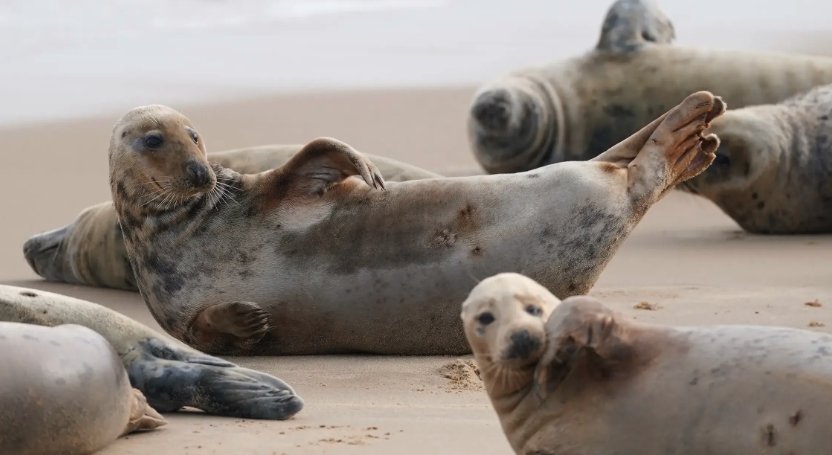
In the coastal town of Newburgh Beach in Aberdeenshire, Scotland, tourists flock to witness thousands of seals basking on golden sands, turning the area into a hotspot for wildlife lovers. Now, advanced AI technology is stepping in to monitor seal populations and ensure that growing visitor numbers do not harm these marine animals, promoting sustainable tourism as of early 2026.
The Growing Appeal of Seal Watching
Seal tourism has surged in Scotland over recent years, drawing visitors from around the world to places like Newburgh Beach at the Ythan Estuary. This spot boasts one of Britain’s largest seal colonies, with numbers peaking at over 3,000 animals during certain seasons.
What started as a quiet natural wonder has become a major draw, especially as people seek cooler destinations amid rising global temperatures. Recent trends show Scotland benefiting from “coolcations,” where travelers escape hotter Mediterranean spots for milder climates and unique wildlife experiences.
Local economies gain from this influx, with guided tours and eco-friendly activities boosting jobs in hospitality and conservation. Yet, experts warn that without careful management, increased foot traffic could stress seal habitats.
Visitors often share stories on social media, highlighting the thrill of spotting seals lounging or swimming in the estuary. This online buzz has amplified interest, making Newburgh a must-visit for nature enthusiasts.
How AI Revolutionizes Seal Monitoring
Marine biologist Claire Stainfield leads efforts to study tourist impacts using drone footage and AI tools. Her work at Newburgh Beach shows how technology cuts data processing from hours to seconds, allowing quick insights into seal behavior.
Drones capture aerial views of seals on the beach, and AI algorithms count them accurately while noting any disturbances. This method helps researchers track population changes and assess if visitors affect resting or breeding patterns.
Stainfield’s research, ongoing into 2026, reveals minimal disruption when people stick to designated areas. AI not only speeds up analysis but also enables broader applications, like monitoring other wildlife sites across Scotland.
Other regions, such as Norfolk in England, have piloted similar AI-drone combos for seal surveys, yielding positive results in conservation planning. In Scotland, these tools align with national efforts to protect marine life amid climate challenges.
Key Regulations for Visitors
To keep seals safe, strict rules govern the area. The Ythan Estuary has been a protected seal haul-out site since 2017, banning any actions that disturb the animals.
- Stay on the south side of the beach to avoid stressing seals.
- No recreational drones allowed; only permitted for approved research.
- Report any violations to local authorities for quick response.
These guidelines ensure seals can rest and breed without interference. Breaking them is against the law, with fines possible for offenders.
Education plays a big role too. Signs and guides inform tourists about proper behavior, fostering respect for the ecosystem.
Impacts on Seal Populations
Seal numbers at Newburgh have grown dramatically from just 10 to 20 animals five decades ago to thousands today. This rise reflects successful conservation but also heightens vulnerability to human activity.
Studies indicate that seals are sensitive to noise and movement, sometimes fleeing into the water if approached too closely. AI data helps quantify these effects, showing lower stress levels when tourists follow paths.
Broader threats include climate change, which melts Arctic ice and affects food sources. Innovative solutions, like floating platforms in Norway, inspire similar ideas for Scottish waters.
Conservation groups push for marine protected areas to safeguard habitats. In Scotland, ongoing surveys during seal moulting periods provide vital data for policy makers.
Balancing tourism with protection remains key. If managed well, visitor fees could fund more research and habitat restoration.
Future of Sustainable Tourism
Looking ahead, AI could expand to other Scottish sites, aiding in real-time monitoring of marine mammals. This tech promises to make wildlife tourism more eco-friendly by providing data-driven decisions.
Experts predict a tourism boom in 2026, with Scotland topping lists for nature-based trips. Integrating AI ensures growth does not come at the expense of biodiversity.
| Aspect | Current Status | Future Potential |
|---|---|---|
| Seal Population | Over 3,000 at peak | Stable with monitoring |
| Tourist Numbers | Rising due to trends | Managed growth via AI insights |
| AI Processing Time | Seconds vs. hours | Applied to more species |
| Conservation Impact | Minimal disturbance | Enhanced protections |
This table highlights how AI supports long-term sustainability. As research evolves, it could influence global wildlife management strategies.
Share your thoughts on sustainable tourism in the comments below, or spread the word by sharing this article with fellow nature lovers.