
 Ishan Crawford
 The scorching sun of Pune might seem a world away from the misty, grey lochs of the Scottish Highlands, but a handshake in Maharashtra this week has just bridged that gap. As diplomats in London and New Delhi put the finishing touches on the historic India-UK Free Trade Agreement, a quiet yet colossal shift is happening on the factory floor. A high-powered delegation from Salmon Scotland has landed in India, not just to talk numbers, but to future-proof the equipment that keeps Britain’s largest food export safe in treacherous waters.
A Strategic Handshake in Pune
The air inside Garware Technical Fibres Ltd.’s (GTFL) sprawling facility in Pune was thick with anticipation this Friday. Shujaul Rehman, the CEO of the Indian technical textile giant, welcomed Tavish Scott, the chief of Salmon Scotland. This was not merely a courtesy call. It was a calculated move to align the supply chain of Scotland’s £828 million salmon industry with India’s precision engineering.
For decades, Scottish salmon farmers have battled furious Atlantic storms and clever predators like seals. Their first line of defense is the net. GTFL has quietly become the silent guardian of these pens, supplying high-performance aquaculture cages that withstand nature’s brutality. The visit marks a turning point where the relationship shifts from simple buyer-seller to strategic partners co-developing the next generation of “smart nets.”
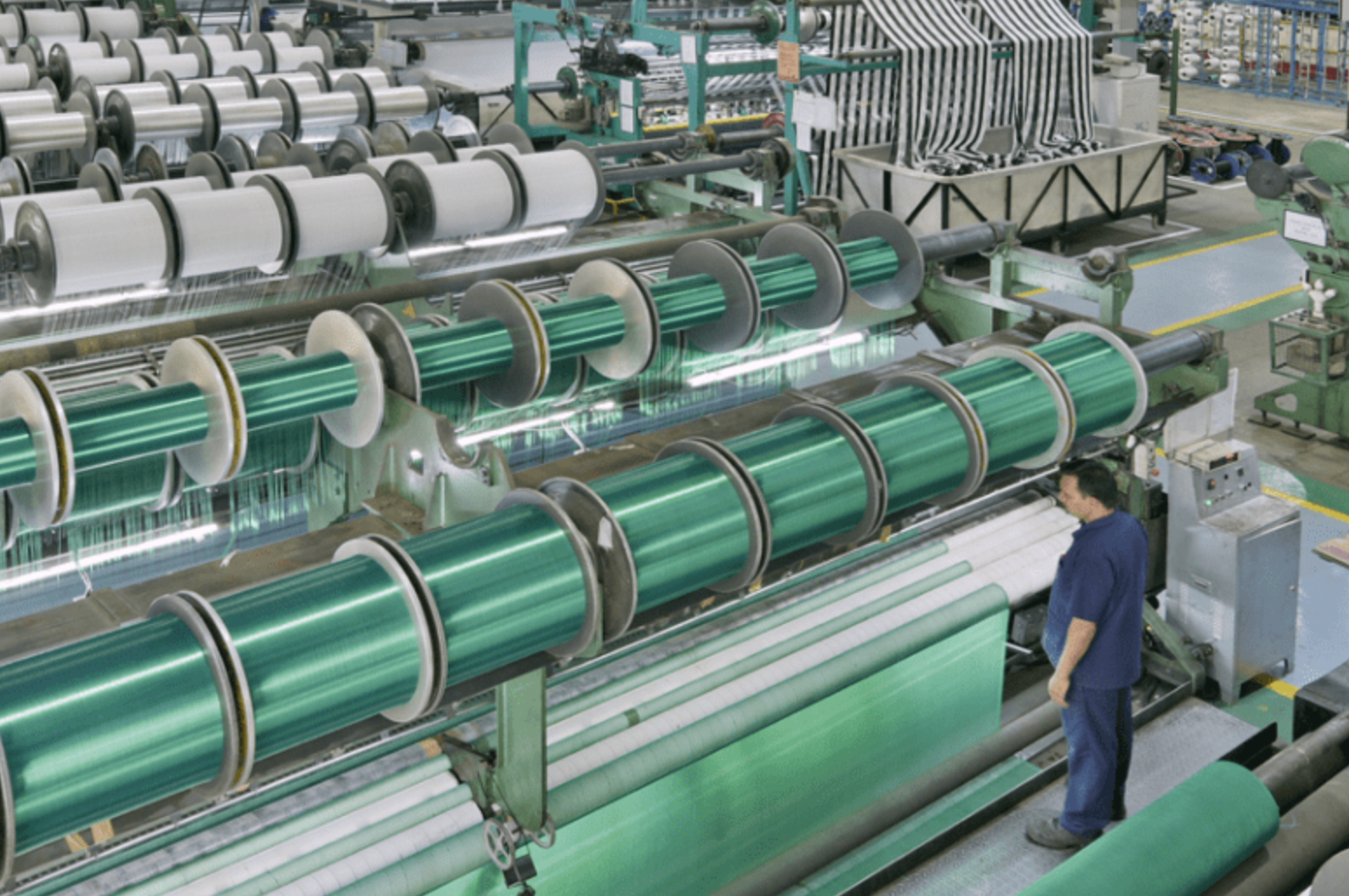
Rehman noted during the tour that this collaboration translates vague policy intent into hard economic reality. He emphasized that as political barriers fall, industrial bridges must rise. The delegation spent hours scrutinizing the production lines, witnessing how raw polymer is spun into ropes and nets capable of holding thousands of tonnes of fish while fighting off strong currents.
The Multi-Million Dollar Trade Gateway
This meeting happens against the electrifying backdrop of the impending Free Trade Agreement. For years, heavy tariffs of around 30 percent have acted like a dam, holding back Scottish salmon from flooding the Indian market. With the FTA poised to slash these duties, likely in early 2026, the floodgates are about to open.
India’s appetite for premium protein is skyrocketing. The urban middle class is traveling more, tasting global cuisines, and demanding high-quality seafood at home. Tavish Scott has been vocal about this potential, suggesting that the Indian market could soon be worth tens of millions to Scottish producers.
But you cannot export what you cannot harvest safely. This is where the synergy lies. To meet this new demand from India, Scottish farmers need to intensify production. That requires infrastructure that does not fail. By sourcing advanced netting solutions from India, the Scottish sector lowers its operational risks, ensuring they can fulfill the very orders that Indian consumers are starting to place. It is a perfect circular economy of trade: India provides the shield, and Scotland provides the food.
Sustainability: The New Currency
One of the most compelling aspects of this partnership is the shared obsession with sustainability. The modern consumer does not just want fish; they want guilt-free food. They want to know the net it was caught in did not strangle a turtle or choke a dolphin.
GTFL has read the room perfectly. The delegation was reportedly impressed by the factory’s green credentials. The Pune plant is a fortress of renewable energy, drawing 65 percent of its power from wind and solar sources. They have slashed water consumption by a quarter and have practically eliminated landfill waste from their operations.
For a Scottish industry under constant microscope from environmentalists, these metrics are gold. When Salmon Scotland sells its product to high-end retailers in Paris or New York, they can now claim that even the nets used to farm the fish are manufactured in facilities with verified low-carbon footprints. This “green thread” running from Pune to the Highlands adds immense brand value. It turns a piece of plastic equipment into a story of environmental stewardship.
Engineering Against Predators and Storms
The technical discussions during the visit went far beyond spreadsheets. The real enemy of a salmon farmer is the grey seal. These intelligent predators have learned to push their snouts against traditional nylon nets, stressing the fish or even breaching the pens.
GTFL has responded with rigid High Density Polyethylene (HDPE) technology. Unlike the soft nylon of the past, these nets are stiff and tough. They hold their shape in high-energy tidal sites, maintaining oxygen flow for the fish while acting as an impenetrable wall against predators.
The delegation and GTFL engineers brainstormed on “lifecycle planning.” This involves predicting exactly when a net will fail before it actually does. By using data from the rough Scottish seas, Indian engineers can tweak the polymer capability in Pune, creating a custom armor for specific farming sites. This level of technical intimacy is rare and shows that both sides are in this for the long haul.
The Road Ahead
As the delegation heads back to the cool winds of Scotland, the message is clear. The India-UK FTA is not just about politicians signing papers in gilded rooms. It is about factory workers in Pune weaving the nets that will feed families in London, and Scottish farmers growing the food that will appear on plates in Mumbai.
This partnership is a microcosm of the modern global economy. It is built on mutual need, shared values of sustainability, and the undeniable logic that we are stronger together.
 Windows 11 KB5095093 Lands With Point-in-Time Restore and 35-Day Pause
  Meta Cuts Smart Glasses to $299 to Outflank Snap and Apple
  Messi Leads the 2026 World Cup Golden Boot Race After Two Matches
  Australia March On as Athapaththu Ton Lights Up T20 World Cup
  Galaxy Z Fold 8 Leak Reveals Colors, Storage, and a New Ultra Variant
  Ronaldo’s Six-World-Cup Record Leads a Matchday Full of Milestones