
 Axel Piper
 The mighty Titan Crane at Clydebank, once the pride of the Clyde and a top tourist draw, has stood silent and closed to the public for six years. Now fresh council documents reveal no money and no plan to bring it back.
These four surviving giants, Finnieston, Stobcross, Clydebank Titan and the huge Inchgreen crane at Greenock, are the last witnesses to the days when Scotland built a third of the world’s ships. Today every one of them is either mothballed, decaying or under threat.
Why the Titan Closed in the First Place
West Dunbartonshire Council shut the 150-ft tall landmark in 2018 after routine inspections found serious corrosion in the lift shaft and walkway steelwork.
Repair costs were first quoted at £3.8 million. By 2022 the figure had risen to £7 million because inflation and further decay had taken hold.
The council spent £400,000 on temporary scaffolding and weather-proofing just to stop the structure falling apart, but admitted this year that no funding partner has come forward and no reopening date exists.
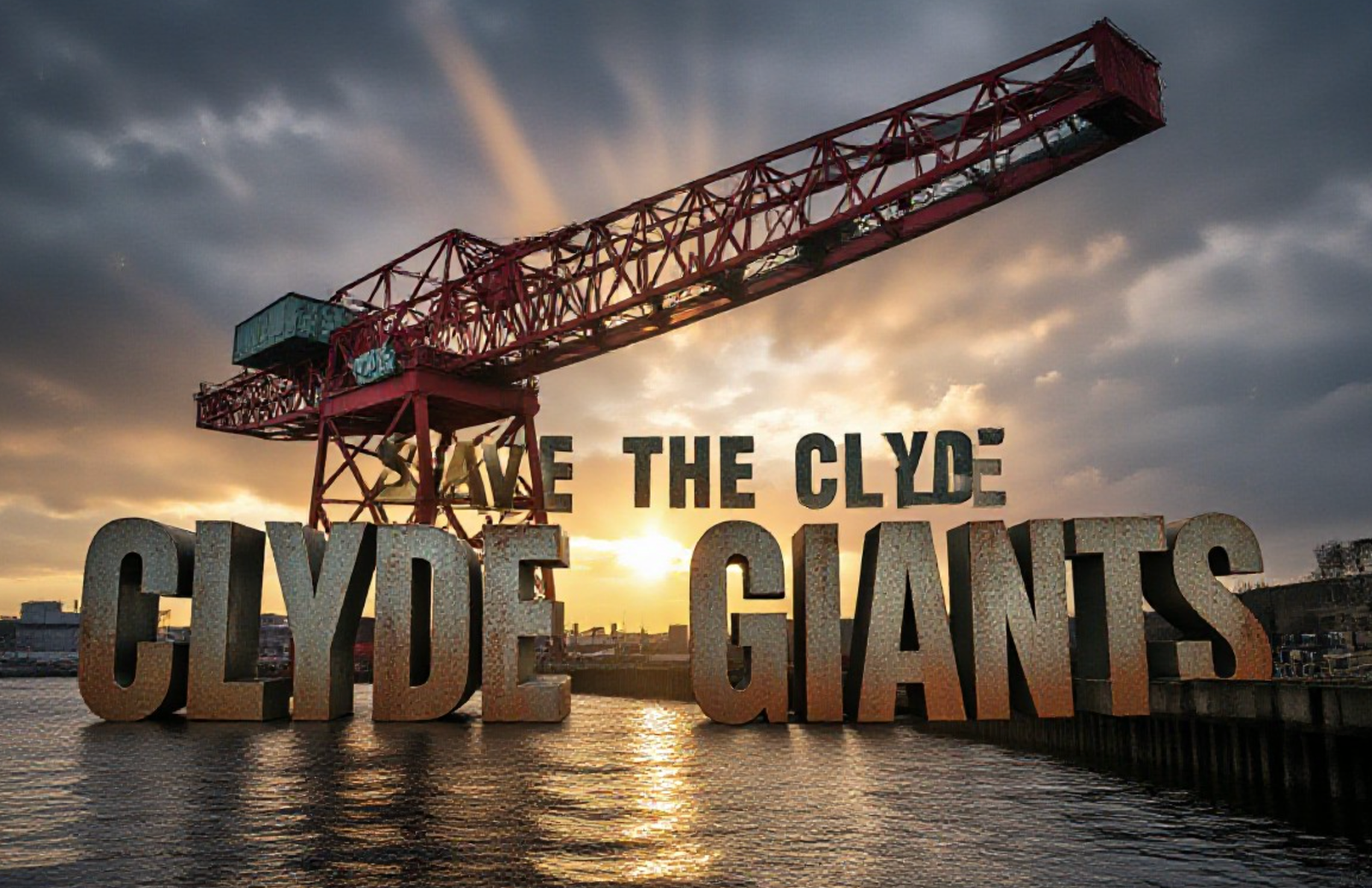
The Fight to Save Finnieston Crane
Glasgow’s famous Finnieston Crane, known to everyone as the “big red hammer”, is still Category A-listed and stands proud next to the SEC and BBC Scotland.
Yet it too has been out of action since 1990. Peel Ports, who own the site, say they want to keep it but refuse to pay for major repairs unless a commercial use is found.
A 2023 structural survey warned that without £5-6 million of work within five years the crane will reach a point where demolition becomes the only safe option.
Local campaigners launched the #SaveTheFinniestonCranes petition last month and it has already passed 8,000 signatures.
Inchgreen Giant: Biggest of Them All
At Greenock, the 248-ton capacity Inchgreen crane built in 1973 is actually the largest of the four and the last one still capable of heavy lifting.
Peel Ports again own it. They have repeatedly offered it for sale or long-term lease since 2017, but no shipyard or offshore wind firm has taken it on.
In August 2024 the company confirmed they will continue “minimum maintenance” only until a buyer is found. Campaigners fear that once the nearby Inchgreen dry dock is redeveloped for housing the crane will quietly disappear.
Can Scotland Still Save Its Giants?
Heritage bodies agree: all four cranes are of international importance.
Only around twenty giant cantilever cranes survive worldwide. Scotland has four of them within thirty miles of each other, an unmatched cluster.
Historic Environment Scotland says it is willing to give grant aid but only if local authorities or private partners take the lead and match funds.
Glasgow City Council has quietly budgeted £500,000 toward a new feasibility study for Finnieston in 2025/26. West Dunbartonshire Council says it is still “actively seeking partners” for the Titan.
One former shipyard worker told BBC Scotland this week: “These cranes are our Statue of Liberty. Lose them and you lose the soul of the Clyde.”
The clock is ticking louder than ever. Unless serious money and political will appear in the next two years, the generations who come after us will only ever see these giants in old photographs.
What do you think should happen to Scotland’s giant cranes? Drop your thoughts below and use #SaveTheClydeCranes if you’re sharing on social media, it’s trending right now.
 Scotland’s Facial Recognition Push Sparks Mask Ban Call
  Galaxy Z Flip 8 Hits $799 Only If Your Trade-In Qualifies
  If England Had Kept Water Public Like Scotland
  Samsung Smart Switch Now Moves Passwords and eSIM From iPhone
  Old Firm Spend Pulls Clear as Premiership Rivals Patch Squads
  Chinese Studios Quietly Seize the Gamescom Stage