
 Axel Piper
 Scottish Labour leader Anas Sarwar has performed a dramatic reversal, declaring Prime Minister Keir Starmer is now free to campaign in Scotland just 48 hours after demanding he quit. The sudden shift has stunned Westminster and Holyrood, exposing deep fractures inside Labour as the party fights for its political life ahead of the crucial May 2026 Holyrood election.
Sarwar’s climb-down came during a tense media grilling at the Scottish Parliament on Wednesday. The man who wants to be Scotland’s next first minister insisted Starmer and cabinet ministers can visit, provided they show how the UK government is “delivering for Scotland”.
This is a remarkable about-turn from the leader who told Starmer to “stay behind their doors” in London only last month and publicly called for his resignation on Monday.
What Sparked the Original Outburst
Sarwar’s fury erupted after a string of Westminster disasters that have hammered Labour’s poll ratings north of the border.
Voters remain furious over the winter fuel payment cuts, the two-child benefit cap refusal, and the perception that Starmer’s government has broken promise after promise. Scottish Labour sources say focus groups show deep anger toward the UK leadership, with many traditional Labour voters threatening to stay home or switch to SNP or Reform.
One Scottish Labour insider told reporters: “People are telling us they feel betrayed. They voted for change in July 2024 and got more Tory austerity with a red tie.”

The Rapid Reversal
Pressed repeatedly on whether he still wanted Starmer to resign, Sarwar refused to repeat his demand but stood by his original criticism.
“I stated my view, I stand by that view,” he said. “I welcome the fact there is now general acceptance that things have not been good enough, that there have been far too many mistakes and things have to change.”
The Scottish Labour leader then made his position crystal clear: “I am leading this campaign. My name is on the ballot paper. Scotland will choose between me and John Swinney.”
This deliberate distancing shows Sarwar’s strategy: present himself as the fresh, Scottish alternative while keeping just enough distance from Westminster’s toxic brand.
Downing Street Responds
Number 10 moved quickly to paper over the rift.
The Prime Minister’s official spokesman confirmed Starmer will campaign in Scotland and will do so “alongside Anas” because “he supports Anas to be first minister”.
Scotland Secretary Douglas Alexander, caught between loyalties as both a Starmer minister and co-chair of Scottish Labour’s campaign, urged unity while privately expressing frustration at the public row.
Why This Matters for Labour’s Survival
Multiple Labour sources now openly link Keir Starmer’s future directly to Anas Sarwar’s performance on 7 May 2026.
One senior Scottish Labour figure told The Guardian: “If Anas does well and becomes first minister, the prime minister might well survive. If he doesn’t, it makes the prime minister’s position much more difficult.”
The arithmetic is brutal.
Labour currently holds just 37 seats at Holyrood against SNP’s 63. Sarwar needs a historic swing to become first minister, probably requiring Labour to become the largest party and then strike a deal with Lib Dems or Greens.
Meanwhile, the same day sees Welsh Senedd elections (where Plaid Cymru are strong favourites) and English local elections where Reform UK could make devastating gains.
A poor night across all three nations would leave Starmer facing existential threat from his own MPs.
The View from Inside Scottish Labour
Most of the party’s 20 MSPs have rallied behind Sarwar’s original criticism of Starmer, but Scottish Labour MPs at Westminster have been notably silent or hostile.
One Scottish MP described Sarwar’s intervention as “incredibly high risk and pretty foolish”, warning it could damage the party’s chances rather than help them.
Another source said Sarwar received almost no public backing from UK ministers after his resignation demand, which forced the rapid reversal.
Yet others defend the Scottish leader, arguing voters respect politicians who speak truth to power and that pretending everything is fine in London would be electoral suicide in Scotland.
What Happens Next
Sarwar now walks a tightrope: he needs Starmer’s visits to unlock UK government spending announcements and policy wins for Scotland, but cannot afford to be photographed too often with a prime minister whose personal ratings are deep underwater.
The Scottish Labour campaign will emphasise Sarwar’s personal story, his Glasgow roots, and his pledge to govern differently from both SNP and Westminster Labour.
Whether voters buy this “Scottish Labour, not Westminster Labour” message will decide not just who becomes first minister, but quite possibly whether Keir Starmer remains Prime Minister by the summer of 2026.
This extraordinary public rift, followed by equally public reconciliation, reveals a Labour Party still struggling to reconcile its Westminster triumph of 2024 with the harsh reality of governing in 2025 and 2026.
For Scottish voters facing another winter of austerity decisions made in London, the question remains simple yet devastating: why should they trust Labour again?
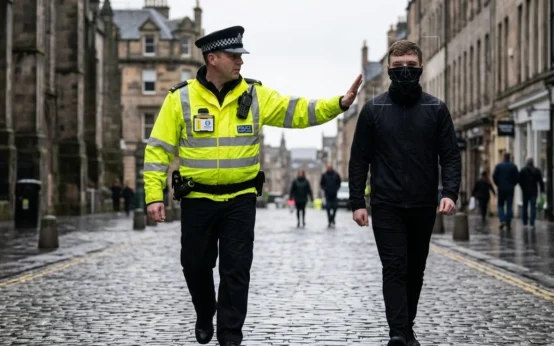 Scotland’s Facial Recognition Push Sparks Mask Ban Call
  Galaxy Z Flip 8 Hits $799 Only If Your Trade-In Qualifies
 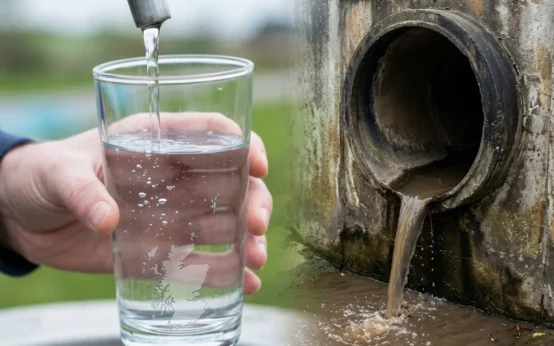 If England Had Kept Water Public Like Scotland
  Samsung Smart Switch Now Moves Passwords and eSIM From iPhone
 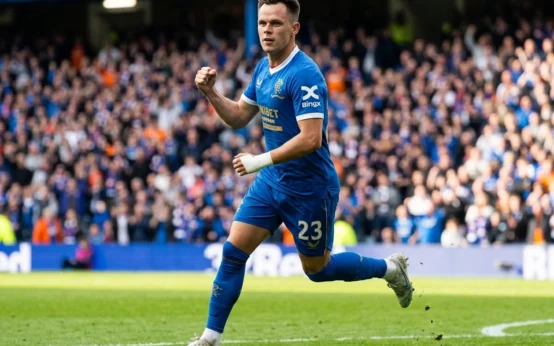 Old Firm Spend Pulls Clear as Premiership Rivals Patch Squads
  Chinese Studios Quietly Seize the Gamescom Stage