
 Chris Muir
 New research uncovers the dark Jacobite conspiracy behind the 1732 kidnapping of Lady Grange in Edinburgh, showing how powerful men silenced her to protect their treasonous plans. Writer Anthony Dalton’s study, published in 2025, details her brutal exile to remote Scottish islands and exposes the impunity of the era’s elite.
The Shocking Kidnapping That Shook Edinburgh
On January 22, 1732, armed men burst into the bedroom of Rachel Chiesley, known as Lady Grange, in Edinburgh. They beat her, knocked out her teeth, and carried her away like a corpse, starting a journey that ended in years of isolation on distant islands.
This event scandalized Scotland’s capital. Lady Grange, married to James Erskine, Lord Grange, a high-ranking judge with Jacobite ties, vanished without trace at first. Whispers spread that her husband orchestrated the plot due to their stormy marriage and her knowledge of his secret support for the Stuart claim to the throne.
Recent findings confirm the conspiracy went deeper. Dalton’s work draws on letters, records, and accounts to map the exact path of her abduction, revealing involvement from key Jacobite figures like Lord Lovat.
Her captivity lasted over a decade. She endured harsh conditions, moving from the Monach Isles to St Kilda, then Assynt, Harris, and Skye, where she died in 1745.
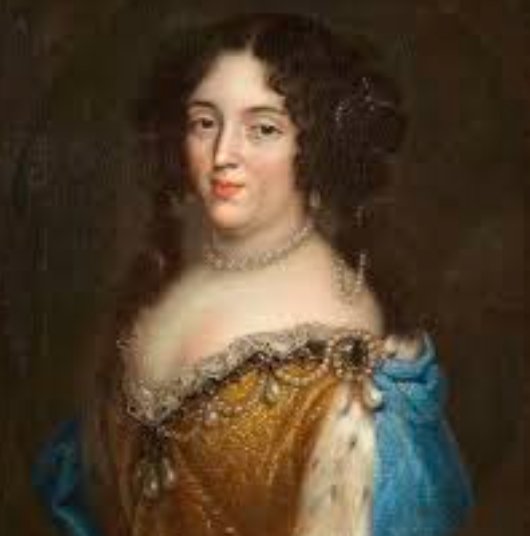
New Research Sheds Light on the Conspiracy
Anthony Dalton’s 2025 paper in the Proceedings of the Society of Antiquaries of Scotland provides the most detailed account yet. He analyzed original documents to debunk myths and confirm the Jacobite motive.
Dalton concludes Lady Grange threatened to expose her husband’s treason against the Hanoverian government. She had letters proving his Jacobite plotting, which could have ruined powerful men.
The research highlights how Lord Grange and allies like Simon Fraser, Lord Lovat, planned the kidnapping to silence her. They spread rumors of her madness to cover their tracks.
This study also traces her route precisely for the first time. Kidnappers took her northwest through rugged terrain, avoiding main roads to evade detection.
Dalton’s work shows the era’s gender inequalities. Women like Lady Grange had little legal recourse, treated as property by influential husbands.
Experts praise the research for its thorough fact-checking. It connects to broader Jacobite history, including the 1745 rebellion that followed her death.
Lady Grange’s Life of Turmoil and Exile
Born in 1679, Rachel Chiesley came from a troubled family. Her father was convicted of murder, and she inherited a fiery temper that clashed with her husband’s ambitions.
Their marriage produced nine children but soured over time. By 1730, they separated amid accusations of abuse and infidelity.
Lady Grange’s exile began with a brutal ride to the Hebrides. On St Kilda, she lived in destitution, far from her socialite life in Edinburgh.
She smuggled out a letter in 1740, detailing her plight. This reached authorities, prompting a failed rescue attempt.
Despite the outcry, her captors moved her again. She died alone on Skye, her family believing the lies of her supposed madness.
Her story inspired Gothic literature, influencing writers like Ann Radcliffe. Today, it resonates with discussions on women’s rights and historical injustices.
Dalton’s research includes timelines of key events:
| Year | Event |
|---|---|
| 1679 | Rachel Chiesley born in Edinburgh |
| 1707 | Marries James Erskine, becomes Lady Grange |
| 1732 | Kidnapped and taken to remote islands |
| 1740 | Smuggles letter exposing captivity |
| 1745 | Dies on Skye amid Jacobite rising |
The Jacobite Connection and Lasting Impact
Jacobitism aimed to restore the Stuart monarchy, opposing Hanoverian rule. Lord Grange’s sympathies made him vulnerable, especially with his wife’s knowledge.
Dalton’s findings show the kidnapping protected a network of conspirators. Lord Lovat, later executed for treason, played a central role.
This case illustrates how Jacobites operated in secrecy. It ties to events like the 1715 and 1745 risings, where similar plots unfolded.
Modern interest surges with Scotland’s heritage revival. Tours to St Kilda now highlight her story, drawing history enthusiasts.
Recent books and blogs explore powerful women in Jacobite rebellions, placing Lady Grange among figures like Colonel Anne.
Her tale warns of unchecked power. It prompts reflection on how far society has come in protecting individuals from abuse.
Why This Story Matters Today
In 2025, with ongoing talks about Scottish independence and historical reckonings, Lady Grange’s ordeal feels timely. It underscores themes of betrayal, resilience, and justice.
Dalton’s research fills gaps in history, offering a balanced view. It avoids sensationalism, focusing on facts from archives.
Readers can learn from her strength. Despite isolation, she fought to tell her story, inspiring modern narratives on survival.
This account entertains with its drama while informing on 18th-century Scotland. It solves puzzles about her fate, backed by solid evidence.
Share your thoughts in the comments below. Did this story surprise you? Pass it on to friends interested in Scottish history.
 ONGC licence frees Venezuela cash and operatorship talks
  Anthropic Hits $65 Billion Run Rate and Flips the AI Cash Test
  Supreme Court grounds the fare free-for-all with three-week clock
  Gold Nears $4400 as Soft Data Meets Oil Inflation Risk
  Nifty Slips as Zaggle Circuits and Dhoot Debuts Big
  Diesel Crack Tops $100 as Iran Rhetoric Lifts Crude