

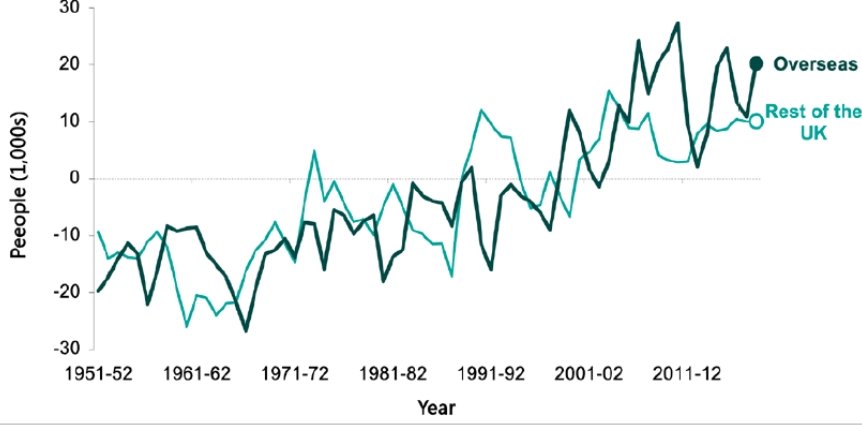
Scotland’s population reached a record high of 5.55 million in mid 2024, marking the first time it topped this level despite deaths outnumbering births for over a decade. The key factor driving this growth is net migration, with more people moving in than out, especially from overseas, helping to offset the natural decline in the population.
Record Population Milestone Achieved
The National Records of Scotland reported that the population stood at 5,546,900 by mid 2024, an increase of 40,900 people or 0.7 percent from the previous year. This milestone comes after years of steady growth, fueled largely by people choosing to relocate to the country.
Experts note that without this influx, Scotland would face a shrinking population, similar to trends in other aging European nations. The growth has been consistent for 24 years now, reversing the historical pattern of more Scots leaving than arriving.
This rise brings both opportunities and strains, from boosting the economy to putting pressure on housing and services. Local leaders in cities like Glasgow and Edinburgh have seen their communities expand, adding vibrancy but also challenges in infrastructure.
The Growing Gap Between Births and Deaths
Birth rates in Scotland have hit historic lows, with only 46,400 babies born in the year to mid 2024, compared to 62,000 deaths. This imbalance has persisted for the past 10 years, reflecting broader trends like delayed family planning and an aging society.
The fertility rate sits around 1.3 children per woman, well below the 2.1 needed for replacement without migration. Factors include high living costs, career priorities, and access to childcare, which discourage larger families.
In most council areas, deaths outpaced births, except in a few urban spots. This natural decrease highlights the urgency for policies that support families, such as affordable housing and better work life balance.
Public health officials warn that without action, the workforce could shrink, impacting everything from healthcare to pensions. Recent studies show life expectancy has stalled, adding to the demographic pressures.
Migration as the Main Driver of Growth
Net migration added 56,400 people to Scotland in the year to mid 2024, with 124,600 arrivals against 68,200 departures. Three quarters of newcomers came from outside the UK, making immigration the sole reason for the population increase.
This positive flow has spiked at key times, like the 2004 EU expansion and post Brexit shifts in 2020. Scottish ministers emphasize that migrant workers fill vital roles in healthcare, agriculture, and tech, preventing economic slowdown.
Without this migration, projections show the population could drop to 5.39 million by 2045. The data underscores how Scotland’s future hinges on welcoming skilled individuals to sustain growth.
Communities have benefited from diverse contributions, from cultural enrichment to economic boosts. Yet, the reliance on migration raises questions about long term sustainability amid UK wide policy changes.
Sources of Immigration to Scotland
International students form a major part of recent arrivals, though numbers dipped by over 10,000 last year due to tighter visa rules. Universities like Dundee face financial hits, but students still bring skills and future talent.
Work visas cover a range, from care workers to farmers and even sports professionals. Recent UK changes, like banning dependents for care visas, have cut applications by 81 percent, hitting sectors hard.
- Overseas students: Account for about 33 percent of non EU arrivals, often transitioning to work.
- Skilled workers: Fill gaps in health and agriculture, with many staying long term.
- Family reunions: Though restricted, they add to community stability.
Boat arrivals grab headlines but represent a small fraction compared to legal routes. Front door immigration via visas drives the boom, supporting daily life and growth.
| Year | Total Population | Net Migration | Births | Deaths |
|---|---|---|---|---|
| Mid 2023 | 5,506,000 | 50,000 | 47,000 | 60,000 |
| Mid 2024 | 5,546,900 | 56,400 | 46,400 | 62,000 |
| Projected 2025 | 5,580,000 | 45,000 (est.) | 45,000 | 63,000 |
This table shows trends based on recent estimates, highlighting migration’s role.
Challenges and Future Outlook for Scotland
Immigration debates heat up, with concerns over housing shortages and service strains in places like Glasgow. Protests and shifting public views show tolerance waning, though Scotland remains more open than other UK areas.
UK government plans for 2025, including higher salary thresholds and shorter graduate visas, could reduce net migration by 100,000 UK wide. Scotland pushes for exemptions to protect key sectors, arguing its needs differ from England’s.
Experts call for balanced policies that attract talent while addressing local worries. Recent events, like refugee housing tensions, underline the need for community integration efforts.
Looking ahead, sustaining growth means tackling root issues like low births through family supports. As one analyst put it, Scotland must adapt to become a magnet for global talent without overwhelming resources.
Readers, what do you think about Scotland’s migration trends? Share your views in the comments below and spread the word by sharing this article with friends and family.