

The Northern Lights, or aurora borealis, will dazzle viewers in 2025 thanks to the sun’s solar maximum, which boosts displays across the Arctic. Travelers seeking this bucket list sight should head to spots under the auroral oval from late September to early April, where dark skies and clear weather offer the best chances.
This year marks a peak in solar activity, making sightings more frequent and vivid than in recent cycles. Experts predict stronger shows due to increased coronal mass ejections, drawing crowds to northern destinations worldwide.
Why 2025 Stands Out for Aurora Chasing
Solar cycles run about 11 years, and 2025 hits the height of the current maximum, leading to brighter and more reliable Northern Lights. Recent storms have already pushed auroras south to places like the US Midwest and Europe, hinting at even better views farther north.
Travelers report higher success rates this season, with some areas seeing displays on over 200 nights annually. Climate patterns also play a role, as milder winters in parts of Scandinavia could mean fewer cloudy nights blocking the show.
Booking early helps, since demand surges during this peak. Many tours now include apps for real time forecasts, raising odds from 50 percent to near 90 percent on clear evenings.
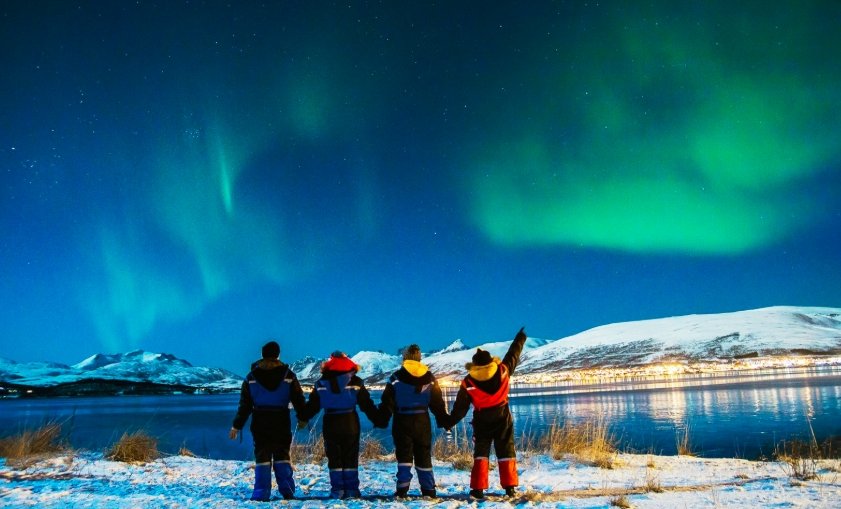
Best Times and Tips for Spotting the Lights
Late September through early April provides the longest dark periods for viewing, with December to February offering peak darkness but colder temps. Check space weather sites daily for geomagnetic activity levels above Kp 3 for strong shows.
Dress in layers for sub zero chills, and join guided hunts to escape city lights. Apps like My Aurora Forecast help track conditions, while staying in glass igloos lets you watch from bed.
Patience pays off, as displays last 20 minutes to hours. Combine trips with activities like dog sledding to fill downtime if clouds roll in.
- Pack a tripod for photos, as long exposures capture colors your eyes might miss.
- Avoid full moon nights, which wash out fainter lights.
- Book accommodations with northern views to maximize chances without traveling far.
Tromsø, Norway: Arctic Capital of Lights
Tromsø sits right in the auroral zone, making it a top pick for reliable sightings. This lively city offers nightly tours to fjords and valleys when skies clear, blending urban vibes with wild nature.
Visitors love the Fjellheisen cable car for panoramic views, especially during December’s polar nights. Recent data shows over 300 clear sky nights yearly here, boosting success rates.
The area shines with winter festivals and whale watching by day. Expect temps around minus 5 degrees Celsius, but heated buses keep tours comfy.
Iceland: Reykjavík and Beyond for Epic Backdrops
Base in Reykjavík for easy access, then escape to Thingvellir National Park or the South Coast for darker skies. Iceland’s volcanoes and glaciers frame the lights dramatically, with hot springs like the Blue Lagoon for post viewing relaxation.
Forecasts from the Icelandic Met Office guide nightly hunts, with September to April ideal. Solar activity this year has already lit up the island more often, drawing record tourists.
Road trips to remote spots like the East Fjords add adventure. Pack for wind and rain, but clear nights reward with shows reflecting off ice.
Finnish Lapland: Rovaniemi and Remote Villages
Rovaniemi serves as a gateway, but head to Levi or Inari for quieter, darker views. Glass igloos here let you sip hot cocoa under dancing greens and purples.
December to March brings the longest nights, perfect for reindeer safaris by day. Stats indicate 80 percent viewing success on clear evenings, thanks to low light pollution.
Snowmobiling tours chase the lights across tundra. Families enjoy Santa’s village in Rovaniemi, tying holiday magic to natural wonders.
Fairbanks, Alaska: Prime US Viewing Hub
Fairbanks lies under the auroral oval, offering some of North America’s best odds. Guided hunts from luxury lodges or hot springs provide comfort in the cold.
Winter temps dip to minus 20 degrees, but indoor viewing options abound. Recent solar peaks have made 2025 a standout, with displays visible most nights.
Explore Denali National Park nearby for hiking. Chena Hot Springs hosts aurora festivals, blending relaxation with sky watching.
Yellowknife, Canada: Subarctic Spectacle
In Canada’s Northwest Territories, Yellowknife boasts a 98 percent success rate for tours. Frozen Great Slave Lake reflects the lights, creating double the show.
September to March suits visits, with ice fishing and dog sleds as bonuses. Solar maximum enhances frequency, as seen in recent widespread sightings across Canada.
Stay in frame cabins for unobstructed views. The remote location means minimal crowds, ideal for peaceful stargazing.
Abisko, Sweden: Clear Skies in Lapland
Abisko National Park features the “Blue Hole,” a weather phenomenon trapping clouds elsewhere for clearer nights. This Swedish gem offers train access from Stockholm.
View from the Aurora Sky Station, a mountaintop observatory. Data shows over 100 viewing nights yearly, amplified by 2025’s activity.
Hike or ski by day in pristine forests. Sami culture experiences add depth, with joik singing under the lights.
| Destination | Best Months | Avg. Success Rate | Key Activities | Avg. Temp (°C) |
|---|---|---|---|---|
| Tromsø, Norway | Dec-Feb | 75% | Cable car rides, fjord tours | -5 to -10 |
| Iceland | Sep-Apr | 70% | Hot springs, glacier hikes | 0 to -5 |
| Finnish Lapland | Dec-Mar | 80% | Reindeer safaris, igloo stays | -10 to -15 |
| Fairbanks, Alaska | Oct-Mar | 90% | Hot springs, Denali visits | -15 to -20 |
| Yellowknife, Canada | Sep-Mar | 98% | Ice fishing, lake views | -20 to -25 |
| Abisko, Sweden | Sep-Apr | 85% | Sky station, hiking | -8 to -12 |
| Svalbard, Norway | Nov-Feb | 60% | Polar bear safaris, midnight sun prep | -15 to -25 |
Svalbard, Norway: Extreme Arctic Adventure
Svalbard’s high latitude means frequent auroras, even in polar night. This archipelago offers unique views from snowmobiles or boat tours.
November to February darkens skies fully, with 2025’s solar boost promising intense displays. Watch for polar bears, adding thrill.
Expedition cruises explore fjords. Insulated gear is essential for minus 25 degrees, but heated lodges provide refuge.
Plan your 2025 Northern Lights trip now to catch this rare solar peak. Share your experiences in the comments and spread the word to fellow travelers.


