

A violent winter storm stripping sand from a Scottish beach has gifted archaeologists a fleeting, miraculous glimpse into the past. Ancient footprints from the Iron Age emerged briefly at Lunan Bay, sparking a desperate race against the tide to record the 2,000-year-old tracks before the ocean erased them forever.
Dog Walkers Spot Ancient Tracks at Lunan Bay
History often reveals itself to the quiet observer rather than the active seeker. Local residents Ivor Campbell and Jenny Snedden were walking their dogs, Ziggy and Juno, along the coast of Angus when they noticed something unusual. The fierce winds had scoured away the top layer of sand, exposing a dark, wet sheet of clay that had not seen the sun for millennia.
Campbell noticed distinct hollows in the mud that looked suspiciously like footsteps. He snapped a few photographs and immediately contacted Bruce Mann, the archaeologist for Aberdeenshire Council. Mann realized instantly that the images showed a “genuine archaeological emergency.” The storm that revealed the site was already bringing the waves back to destroy it.
“It was a powerful reminder that some of the most important discoveries start with someone noticing something and choosing to report it,” Mann stated.
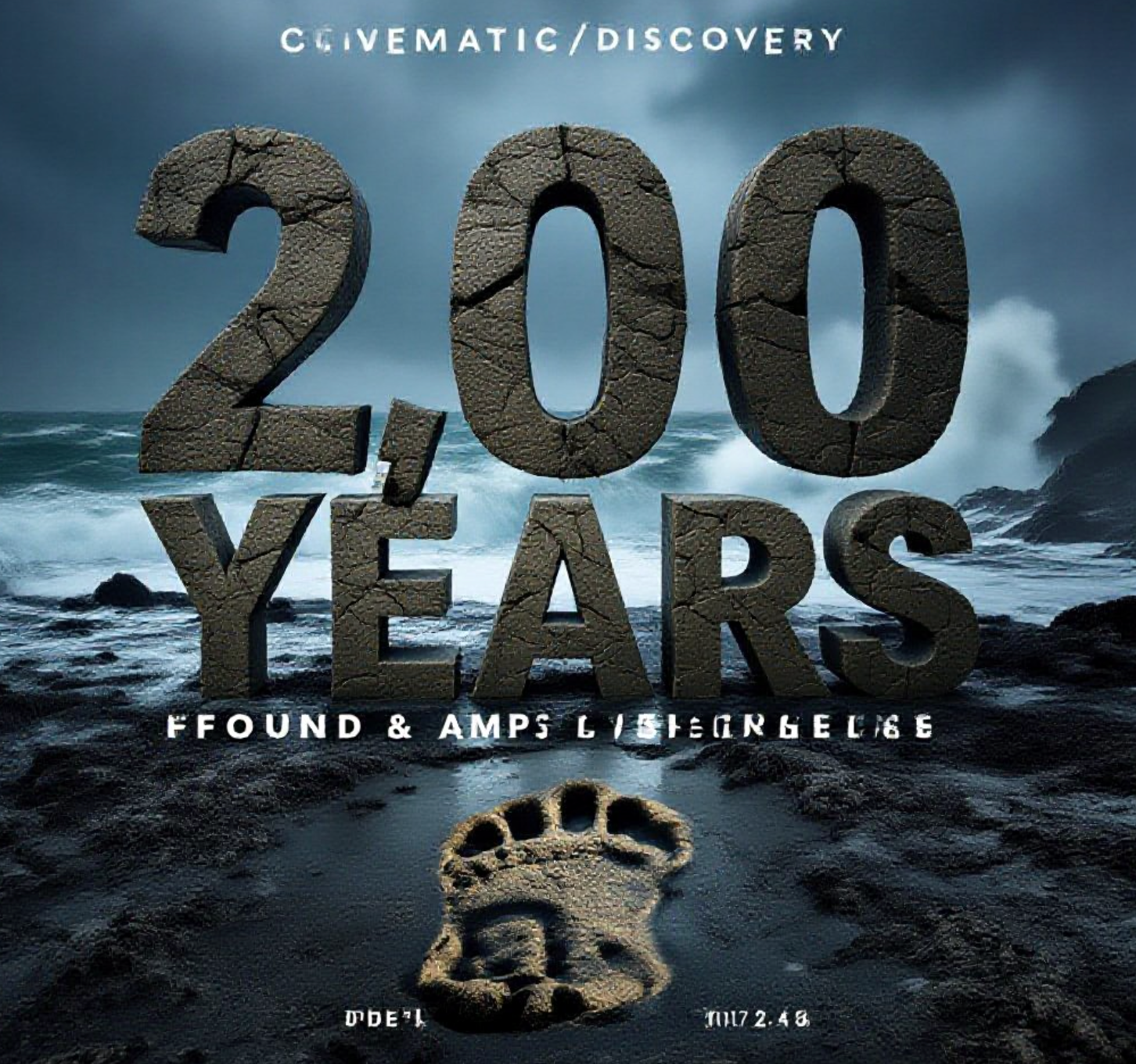
Racing Against Tides to Preserve Iron Age History
Time became the enemy as soon as the discovery was confirmed. A team from the University of Aberdeen, led by Professor Kate Britton, scrambled to reach the site. They faced brutal conditions, with wind gusts hitting 55 mph and sand whipping across the beach like sandpaper.
The researchers had less than 48 hours before the next major tide cycle would obliterate the clay bed.
The team deployed a mix of traditional tools and high-tech scanners to capture the evidence:
- Photogrammetry: Taking hundreds of overlapping photos to create 3D digital models.
- Drone Surveys: Mapping the wider context of the beach and the position of the prints.
- Plaster Casts: Physically lifting the most distinct footprints to preserve their shape.
Every hour counted. As the tide rose, water began to eat away at the edges of the clay. The team worked through the driving rain, knowing they would never get a second chance at this excavation.
Analysis Reveals Details of Early Scottish Life
The rescued data paints a vivid picture of life in Angus around the time of the Roman invasions. Radiocarbon dating of plant material compressed within the clay places the footprints squarely in the Late Iron Age, roughly 2,000 years ago.
The impressions tell a story of a different landscape. Today, Lunan Bay is a sandy beach, but back then, it was a muddy estuary.
Tracks Identified on the Ancient Surface
| Track Type | Details Observed |
|---|---|
| Human | Barefoot impressions, likely adults and younger individuals. |
| Red Deer | Sharp hooves indicating large, wild game in the area. |
| Roe Deer | Smaller tracks showing a diverse animal population. |
The human prints show people walking barefoot across the wet mud. They were likely fishing, gathering reeds, or hunting the very deer whose tracks crisscrossed their own path.
It offers a “tangible link” to the people who lived there before the Picts emerged as a dominant power. These were not soldiers marching to war, but locals going about their daily survival.
Coastal Erosion Threatens Future Archaeological Finds
This discovery highlights a growing crisis for coastal heritage. While storms have always reshaped the coastline, climate change is accelerating the process. Rising sea levels and more frequent, intense weather events are stripping beaches faster than ever before.
Professor Gordon Noble, who worked on the site, noted that while similar footprints have been found in England—such as at Formby and Happisburgh—this is the first confirmed discovery of its kind in Scotland.
The clay beds at Lunan Bay are now gone. The sea reclaimed them just days after they appeared. However, their existence proves that the wider Montrose Basin could hide similar secrets.
Archaeologists now face a paradox. The same forces that destroy these sites are the only reason we find them at all. It requires a network of vigilant locals like Campbell and Snedden to ensure the next discovery isn’t washed away unseen.
The footprints at Lunan Bay were ghosts of the past. They appeared for a moment to tell us we were here, and then vanished back into the water. But thanks to quick thinking and digital preservation, that moment will last forever.
We would love to hear your thoughts on this incredible discovery. Have you ever found something historic while walking on the beach? Share your stories in the comments below or tag us on social media using #LunanBayFootprints.