
The era of the “wild west” beauty industry in Scotland is officially coming to an end. Members of the Scottish Parliament have unanimously backed a strict new law that bans Botox, lip fillers, and non-surgical Brazilian butt lifts for anyone under 18. This historic move aims to stop children from being “butchered” by unqualified practitioners and closes a dangerous legal loophole that allowed English teenagers to cross the border for risky cosmetic jabs.
The Law That Changes Everything
Scottish lawmakers put patient safety first this week by voting through the general principles of the Non-surgical Procedures and Functions of Medical Reviewers (Scotland) Bill. The decision was unanimous. Every political party agreed that the current lack of regulation is unacceptable.
This new legislation brings sweeping changes to the beauty sector. It makes it a criminal offense to administer non-surgical cosmetic procedures to minors. The only exception is for treatments that are part of a legitimate medical service. The days of teenagers getting lip fillers on their lunch break are over.
But the law goes further than just age limits. It targets the “cowboy” clinics that have operated without oversight for years. Under the new rules, high-risk procedures that pierce the skin must be performed by trained healthcare professionals. These treatments will be restricted to designated safe environments like pharmacies, dental practices, and hospitals.
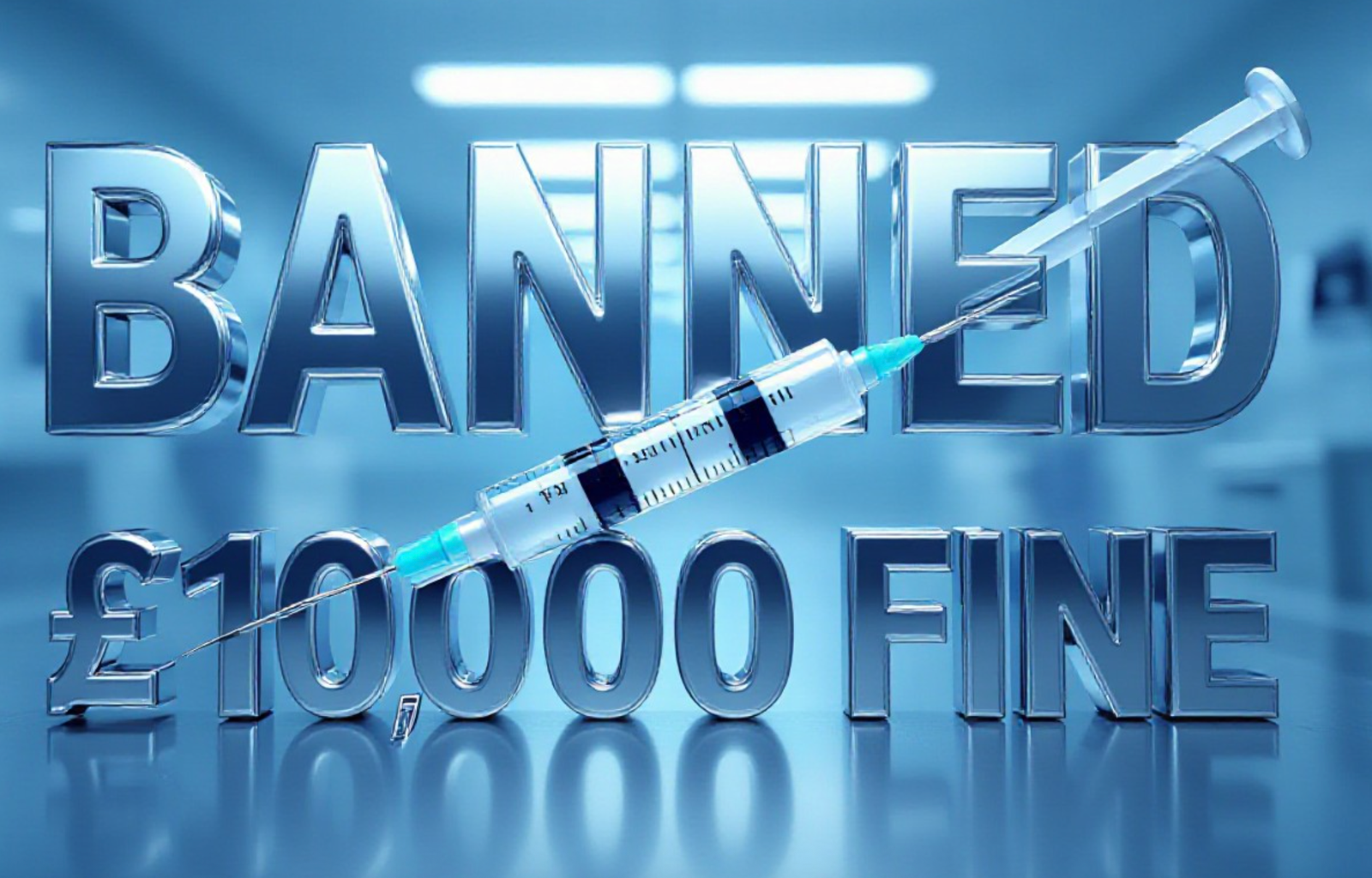
Violators face serious consequences. Anyone caught breaking these rules could be hit with fines of up to £10,000. Public Health Minister Jenni Minto made the government’s stance clear during the debate. She argued that while many people enjoy these treatments, regulation has failed to keep pace with the booming industry. The government is stepping in to prevent further harm.
A Crisis of “Butchered” Patients
The urgency for this bill comes from a terrifying rise in botched procedures. Scotland has been labeled the “worst country in Europe” for unregulated cosmetic work by the British Association of Cosmetic Nurses. The lack of rules meant that literally anyone could pick up a needle and start injecting patients.
The statistics are alarming. Government estimates show that up to 1,500 businesses in Scotland might be offering these medical-grade treatments without formal medical training. The consequences for patients have been devastating.
The Reality of Unregulated Beauty:
- Child Victims: Children as young as 15 are seeking medical help to fix injuries from bad injections.
- Medical Burden: More than one in three Scottish medical professionals report treating patients for complications from cosmetic work.
- Financial Loss: In just one year, 430 people contacted consumer support groups about botched jobs that cost them a combined £192,000.
Jackie Partridge is a qualified nurse prescriber who advised the government on this bill. Her testimony painted a grim picture of the current situation. She warned that people are not just being injured. They are being “maimed” and “butchered” by incompetent workers. She emphasized that people have died in the UK cosmetic sector and this law is vital to save lives.
The Battle Between Safety and Business
While everyone agrees on protecting children, the crackdown on businesses sparked a heated debate. The bill creates a divide between medically trained professionals and beauty therapists who have been doing these treatments for years.
Conservative MSP Sandesh Gulhane supported the bill but highlighted the need to get the details right. The main concern is for the thousands of female-owned beauty businesses that could be forced to close. Tory MSP Maurice Golden warned that as many as 1,800 businesses might be driven “to the wall” if they are suddenly banned from offering these popular services.
There is also a fear of unintended consequences. Liberal Democrat leader Alex Cole-Hamilton raised a critical point. He worries that if the regulations are too strict for experienced practitioners, it might push the industry underground. This could lead to “speakeasy” style clinics where safety is even worse than it is now.
Despite these concerns, the focus remains on the high risk of medical complications. The bill proposes a system where dangerous procedures are left to doctors, nurses, and dentists. The government insists that if a procedure involves piercing the skin or injecting potent chemicals, it is a medical act and not a beauty treatment.
Closing the Cross-Border Loophole
This legislation also solves a major problem for the rest of the UK. England banned Botox and fillers for under-18s back in 2021. However, that ban had a gaping hole. Teenagers who were refused treatment in Newcastle or Carlisle could simply travel north to Scotland to get their injections.
This “Botox tourism” undermined the safety laws in England and put young Scots at risk. By aligning Scottish law with the rest of the UK, the government is creating a unified safety net.
Recent health scares have proven why this is necessary. Just last summer, there were 38 reports of botulism in the UK linked to dangerous weight-loss injections and fake Botox. These incidents showed how quickly unregulated substances can cause life-threatening illness.
The bill has now passed its first hurdle with unanimous support. It still needs to go through two more stages of scrutiny before it becomes an official Act. But the message from Holyrood is loud and clear. The safety of young people is more important than the profits of the beauty industry.