
 Dayna Bass
 HiiROC, a British company focused on clean energy, has joined forces with Agile Energy to push forward hydrogen production in the Scottish Highlands. This new partnership, announced on October 30, 2025, will test HiiROCs special technology at Thainstone Energy Park near Inverurie to turn waste into low carbon hydrogen and other useful products.
The move comes at a time when the UK pushes hard for net zero goals, and this project could help cut emissions in hard to reach areas like remote communities and shipping routes.
Partnership Aims to Transform Waste into Energy
The collaboration between HiiROC and Agile Energy targets the Thainstone Energy Park, a site set to handle up to 200,000 tonnes of waste each year from local towns and factories. Agile Energy plans to build an Integrated Resource Facility there, inspired by Swedish models, to generate power and heat for nearby areas. By linking HiiROCs hydrogen tech with this setup, the partners hope to create a seamless system that boosts efficiency and reduces waste.
Experts see this as a smart step in the clean energy shift. The park, located in Aberdeenshire, could become a model for other UK sites facing similar waste challenges. Construction on the main facility is slated to start soon, with the power plant expected online by late 2025. This timing aligns with growing demand for green fuels in Scotland, where wind and wave power already lead the way.
One key goal is to blend carbon dioxide from the waste process with hydrogen to make e methanol. This fuel could replace diesel in ships, cutting pollution in busy ports like Aberdeen. Such innovations address real world needs, like helping the maritime industry meet strict emission rules without huge overhauls.
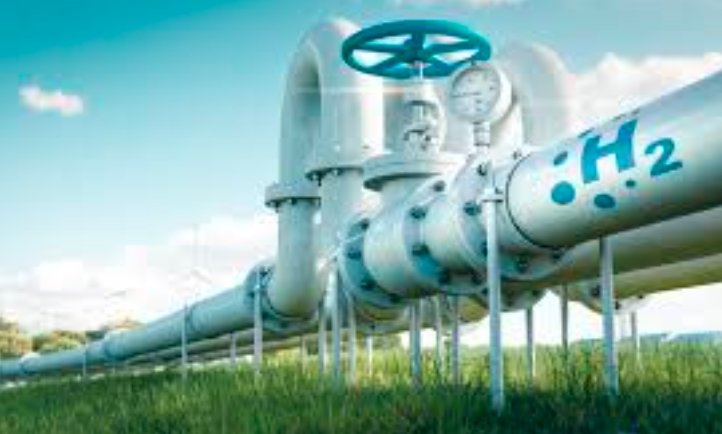
How Thermal Plasma Electrolysis Works in This Project
HiiROCs core technology, called Thermal Plasma Electrolysis, stands out for its low energy use and zero carbon dioxide output. Unlike traditional methods that guzzle electricity from water splitting, this process uses just one fifth of that power by breaking down gases with plasma torches. It fits the UKs Low Carbon Hydrogen Standard, making the hydrogen it produces eligible for government support.
In the Scottish project, the tech will sit right at the energy park, tapping into existing gas lines to skip costly new builds. This on site approach speeds things up, as HiiROC eyes first commercial units in 2026. The process also captures carbon as a solid material, which could find uses in industries like construction or farming.
To give a clear picture of the benefits, here is a table comparing Thermal Plasma Electrolysis to standard water electrolysis:
| Feature | Thermal Plasma Electrolysis (HiiROC) | Water Electrolysis |
|---|---|---|
| Electricity Needed | One fifth of standard amount | Full amount |
| CO2 Emissions | None | None, but high energy use |
| Feedstock | Gaseous hydrocarbons or waste gases | Water |
| Scalability | Uses existing infrastructure | Needs new setups |
| Cost per Unit Hydrogen | Lower due to efficiency | Higher from energy |
This comparison shows why the technology could change the game for clean hydrogen production in places like the Highlands.
Local Impact and Broader UK Energy Trends
For the Inverurie community, the project promises jobs and cleaner air. Agile Energy stresses that it will work with locals to ensure benefits like affordable heat reach homes and businesses. Thainstone, once a paper mill site, now eyes a green future that could attract more investments to Aberdeenshire.
This ties into recent UK wins in hydrogen. Just last month, in September 2025, HiiROC helped Centrica run the countrys first hydrogen to power trial at Brigg Energy Park in England. There, they blended hydrogen into a gas plant to feed the national grid, proving the tech works at scale. Such steps build momentum, especially as Scotland leads with projects like the Acorn hydrogen hub nearby.
Challenges remain, though. Building in the Highlands means dealing with tough weather and remote logistics, but partners say their combined expertise will handle it. Plus, with global shipping eyeing e fuels, this could open doors for exports from Scottish ports.
Here are some key benefits the project offers:
- Cuts waste by processing 200,000 tonnes yearly into useful energy.
- Creates low carbon jobs in engineering and operations for locals.
- Supports net zero by producing hydrogen compliant with UK standards.
- Explores e methanol to green up maritime transport routes.
Future Outlook for Clean Hydrogen in the UK
Looking ahead, HiiROC and Agile see this as the start of bigger things. HiiROC, founded in 2019, has grown fast with over 100 staff across sites in Hull and beyond. Their tech has drawn interest from giants like Siemens for controls and Cemex for cement plants, showing wide appeal.
In Scotland, where renewables boom, this project fits the governments hydrogen action plan. It could help meet targets for 5 gigawatts of low carbon hydrogen by 2030. Analysts predict such collaborations will speed up the shift from fossil fuels, especially in rural areas overlooked by big pipelines.
As the UK races toward net zero, stories like this highlight practical paths forward. Readers, what do you think about clean hydrogen in your area? Share your views in the comments below and spread the word on social media to keep the conversation going.
 Windows 11 KB5095093 Lands With Point-in-Time Restore and 35-Day Pause
  Meta Cuts Smart Glasses to $299 to Outflank Snap and Apple
  Messi Leads the 2026 World Cup Golden Boot Race After Two Matches
  Australia March On as Athapaththu Ton Lights Up T20 World Cup
  Galaxy Z Fold 8 Leak Reveals Colors, Storage, and a New Ultra Variant
  Ronaldo’s Six-World-Cup Record Leads a Matchday Full of Milestones