

The future of UK scientific research just got a massive, eco-friendly upgrade. In a landmark deal that marries high-performance computing with aggressive sustainability goals, Scottish data center firm DataVita has been selected to host “Charger,” a cutting-edge supercomputer for University College London (UCL). This move is part of a major £76 million investment program by UK Research and Innovation (UKRI) to supercharge the nation’s digital infrastructure.
A Powerhouse for Next-Gen Discovery
The new system, officially named Charger, is not just another server rack; it is a beast of computational power designed to tackle some of the most complex problems in science and humanity. Funded by a £19.5 million award from the UKRI, the system will be delivered by a UCL-led consortium and is set to go online later in 2026.
Charger is built to handle “many small tasks” rather than just single massive simulations, democratizing access for researchers who often struggle to get time on traditional supercomputers. From mapping the human genome to analyzing vast historical archives, this system will serve as a versatile digital engine for physical sciences, biosciences, and social sciences alike.
Dr. Owain Kenway, from UCL Advanced Research Computing, highlighted the unique gap Charger fills. “Charger boosts the UK’s capability to do real computational research across a wide variety of fields and puts compute power in the hands of researchers who might otherwise be denied access to larger resources,” he said.
Under the Hood: 37,000 Cores and Blackwell GPUs
Tech enthusiasts will find the specifications of Charger particularly mouth-watering. The system is based on Hewlett Packard Enterprise (HPE) and Cray technology, renowned for their leadership in supercomputing.
Key Technical Specifications:
- Processor Power: Over 37,000 Intel Xeon Platinum CPU cores to handle massive parallel processing tasks.
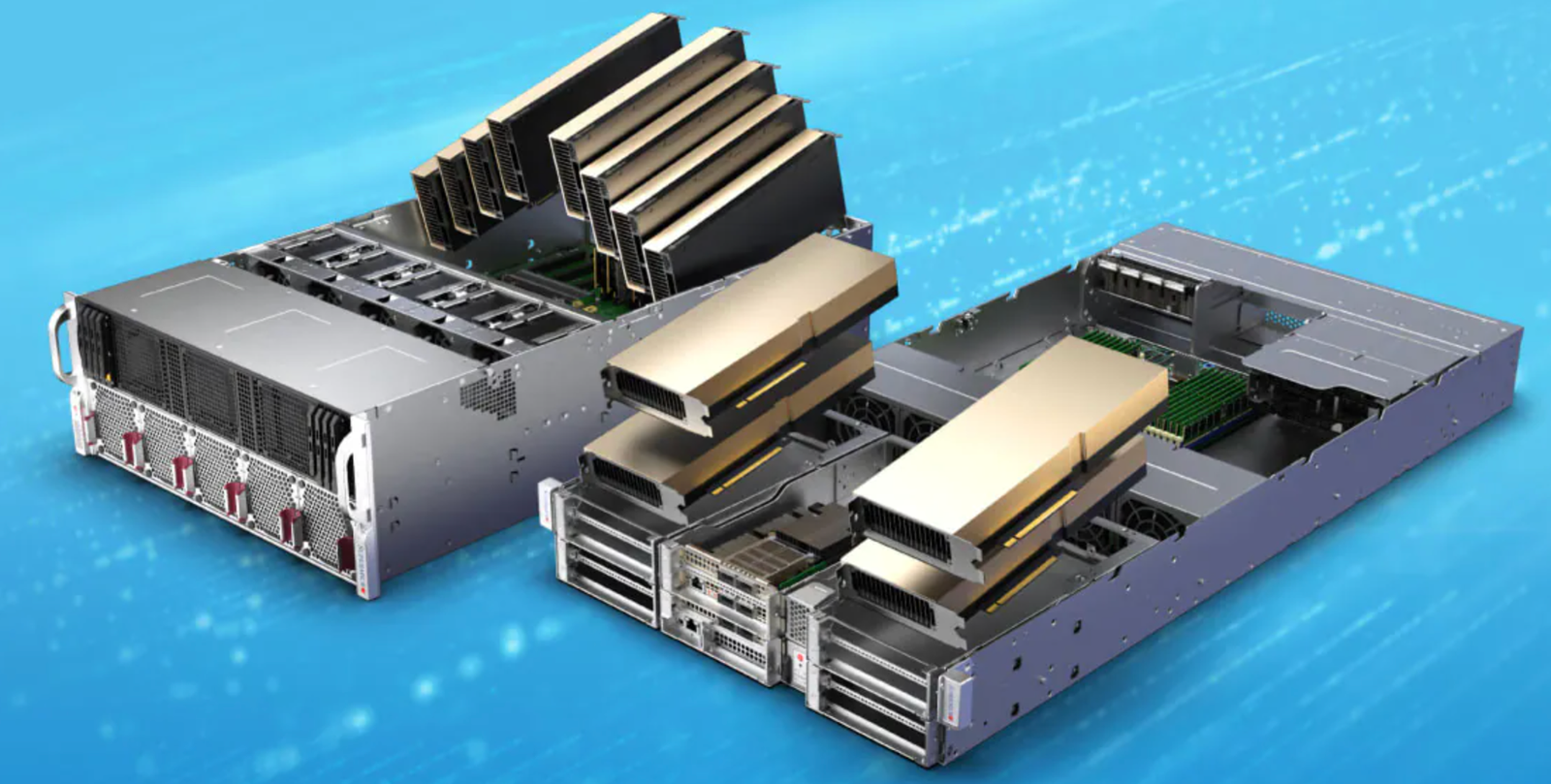
- Graphics Acceleration: A select number of Nvidia Blackwell RTX 6000 Pro server edition GPUs. These cards feature 96GB of GDDR7 memory, offering a massive leap in performance for AI and simulation workloads compared to previous generations.
- Networking: High-speed HPE Slingshot interconnects to ensure rapid data transfer between nodes.
- Cooling: Direct liquid cooling technology to manage heat efficiently.
This blend of massive CPU density with targeted, high-end GPU acceleration makes Charger a hybrid beast capable of running standard simulations and emerging AI-driven research simultaneously.
The Scottish Advantage: Cool Air and Carbon Savings
One of the most compelling aspects of this announcement is the location. By hosting the supercomputer at DataVita’s facility in North Lanarkshire, Scotland, instead of central London, the project will achieve remarkable environmental benefits.
Scotland’s naturally cooler climate allows DataVita to utilize “free air cooling” for the vast majority of the year. This means the facility can use outside air to cool the servers rather than energy-hungry air conditioning units. Combined with Scotland’s grid, which is heavily powered by renewable energy, the move is a masterstroke for sustainability.
“By combining the research excellence and innovation leadership of leading London institutions with the environmental and cost advantages of hosting in Scotland, this approach brings together world-class compute capability with measurable sustainability benefits.” Danny Quinn, Managing Director of DataVita
Sustainability Impact at a Glance:
- Carbon Reduction: Estimated saving of 465 tonnes of CO2e per year.
- Energy Source: 100% renewable energy usage at the facility.
- Efficiency: Uses Scotland’s cool climate to minimize active cooling requirements.
A Nationwide Digital Upgrade
The Charger system is just one piece of a larger puzzle. The £76 million UKRI investment is funding three other National Compute Resources (NCRs) alongside the UCL project, creating a distributed network of digital power across the UK.
The Four New National Compute Resources:
- UCL (Charger): Hosted by DataVita, focused on versatile CPU workloads and liquid-cooled efficiency.
- University of Birmingham (Baskerville): Secured £18 million for a GPU-centric Lenovo system to launch in 2027, aiding research in decarbonization and weather prediction.
- University of Edinburgh: A £19.5 million expansion of the “Cirrus” system, focusing on CPU power to complement their upcoming exascale national supercomputer.
- University of Cambridge: Receiving significant funding for a GPU-based system (Dawn) to accelerate AI and healthcare breakthroughs.
“Our goal is to ensure that the UK’s research community has the digital horsepower required to solve complex challenges and maintain our global edge in innovation,” stated Richard Gunn, digital research infrastructure programme director at UKRI.
This coordinated investment ensures that researchers in every corner of the UK have access to the specific type of computing power they need, whether it is memory-heavy CPU tasks or parallel-processing GPU workloads.
The launch of Charger marks a pivotal moment where high-performance computing meets high-impact sustainability. By leveraging Scotland’s renewable assets to power London’s research ambitions, the UK is setting a new standard for responsible scientific progress. As these systems come online in 2026 and 2027, they promise to unlock discoveries that could change our lives, all while keeping a lighter footprint on the planet.
What do you think about moving supercomputers to cooler climates to save energy? Should more tech firms follow this lead? Share your thoughts in the comments below! #GreenTech #Supercomputing #DataVita