
 Chris Muir
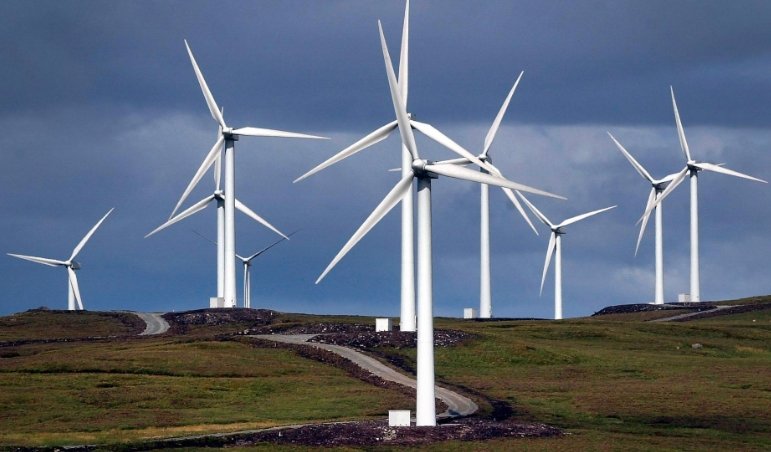
 China’s Ming Yang Smart Energy Group announced plans on October 10, 2025, to invest up to 1.5 billion pounds in a massive wind turbine factory near Inverness in Scotland. This move comes as the UK government grapples with growing worries about Chinese influence in key energy projects, especially after recent spying scandals and cyber threats tied to Beijing.
The factory at Ardersier Port would mark a big step for the UK’s green energy push, but it has sparked heated debates over national security. Officials and experts question if relying on Chinese tech could open doors to risks in the country’s power grid and offshore farms.
Investment Breakdown and Timeline
Ming Yang’s proposal outlines a three phase project that could transform Scotland’s manufacturing scene. The company has been in talks with UK and Scottish officials for two years, and now seeks final approval from London.
In the first phase, Ming Yang plans to spend 750 million pounds on building facilities for wind turbine blades and nacelles, those key housings for the power generating parts. Production could start as early as late 2028 if all goes well. Later phases would expand to full turbine assembly and support services for offshore and floating wind setups across the UK and Europe.
This builds on Ming Yang’s recent deal with Octopus Energy in September 2025 to deliver up to 6 gigawatts of wind power projects. The firm sees Scotland as a hub due to its strong winds and ports, but faces hurdles like past resistance in Germany for similar expansions.
- Phase 1: 750 million pounds for blades and nacelles, targeting 2028 start.
- Phase 2: Additional funds for turbine assembly and ecosystem development.
- Phase 3: Full integration for floating offshore wind, boosting exports to Europe.
Job Creation and Economic Boost for Scotland
The project promises real gains for the local economy in the Highlands. Ming Yang estimates it could create up to 1,500 new jobs, from skilled manufacturing roles to support positions in supply chains. Ardersier Port, a green freeport with tax breaks, stands out as the top site, drawing on its location near strong offshore wind potential.
Scotland’s push for net zero by 2045 makes this timely. The region already hosts growing wind farms, and this factory could cut reliance on imports while sparking related industries like maintenance and logistics. Local leaders hail it as a win for communities hit hard by past energy shifts, such as the closure of Grangemouth oil refinery earlier in 2025 by PetroChina.
Yet, not everyone cheers. Some worry the jobs might not last if global wind markets shift, recalling how foreign firms have come and gone in Scotland’s energy sector. Still, the investment aligns with the UK’s goal to hit 50 gigawatts of offshore wind by 2030, helping meet climate targets without massive delays.
Rising National Security Alarms
Tensions with China cast a shadow over the plans. Britain’s MI5 chief, Ken McCallum, warned just days ago that Chinese state actors threaten the UK daily through espionage and influence. A fresh report from the National Cyber Security Centre labels China as a top sophisticated threat, targeting energy and other key sectors with hacks.
The factory would supply turbines for North Sea farms near vital subsea cables and naval routes. Critics fear Beijing could embed spying tech or disrupt operations, especially under China’s laws that force companies to aid state intelligence. This echoes broader worries, like the collapse of a spying trial against two British men charged with working for China, which fueled accusations of soft UK stances on Beijing.
US officials, including from the Trump administration, urged London over summer 2025 to block the deal, calling it a risk to alliances. Royal Navy experts briefed MPs earlier this year on how wind farms could hide surveillance tools, tracking ships and subs. These fears tie into recent events, such as Chinese hackers probing Western energy grids amid global conflicts.
Government Responses and Expert Views
UK leaders face tough choices. Prime Minister Keir Starmer’s team met Ming Yang reps multiple times in 2024 and 2025 to discuss investments, but now reviews security angles closely. Energy Minister Michael Shanks chaired a taskforce on October 16, 2025, focusing on cyber threats to energy resilience, right as this news broke.
Experts like Andrew Yeh from the China Strategic Risks Institute call it very risky. He points to repeated Chinese cyber attacks on the UK and stresses the need for strong safeguards before importing such tech. On X, users debate fiercely, with some praising the green jobs and others slamming it as naive amid spy scandals.
Scottish officials welcome the pick of Ardersier but defer to Westminster on approval. Tories demand transparency on advisor Jonathan Powell’s role, given his China links and past suppression of spying probes. A government spokesperson insists any decision will prioritize national security, balancing economic needs with protection.
| Key Stakeholder | Stance on Ming Yang Investment |
|---|---|
| UK Government | Reviewing for security; past meetings held but no final call yet |
| Scottish Government | Welcomes economic potential; awaits UK decision |
| US Officials | Urges block due to spying risks and leverage concerns |
| MI5 and Cyber Centre | Highlights daily threats from Chinese actors in energy |
| Local Communities | Sees jobs boost but worries over long term stability |
Path Forward for UK Green Energy
This saga highlights the tightrope the UK walks in chasing net zero goals. Wind power is central, with offshore capacity growing fast, but overdependence on one nation could backfire. Ming Yang’s tech leads globally, like their 20 megawatt turbines tested recently, yet alternatives from firms like Vestas in Scotland offer options without the geopolitical baggage.
Recent trends show Europe tightening rules on Chinese suppliers, as seen in Germany’s new action plan against unfair competition. For the UK, approving this could speed up targets but invite more scrutiny from allies. Rejecting it might slow progress, raising energy costs amid 2025’s volatile markets.
In the end, the decision shapes how Britain builds its future power without compromising safety. Readers, what do you think about balancing green growth with security? Share your views in the comments and spread the word on social media to join the conversation.
 ONGC licence frees Venezuela cash and operatorship talks
  Anthropic Hits $65 Billion Run Rate and Flips the AI Cash Test
  Supreme Court grounds the fare free-for-all with three-week clock
  Gold Nears $4400 as Soft Data Meets Oil Inflation Risk
  Nifty Slips as Zaggle Circuits and Dhoot Debuts Big
  Diesel Crack Tops $100 as Iran Rhetoric Lifts Crude