
 Chris Muir
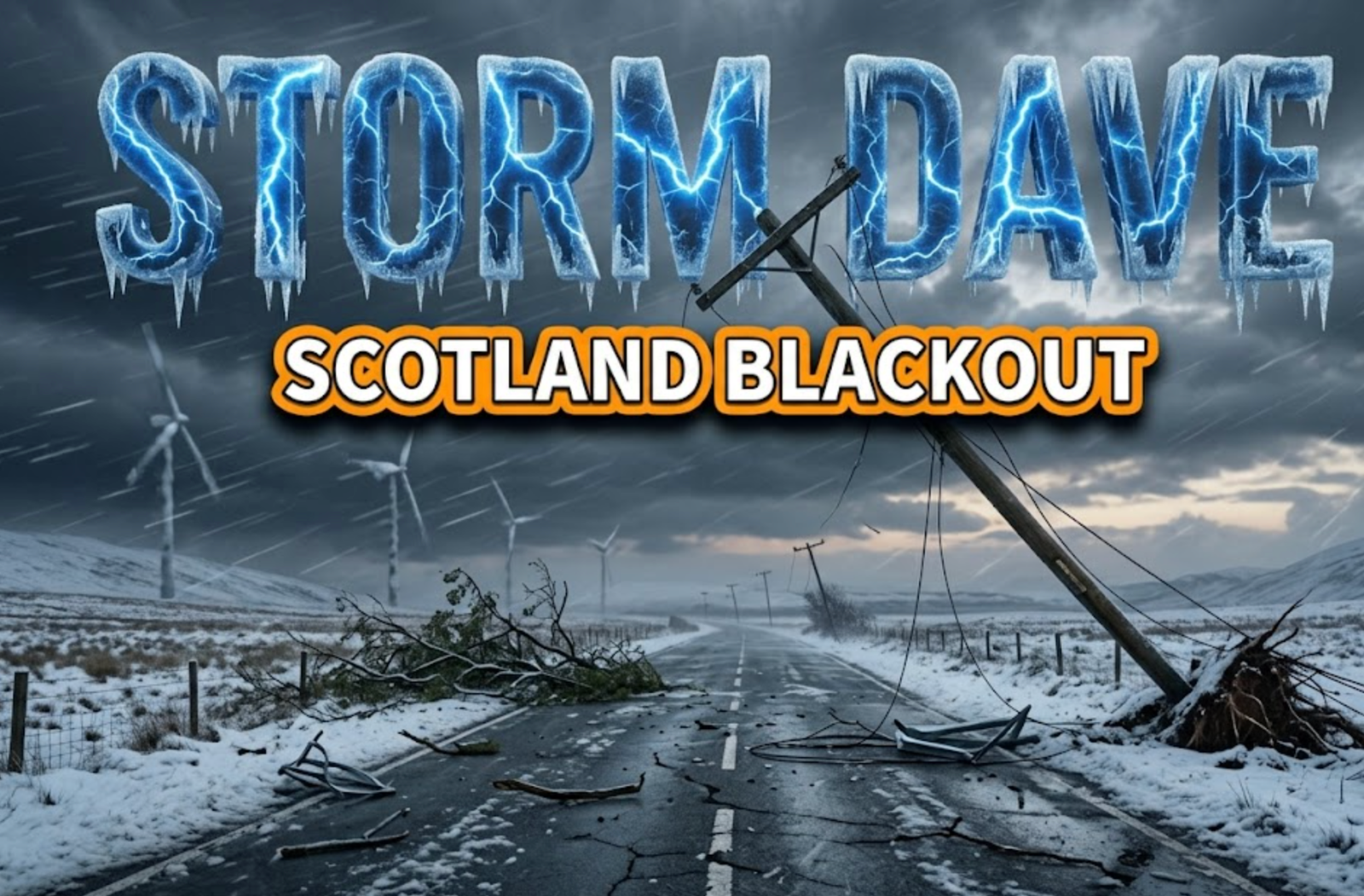
 Scotland faced severe disruption over the Easter weekend as Storm Dave unleashed powerful winds, heavy snowfall, and relentless rain across the nation. Thousands of homes lost power, major roads were blocked, and transport networks ground to a halt as emergency crews scrambled to respond to one of the most challenging weather events in recent months.
Thousands Left Without Power Across Scotland
Strong winds tore through southern and western Scotland, ripping down power lines and leaving entire communities in darkness. Fallen trees and flying debris damaged critical electricity infrastructure, cutting power to thousands of households just as families were settling in for the Easter holiday.
Utility engineers worked through harsh conditions overnight to restore electricity. The Highlands, Argyll, and surrounding western areas bore the brunt of the outages, with both cities and remote villages affected.
Restoration efforts prioritized vulnerable residents and critical services. However, challenging weather and difficult terrain slowed progress in isolated locations. Most affected homes received power by late Sunday evening, though some remote regions faced extended delays.
Residents experiencing outages can call 105, the national electricity helpline, for updates and support. Authorities stressed the importance of staying informed through official channels including the Met Office and Scottish Environment Protection Agency.
Major Routes Blocked as Transport Networks Collapse
Travel chaos erupted as Storm Dave battered road and rail infrastructure. Key arteries including the A8, A83, and A87 were temporarily blocked by fallen trees and dangerous conditions before eventually reopening.
Wind restrictions were imposed on major crossings:
- Forth Road Bridge experienced severe gusts requiring vehicle restrictions
- Tay Road Bridge enforced similar safety measures
- Multiple smaller bridges closed temporarily to high-sided vehicles
ScotRail implemented emergency speed restrictions across large sections of its network, causing significant delays. Passengers faced cancellations and revised timetables throughout the weekend.
Ferry operator CalMac suspended numerous sailings as rough seas made crossings unsafe. While some routes resumed service as conditions improved, island communities remained partially cut off.
Transport Scotland urged travelers to check conditions before departure and allow extra time for essential journeys.
Highland Communities Buried Under Heavy Snowfall
The Highlands and Moray region woke to heavy snow cover after overnight precipitation. Glasgow residents experienced unusual Easter morning sleet and snow, creating treacherous conditions.
The Met Office issued a yellow warning for snow alongside an amber alert for dangerous winds. Elevated areas saw temperatures plummet, creating icy surfaces that made driving extremely hazardous.
The sudden weather shift caught many off guard. Road crews worked continuously to clear routes and apply treatments, but the combination of snow, wind, and rain created challenging conditions across multiple elevation zones.
Flood Warnings Issued as Rivers Rise
The Scottish Environment Protection Agency activated multiple flood warnings, with Tayside facing the highest risk. Rivers including the Isla and Earn recorded rapidly rising water levels following sustained heavy rainfall.
Lower-level flood alerts extended across northern and western Scotland. Emergency teams monitored vulnerable communities closely, particularly in areas with known flood risks.
Agricultural land faced waterlogging, while residential areas near riverbanks prepared for potential evacuation. Authorities warned that the flood risk would persist even as the storm moved away, with saturated ground unable to absorb additional rainfall.
Communities with flood defenses activated emergency protocols. Sandbags were distributed to at-risk properties, and coordination between local councils and emergency services intensified.
Storm Expected to Clear as Conditions Improve
Storm Dave began moving northeast Sunday morning, bringing gradual improvement to most areas. Sunshine broke through in places, though blustery showers continued across the region.
The Met Office confirmed the system would clear completely by Monday, leaving behind typical early April conditions. Northern areas would continue experiencing heavier showers and colder temperatures, while southern regions would see temperatures return to seasonal averages.
Cleanup operations began in earnest as winds subsided. Councils deployed teams to clear debris, assess damage, and restore normal services. Insurance companies prepared for a surge in claims from storm damage.
The multi-agency response involved coordination between utility companies, transport operators, emergency services, and local authorities. Lessons from previous severe weather events helped streamline the response, though the Easter timing complicated resource allocation.
As Scotland recovers from Storm Dave’s impact, communities are assessing damage and preparing for the cleanup ahead. The storm serves as a stark reminder of the power of severe weather to disrupt modern infrastructure and daily life. Emergency services demonstrated remarkable coordination under pressure, prioritizing public safety and essential services restoration. While most areas are returning to normal, some remote communities face days of continued disruption as repair work continues in challenging terrain.
Share your Storm Dave experience in the comments below and stay safe as cleanup operations continue across Scotland.
 Scotland’s Facial Recognition Push Sparks Mask Ban Call
  Galaxy Z Flip 8 Hits $799 Only If Your Trade-In Qualifies
  If England Had Kept Water Public Like Scotland
  Samsung Smart Switch Now Moves Passwords and eSIM From iPhone
  Old Firm Spend Pulls Clear as Premiership Rivals Patch Squads
  Chinese Studios Quietly Seize the Gamescom Stage