
 Zane Lee
 Val McDermid, Britain’s undisputed queen of crime writing, has just dropped her eighth Karen Pirie novel, Silent Bones. Within days of release it has shot to the top of the bestseller lists while triggering a fierce political row. A left-wing reviewer has accused the author of letting Scotland’s ruling class off the hook and peddling a naive liberal fantasy about Syria. Fans, meanwhile, are calling it her darkest, most gripping book yet.
A Mudslide Starts the Nightmare
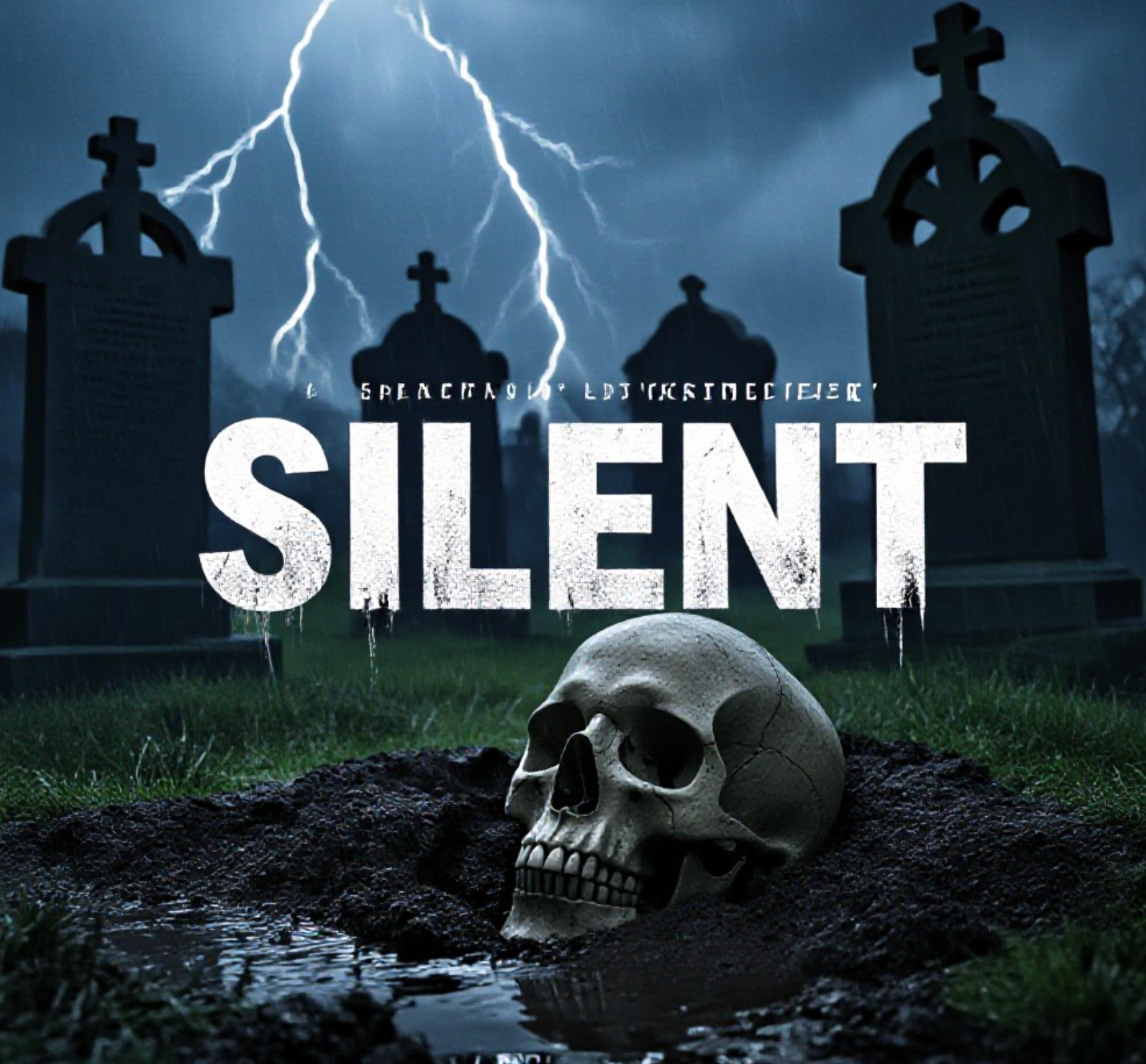
The story opens with a violent storm ripping through the Pentland Hills near Edinburgh. A mudslide exposes human remains wearing the clothes of Lucy Vaughan, an investigative journalist who vanished five years earlier while probing shady property deals linked to senior Scottish politicians.
At the same time, the death of a luxury hotel manager on the Isle of Skye, originally ruled accidental, begins to look suspiciously staged. DCI Karen Pirie and her Historic Cases Unit are dragged into both inquiries and quickly discover the cases are joined by an invisible thread of money, power and fear.
The Justified Sinners: Scotland’s Real-Life Elite Vice Club
The beating heart of the book is a secret society calling itself the Justified Sinners, a nod to James Hogg’s 1824 classic Confessions of a Justified Sinner. This modern version is an invitation-only club for wealthy, influential men who believe Calvinist predestination gives them a free pass to commit any sin safe in the knowledge they are among the “elect”.
McDermid uses the group to expose match-fixing, high-stakes illegal betting, violent sexual assault at a pro-independence rally, and the routine cover-up of crimes by people who consider themselves untouchable. Readers have compared the Justified Sinners to the Epstein network and the darkest corners of the Bullingdon Club rolled into one very Scottish nightmare.
One early reviewer described the scenes set inside the club as “so convincing you’ll want to shower after reading them”.
Karen Pirie Like You’ve Never Seen Her Before
For the first time in the series, Karen Pirie is properly vulnerable. Still reeling from the death of her lover in a previous book, she begins a passionate relationship with a Syrian refugee only to end it abruptly when he reveals he supports the post-Assad government.
That subplot has caused the biggest storm. In a blistering review for the Morning Star, critic Brent Cutler called McDermid’s portrayal of Syria “pure liberal delusion”, accusing her of ignoring the persecution of Christians, Druze and Alawites under the new regime and its cosy deals with Israel.
McDermid has not yet responded publicly, but friends say she stands by every word in the book.
Scottish Law Versus English Law: A Key Plot Engine
Silent Bones also shines a spotlight on the real differences between Scots and English criminal procedure. In Scotland police can arrest on “reasonable suspicion” alone; in England they must prove the arrest is strictly necessary. McDermid uses this gap brilliantly to ramp up pressure on suspects who know the Scottish system gives detectives far more room to manoeuvre.
Legal experts have praised the accuracy. One senior advocate told The Scotsman: “She’s absolutely nailed how the Scottish rules can terrify the guilty when they’re used properly.”
Early Verdict: McDermid’s Best in a Decade
Despite the political flak, the critical reception has been ecstatic.
The Guardian called it “McDermid at her most ferocious”. The Times said “Silent Bones proves yet again why she is the finest crime writer Britain has produced since Rankin”. Sales figures released this week show it has already outsold Past Lying, the previous Karen Pirie title, in its first seven days.
Readers on social media are devouring it. The hashtag #SilentBones is trending across Scotland, with hundreds posting photos of the book beside Edinburgh’s Greyfriars Kirkyard, where skull-and-crossbones gravestones feature heavily in the story.
Val McDermid has always said she writes about power and who wields it. With Silent Bones she has held a mirror up to Scotland’s elite and shown a reflection many of them will not want to recognise. Whether you see the book as fearless truth-telling or comfortable liberal hand-wringing, one thing is certain: nobody does it better.
What did you make of Silent Bones? Did the Justified Sinners chill you to the bone? Drop your thoughts below, and if you’re posting on social media use #SilentBones so we can all find each other.
 GTA Online Summer Heist Event Doubles Classic Finales Cash
  Samsung Galaxy F70 Pro Tease Locks Flipkart While M47 Holds Amazon
  Meta AI Glasses Turn Delhi Protests Into Walking Cameras
  India’s Net Neutrality Review Follows Airtel Slicing Gap
  Galaxy Z Fold 8 Preorders Race Past S26 Benchmarks
  Maruti Hansalpur Plant D Lifts Capacity Toward Four Million