
 Zane Lee
 Scotland just became the first nation in the United Kingdom to legalize water cremation, giving families a gentler, greener choice at the end of life. The landmark decision ends more than 120 years without a new funeral option and answers growing calls for methods that respect both the planet and personal beliefs.
The Scottish Parliament approved alkaline hydrolysis on Monday, instantly making it the third legal way to say goodbye alongside burial and flame-based cremation.
What Exactly Is Water Cremation?
Water cremation, also called alkaline hydrolysis or resomation, uses warm water mixed with a small amount of potassium hydroxide to gently break down the body in about four hours.
The process happens inside a sealed stainless-steel vessel at around 150°C. Soft tissue dissolves into a sterile liquid that is safely returned to the water cycle. Only the bones remain, which are then dried, processed into ash, and returned to the family exactly like traditional cremation.
Families receive the same keepsake: a small urn of white, fine ashes that feel softer and more abundant than flame-cremated remains.
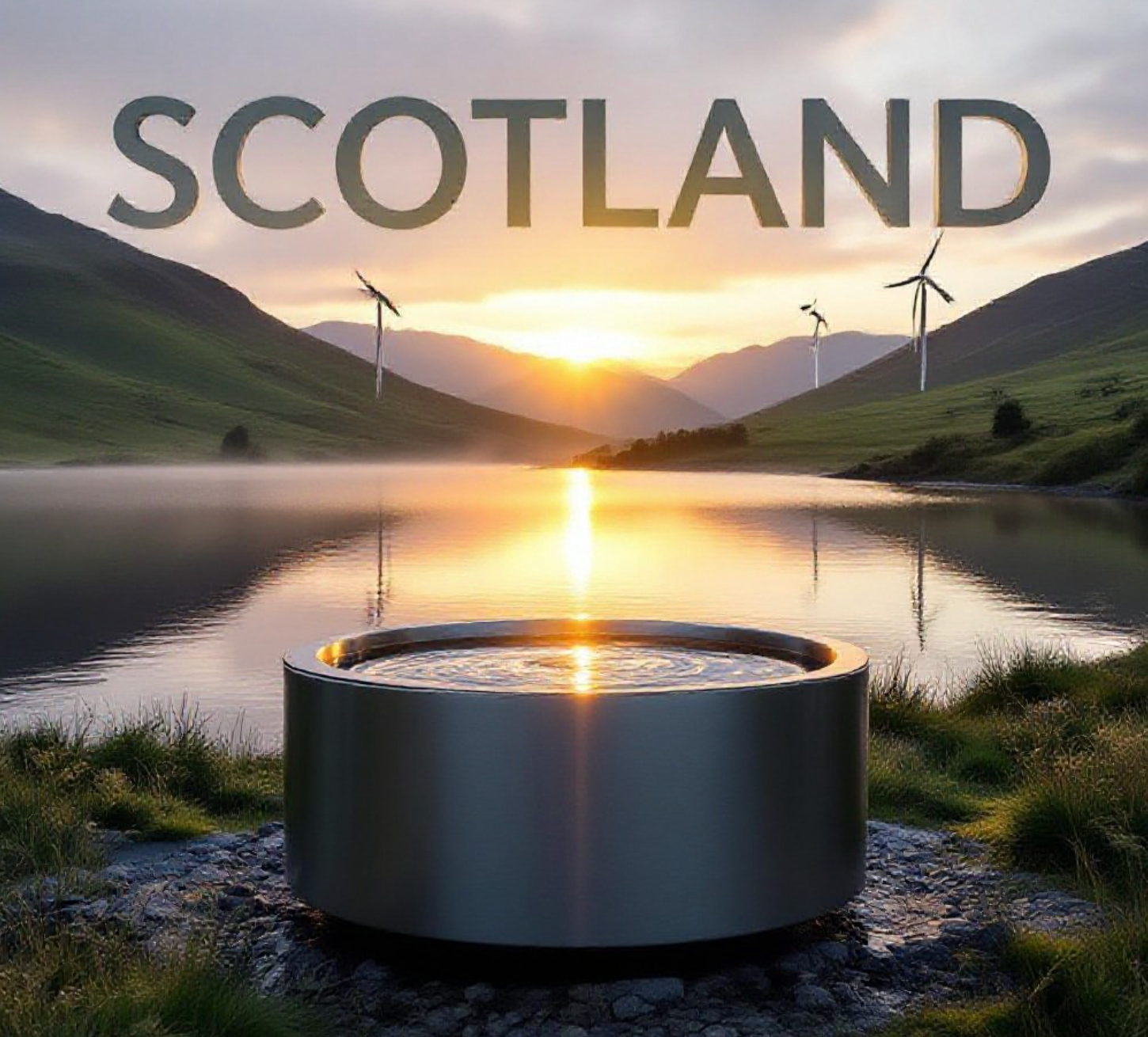
Why Scotland Moved First
Public Health Minister Jenni Minto told reporters the change reflects what Scots actually want.
“People kept telling us they wanted another choice that felt kinder to the earth,” she said. Surveys showed seven out of ten Scots supported the option once they understood it.
Scotland already leads the UK in climate goals. Adding water cremation cuts the carbon footprint of each funeral by roughly 75 percent compared to flame cremation and uses one-tenth the energy.
One traditional cremation releases about 245 kg of CO₂. Water cremation produces just 62 kg, mostly from electricity that will soon come from Scottish wind farms.
How Much Greener Is It Really?
Here are the hard numbers families are sharing online right now:
- Uses 90 percent less energy than flame cremation
- Zero mercury emissions (no dental fillings vaporized)
- No direct greenhouse gases from burning
- Pacemakers and joint replacements don’t need removal
- Liquid by-product is sterile and safe for wastewater systems
Several Scottish funeral directors say clients who pre-planned green funerals have waited years for this exact moment.
When Can Families Actually Choose It?
Kindly Earth, the only company licensed to supply the equipment in the UK, expects the first facility to open in Glasgow or Edinburgh by late 2026 or early 2027.
At least six funeral homes have already signed letters of intent. Prices are expected to match or slightly undercut traditional cremation, somewhere between £3,500 and £5,500 depending on the package.
Helen Chandler, general manager at Kindly Earth, called it “the biggest change to funeral choice since 1902.” She stressed no one is trying to replace burial or cremation, just add one more door for families to walk through.
A Deeply Personal Moment Meets Modern Values
Many people planning their own funerals today grew up recycling, flying less, and switching to electric cars. They want their final act to match the life they lived.
One Edinburgh woman told the BBC she chose water cremation because “I brought my children into the world gently. I want to leave it the same way.”
Scotland’s decision feels like the country saying yes to that feeling.
The quiet revolution in how we say goodbye has officially begun north of the border. For the first time in over a century, families have real choice that honors both their loved ones and the living planet.
What do you think about water cremation? Would you choose it for yourself or someone you love? Drop your thoughts below; many readers are already talking about it with their families tonight.
 Windows 11 KB5095093 Lands With Point-in-Time Restore and 35-Day Pause
  Meta Cuts Smart Glasses to $299 to Outflank Snap and Apple
  Messi Leads the 2026 World Cup Golden Boot Race After Two Matches
  Australia March On as Athapaththu Ton Lights Up T20 World Cup
  Galaxy Z Fold 8 Leak Reveals Colors, Storage, and a New Ultra Variant
  Ronaldo’s Six-World-Cup Record Leads a Matchday Full of Milestones