
Scotland has officially become the first nation in the United Kingdom to legalise water cremation, offering a groundbreaking eco-friendly alternative to traditional burial and flame cremation. As of today, Monday, March 2, 2026, the process known scientifically as alkaline hydrolysis is a lawful option for bereaved families, marking the most significant shift in British funeral practices in over 120 years.
This historic move aligns Scotland with other progressive nations like Canada, South Africa, and parts of the United States, where the gentle power of water is already used to say final goodbyes. With environmental concerns rising and space in cemeteries shrinking, this new method promises a sustainable solution that treats the deceased with dignity while protecting the planet for future generations.
Understanding the Hydrolysis Process
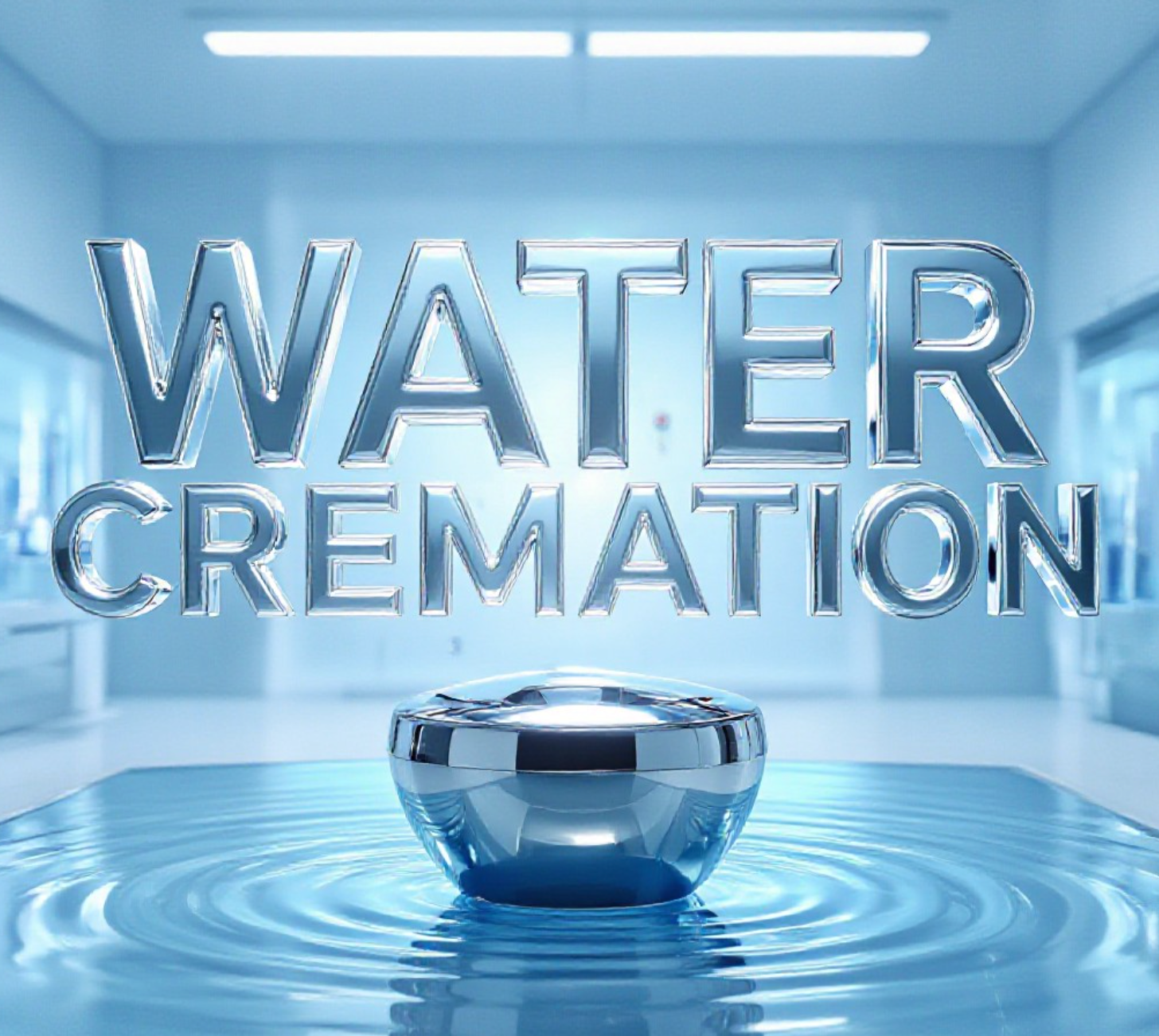
For many, the concept of “water cremation” might sound unfamiliar, but the science behind it is both simple and respectful. The process, often called by brand names like Resomation or Aquamation, uses water, heat, and alkaline chemicals to accelerate the natural decomposition that occurs during burial. Instead of taking years, however, this method completes the transition in just about four hours.
When a family chooses this option, the deceased is gently wrapped in a biodegradable shroud made of silk or wool. The body is then placed into a sterile stainless steel chamber. Operators fill this chamber with a mixture of approximately 95% water and 5% potassium hydroxide or sodium hydroxide. The solution is heated to around 150°C (302°F), but the pressure inside the vessel prevents the liquid from boiling, ensuring a quiet and controlled environment.
Over the next few hours, the alkaline solution works to break down the soft tissues of the body into their chemical building blocks—amino acids, peptides, sugars, and salts. It effectively mimics what happens in the soil, just much faster. Once the cycle is finished, the liquid, now sterile and free of any DNA, is safely drained into the wastewater treatment system.
What remains in the chamber are the bones, similar to what is left after a flame cremation. These bone fragments are pure calcium phosphate. They are rinsed, dried, and processed into a fine white powder. This “ash” is then returned to the next of kin in an urn, allowing families to scatter them or keep them just as they would with traditional ashes. The key difference is that the remains from water cremation are often whiter and more plentiful, as the process is gentler on the bone structure.
A Greener Farewell for the Planet
The primary driver behind this legislative change is the urgent need for more sustainable funeral practices. Traditional methods come with a heavy environmental price tag. Flame cremation releases significant amounts of carbon dioxide and can emit vaporised mercury from dental fillings into the atmosphere. Burial, on the other hand, takes up valuable land and can risk groundwater contamination from embalming fluids.
Water cremation offers a solution that drastically reduces this ecological footprint.
- Carbon Reduction: Studies indicate that hydrolysis produces approximately 35% less greenhouse gas emissions compared to flame cremation.
- Energy Efficiency: The process uses about one-seventh of the energy required to run a gas-fired cremator.
- Zero Airborne Emissions: Because there is no burning, there are no harmful emissions of mercury or dioxins released into the sky.
- Safe for Water Systems: The leftover liquid is completely sterile and contains nutrients, posing no threat to the water cycle once treated.
The table below highlights the environmental differences between the three main options now available in Scotland:
| Feature | Traditional Burial | Flame Cremation | Water Cremation |
|---|---|---|---|
| Carbon Footprint | High (maintenance/land) | High (gas usage) | Low (electricity/water) |
| Air Pollution | Low | High (Mercury/CO2) | None |
| Land Use | High (permanent plot) | None (if scattered) | None (if scattered) |
| Byproducts | Methane potential | Toxic gases | Sterile liquid |
This “greener death” appeals to a growing demographic of eco-conscious citizens. By choosing water over fire, individuals can ensure their final act on earth does not contribute further to climate change.
Public Support and Strict Regulations
The path to today’s legalisation has been paved with careful consultation and public dialogue. The Scottish Government spent years analysing the safety, ethics, and public appetite for such a change. A major consultation carried out in 2023 revealed overwhelming backing, with 84% of respondents supporting the introduction of hydrolysis.
Jenni Minto, Scotland’s Public Health Minister, emphasised that this decision is fundamentally about giving people agency over their final journey.
“The choices people make about their remains prior to death are deeply personal, shaped by individual values, beliefs and the wishes of their families,” Minto said today. “Hydrolysis offers a new, environmentally friendly alternative to burial or cremation, responding to significant public support for greater choice, and it will be the first new option available for over 120 years.”
To address any concerns about dignity, the Scottish Parliament has approved a robust set of regulations. These rules ensure that water cremation facilities operate under the same strict ethical standards as crematoriums and burial grounds. Inspectors will monitor the process to guarantee that every deceased person is treated with the utmost care and respect.
Critics in the past have voiced hesitation about the “drain” aspect of the process. However, industry experts and water companies have assured the public that the effluent is chemically comprised of simple nutrients, no different than other biodegradable waste streams managed daily by treatment plants. The rigorous testing phase proved that no DNA or harmful pathogens survive the process, making it completely safe for the public water system.
When Will Services Begin?
While the legislation is effective from today, March 2, families will need to wait a few more months before the first water cremation actually takes place. Funeral directors and new facilities must now secure the final necessary consents and complete the installation of the specialized chambers.
Industry leaders expect the first procedures to be scheduled for this summer. Co-op Funeralcare, the UK’s largest funeral provider, has been a vocal advocate for this change and is expected to be among the first to offer the service. They have previously stated that they want to make the “green goodbye” affordable and accessible, likely pricing it in line with traditional cremation to encourage uptake.
The arrival of water cremation in Scotland also sets a precedent for the rest of the UK. While currently only legal north of the border, funeral providers in England and Wales are watching closely. The Law Commission remains in discussions about modernising funeral laws across the wider UK, and a successful rollout in Scotland could pave the way for nationwide adoption in the near future.
For now, Scotland stands at the forefront of this quiet revolution. It has opened the door to a method that honours the dead while preserving the living world they leave behind.
In a world where we strive to live sustainably, Scotland has now made it possible to leave sustainably. This historic day marks a victory for choice, science, and the environment. As the first facilities gear up to open their doors this summer, many Scots will likely find comfort in knowing their final return to nature can be as gentle as water itself.
What are your thoughts on water cremation? Would you choose this eco-friendly option for yourself or a loved one? Share your opinion in the comments below using #WaterCremationScotland to join the conversation.