
 Chris Muir
 Scotland is facing severe travel disruption as an Arctic blast sweeps across the region, bringing heavy snow, ice, and freezing temperatures. The Met Office has issued urgent yellow weather warnings affecting millions of travelers across Scotland and Northern England. Roads are expected to turn hazardous, and public transport faces significant delays through Friday.
Met Office Issues Urgent Warnings for Snow and Ice
The Met Office activated yellow weather warnings for snow and ice starting Thursday at 4pm across Scotland, extending until midday Friday. An Arctic Maritime air mass is pushing southward, transforming rain showers into dangerous snow and ice conditions.
Snow accumulation forecasts show alarming figures. Low-lying areas can expect 1 to 2 centimeters of snow, while higher ground above 300 meters could see up to 5 centimeters. Isolated hilltop locations may receive up to 10 centimeters, creating treacherous conditions for motorists and pedestrians alike.
Northern England faces similar threats with warnings active from 7pm Thursday. The region will experience a dangerous mix of snow, sleet, and freezing rain creating icy surfaces across roads and footpaths.
Transport officials are bracing for widespread disruptions. Road closures, public transport delays, and potential accidents are expected as temperatures plummet and surfaces freeze.
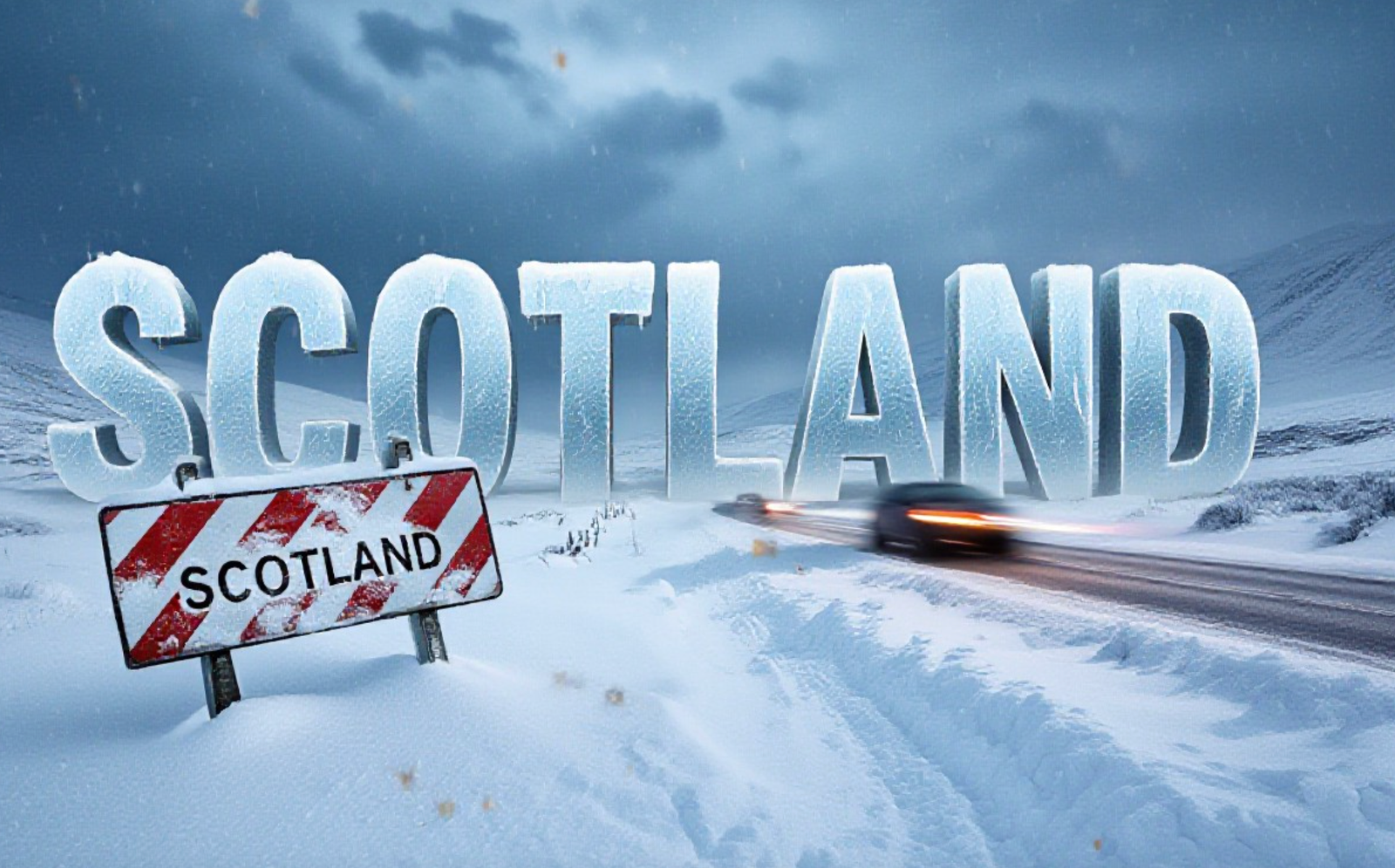
Dangerous Road Conditions Threaten Travelers
Motorists across Scotland face exceptionally hazardous driving conditions as the Arctic weather system takes hold. Police Scotland has urged drivers to reconsider non-essential journeys and prepare emergency kits if travel is unavoidable.
The combination of fresh snowfall and black ice presents a deadly combination. Salt treatments may prove less effective in the extreme cold, particularly on secondary roads and rural routes.
Key safety measures for drivers include:
- Check weather forecasts and road conditions before departure
- Pack winter emergency supplies including blankets, food, and water
- Allow extra travel time and reduce speed significantly
- Maintain greater distances between vehicles
- Keep fuel tanks at least half full
Transport Scotland has activated winter response teams to treat priority routes. However, resources are stretched across the vast Highland regions where snow accumulation will be heaviest.
Airports and Rail Networks Face Major Disruptions
Edinburgh and Glasgow airports have issued advance warnings about potential flight delays and cancellations. Ground crews are working extended shifts to keep runways clear, but severe weather may force temporary closures during peak snowfall periods.
Airlines are offering flexible rebooking options for passengers affected by the weather warnings. Travelers scheduled to fly Thursday evening or Friday morning should monitor their flight status closely and arrive earlier than usual to account for slower ground transportation.
ScotRail has reduced service frequencies on several routes across the network. Highland lines are particularly vulnerable, with speed restrictions implemented to ensure passenger safety. Some rural services may be suspended entirely if conditions deteriorate beyond safe operating parameters.
Rail passengers should expect:
- Reduced train frequencies on all routes
- Speed restrictions causing longer journey times
- Possible cancellations on exposed Highland services
- Limited seat availability due to shorter train formations
The disruption extends to cross-border services connecting Scotland with England. Virgin Trains and LNER have both warned of possible delays affecting services between Edinburgh, Newcastle, and London.
Tourist Attractions and Outdoor Activities at Risk
Scotland’s tourism industry faces significant challenges as the Arctic conditions sweep across popular visitor destinations. Historic sites, castles, and outdoor attractions are implementing emergency closure protocols to protect visitors and staff.
The Scottish Highlands, normally a magnet for winter tourism, has become particularly dangerous for unprepared visitors. Mountain rescue teams have issued stern warnings against hillwalking, climbing, or venturing into remote areas without proper equipment and experience.
Popular tourist routes including the North Coast 500 and sections of the West Highland Way may become impassable. Visitors planning outdoor activities should postpone plans until conditions improve and official warnings are lifted.
Hotel operators in affected regions are reporting increased cancellations but also offering extended stays for guests unable to travel safely. Many establishments are waiving change fees and providing flexibility for rebooking once weather conditions stabilize.
City tourism in Edinburgh and Glasgow continues with precautions. Museums, galleries, and indoor attractions remain open, though visitor numbers are expected to drop as people avoid unnecessary travel.
Weather System Expected to Clear by Weekend
Meteorologists predict the Arctic blast will move through quickly, with conditions improving significantly by Saturday. Temperatures will gradually rise as milder Atlantic air pushes back against the polar intrusion.
Friday afternoon should see the last of the heavy snow showers taper off across most regions. However, ice will remain a hazard into Saturday morning as overnight refreezing affects treated surfaces.
The Met Office forecasts a return to more typical February weather by the weekend. Temperatures will climb back to normal seasonal averages, and the risk of widespread snow and ice will diminish substantially.
This rapid weather transition brings both relief and continued risks. Melting snow combined with any additional rainfall could create localized flooding in low-lying areas and urban drainage systems.
The Arctic blast serves as a stark reminder of Scotland’s vulnerability to extreme weather events despite its relatively temperate maritime climate. As climate patterns become increasingly unpredictable, authorities emphasize the importance of monitoring weather warnings and preparing for sudden changes in conditions. Travelers planning visits to Scotland in the coming days should stay informed through official channels, maintain flexible itineraries, and prioritize safety over schedules. The dramatic weather has sparked conversations across social media platforms, with residents and visitors sharing experiences and safety tips.
What are your experiences with winter travel in Scotland? Share your tips and stories in the comments below to help fellow travelers stay safe during extreme weather conditions.
 ONGC licence frees Venezuela cash and operatorship talks
  Anthropic Hits $65 Billion Run Rate and Flips the AI Cash Test
  Supreme Court grounds the fare free-for-all with three-week clock
  Gold Nears $4400 as Soft Data Meets Oil Inflation Risk
  Nifty Slips as Zaggle Circuits and Dhoot Debuts Big
  Diesel Crack Tops $100 as Iran Rhetoric Lifts Crude