
 Dayna Bass
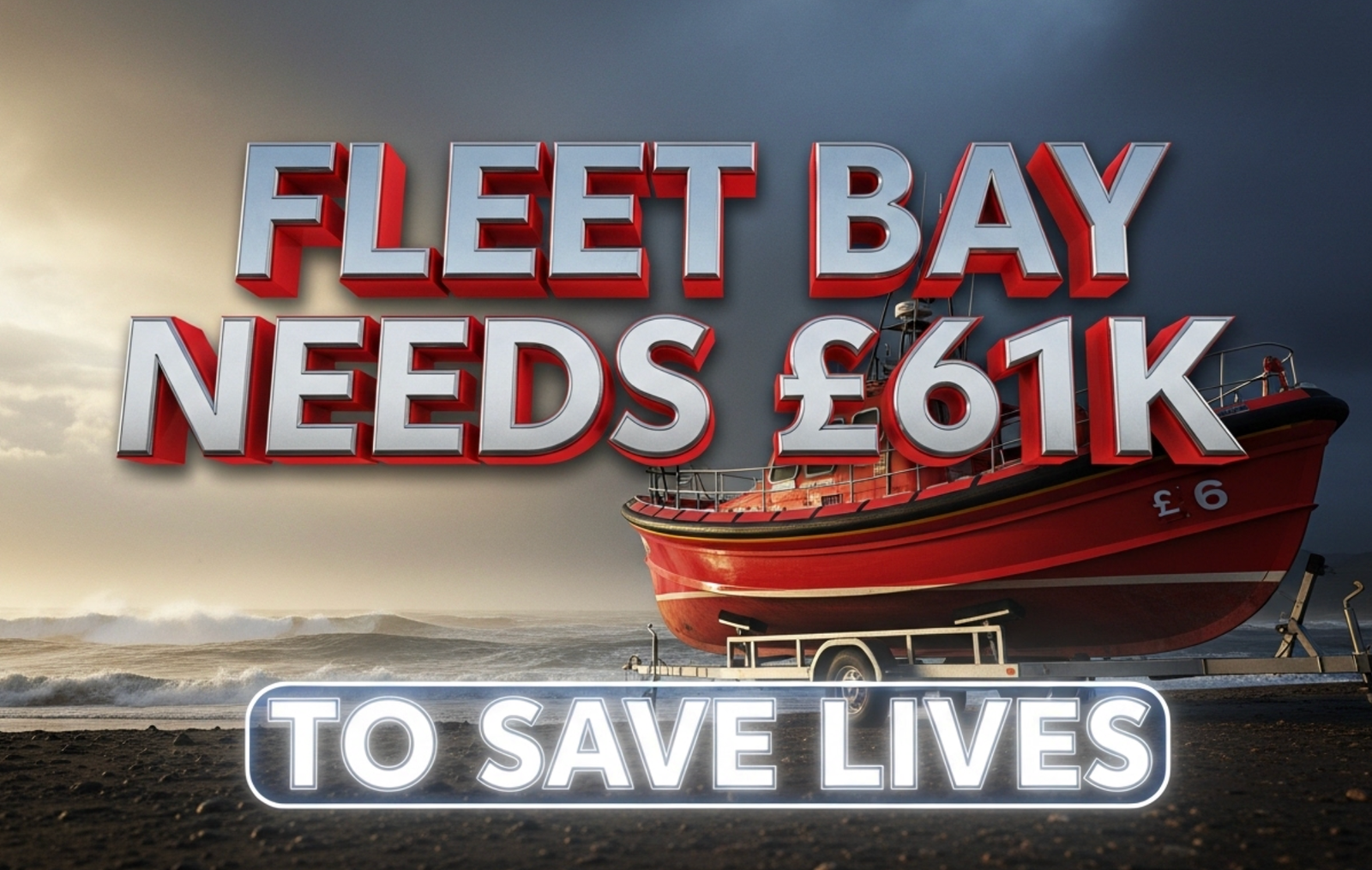
 A beloved independent lifeboat crew that has saved countless lives in south-west Scotland since 1974 has been forced offline by tough new safety rules, leaving Fleet Bay and Wigtown Bay without rapid rescue cover. Response times have jumped from minutes to as long as 90 minutes, and two people have already died in the water this year alone.
Fifty Years of Local Heroes Suddenly Sidelined
The Fleet Bay Inshore Rescue Service, run entirely by volunteers, answered its last official 999 call in 2024. New Maritime and Coastguard Agency regulations demand a modern self-righting boat, updated equipment, and a rebuilt launch station, costing £140,000 in total.
Trustee Duncan McConchie told reporters the change feels like a slap in the face to decades of experience. “We could have someone drowning 100 metres from our station and we are not allowed to launch,” he said. “Local knowledge and speed save lives. Forty or fifty years on these waters suddenly counts for nothing.”
The nearest RNLI station at Kirkcudbright now handles all emergencies in the area. Crews there do outstanding work, but road travel and launch time mean help can take between 45 and 90 minutes in bad conditions.
Two Tragic Deaths Spark Community Outrage
In the past eight months two people lost their lives in Fleet Bay, incidents the local crew believe they could have reached in under ten minutes.
Families of the victims have donated to the rescue service’s “Getting Back On The Water 2026” campaign, turning grief into action. Holidaymakers and residents have also rallied, shocked to learn their familiar red boat sits idle during emergencies.
Original crew member Kerr McConchie, who received the Queen’s Medal for gallantry, still walks past the station daily. “It breaks your heart,” he said. “This boat and these people are part of the community. We are not ready to let them disappear.”
Price Tag to Return to Service: £61,000 Still Needed
The charity has already raised almost £80,000 through grants, local business support, and public donations. They now need just £61,000 more to buy the approved Atlantic 85 lifeboat, kit out the crew with modern safety gear, and upgrade the station building.
Key costs include:
- New self-righting Atlantic-class lifeboat: £110,000
- Safety equipment and personal kit: £18,000
- Station improvements and training: £12,000
Every pound brings the crew closer to launching again under full Coastguard approval.
Coastguard Says Safety Must Come First
A Maritime and Coastguard Agency spokesperson stressed that standards have risen across Britain to protect volunteers as well as the public. “We are working closely with Fleet Bay Inshore Rescue and fully support their return to service once they meet the current code,” the statement read.
Independent lifeboat teams around the UK have faced similar challenges in recent years, with several closing permanently. Fleet Bay trustees are determined not to become another statistic.
The difference between life and death in these quiet bays now rests on public generosity. As one donor wrote on the fundraising page: “We come here every summer because it feels safe. Please help keep it that way.”
The crew stands ready. The boat is waiting. All that is missing is the final £61,000 to bring them home.
If this story moves you, share your thoughts below and help spread the word using #SaveFleetBayLifeboat on social media. These volunteers have guarded the coast for half a century. Now they need us to guard them.
 One UI 9’s Privacy Display Fix Reaches Just One Galaxy Phone
 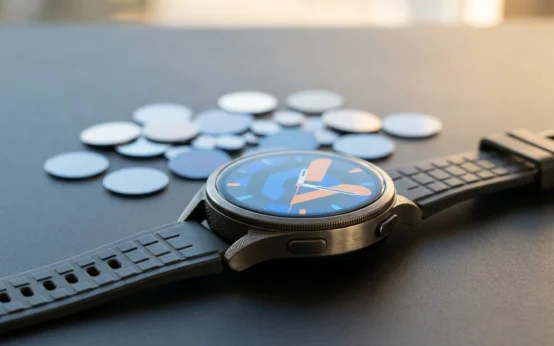 Samsung Drops Its Own Exynos Chip for the Galaxy Watch9 and Ultra 2
  Marathon’s Vault Breaker Arrives as Bungie’s Bigger Bet Keeps Faltering
  Sony’s PlayStation Disc Cutoff Erases the Last Proof of Ownership
  Tesla’s Summer Update Hands Grok the Keys, and Musk’s Empire More Reach
  Apple’s $634 Million Masimo Payment Is Final After Appeal Denial