
The United Kingdom is shifting from a harsh cold snap to milder but stormy weather, with wet and windy conditions taking over after Storm Goretti caused widespread chaos. As of January 12, 2026, forecasters report the end of freezing temperatures, but warn of heavy rain, strong winds, and potential flooding across many regions.
Storm Goretti’s Lingering Effects
Storm Goretti struck hard last week, bringing heavy snow, ice, and winds up to 99 miles per hour in southwest England. This led to major disruptions, including power cuts for tens of thousands of homes and school closures nationwide.
In Cornwall, officials described the event as one of the worst in recent memory. Crews cleared fallen trees and repaired damage around the clock. A tragic incident occurred when a tree fell on a caravan, killing a man in the Mawgan area.
Power outages affected over 57,000 properties at the peak, mainly in the south west, Midlands, and Wales. The National Grid has restored electricity to most, but some areas still face issues. Rail services halted, flights canceled, and roads blocked due to snow and debris.
Recent reports show similar storms in past years, like Storm Gerrit in 2023, which also caused travel woes and power failures. Experts link these patterns to changing climate, with more frequent extreme weather events hitting the UK.
Shift to Milder Yet Unsettled Weather
The cold air from Scandinavia is now giving way to milder Atlantic flows. Temperatures are rising to 9 to 11 degrees Celsius in the south and 6 to 8 degrees elsewhere, a big jump from sub zero levels last week.
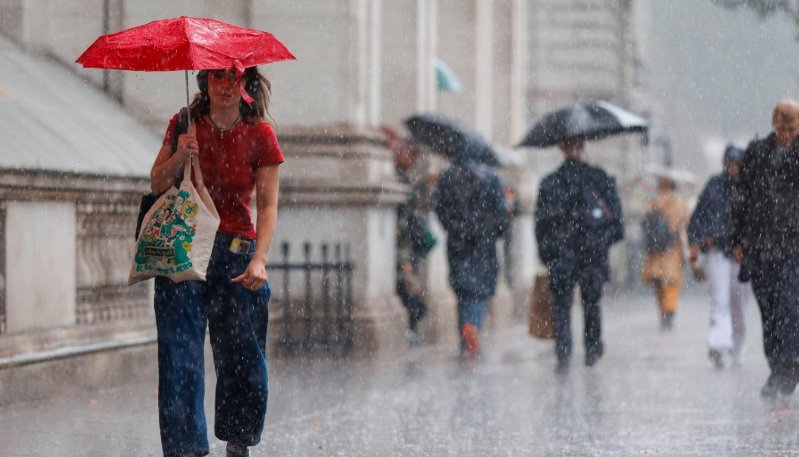
Forecasters predict rain and blustery winds for Sunday and into the week. Yellow warnings for rain and wind cover much of the country, set to end by Monday morning. An amber warning for snow and ice in northwest Scotland was downgraded.
This change brings relief from ice but new challenges. Social media buzzes with user posts about the sudden shift, sharing photos of melting snow and concerns over slippery paths.
Flooding Risks on the Rise
With snow melting fast under warmer air, flooding becomes a key worry. Heavy rain could worsen this, especially in areas hit hard by recent snowfall.
The Environment Agency has issued flood alerts in several spots, urging people to check local updates. Past events, like the 2024 floods in northern England, show how quick melts can overflow rivers and disrupt communities.
To prepare, residents should:
- Secure outdoor items against wind.
- Avoid low lying roads prone to floods.
- Keep emergency kits ready with flashlights and water.
Logical reasoning suggests rural areas with deep snow drifts face higher risks. Urban centers like London report more slips on ungritted pavements, with a surge in related injuries.
Travel and Infrastructure Disruptions
National Rail warns of possible delays until Monday due to weather impacts. Storm Goretti closed schools and shut down Birmingham Airport temporarily.
Road users face hazards from standing water and gusts. Air travel saw cancellations, stranding passengers.
Here’s a quick overview of affected sectors:
| Sector | Main Issues | Current Status |
|---|---|---|
| Power | Outages in 20,000+ homes | Most restored, ongoing fixes |
| Transport | Rail and flight delays | Disruptions until Monday |
| Education | Hundreds of school closures | Reopening expected soon |
| Roads | Blocked by snow and trees | Clearance in progress |
These issues echo broader trends, with climate reports noting increased storm frequency since 2020.
Outlook for the Coming Days
Next week looks unsettled with continued wind and rain, but no return to extreme cold. Long range forecasts up to 28 days suggest variable conditions, milder overall.
Experts advise staying informed through official channels. This shift aligns with global patterns, where warmer winters lead to more precipitation events.
What do you think about this weather change? Share your experiences in the comments and pass this article to friends facing similar conditions.