

Scotland has inked a major agreement with the United Arab Emirates to boost ties in the space sector. Signed on December 15, 2025, this deal between Space Scotland and the Mohammed Bin Rashid Space Centre aims to enhance cooperation in satellite manufacturing, launch services, and research, opening doors for new business and innovation.
Details of the New Agreement
This letter of intent marks a big step for both nations. It focuses on joint efforts in building satellites and sharing knowledge. Officials say it will lead to more trade and events that help companies grow.
The partnership comes at a time when Scotland’s space industry is booming. With ambitions to lead in small satellite production, Scotland sees this as a way to tap into the global market, expected to hit over 1.3 trillion pounds by 2035.
Scotland’s government highlights how the deal aligns with UAE’s goals in space exploration. The UAE has made strides in lunar missions and Earth observation, making this a smart match for mutual growth.
Why This Matters for Scotland
Scotland’s space sector has grown fast in recent years. It now supports thousands of jobs and drives innovation in tech like data services and sustainable space tools.
This agreement builds on past ties. For example, earlier in 2025, Scotland and the UAE teamed up on clean energy and AI projects. These moves show a pattern of working together beyond traditional oil trade.
Experts point out that such deals help Scotland punch above its weight. The industry could add billions to the economy and create up to 20,000 jobs in the next decade.
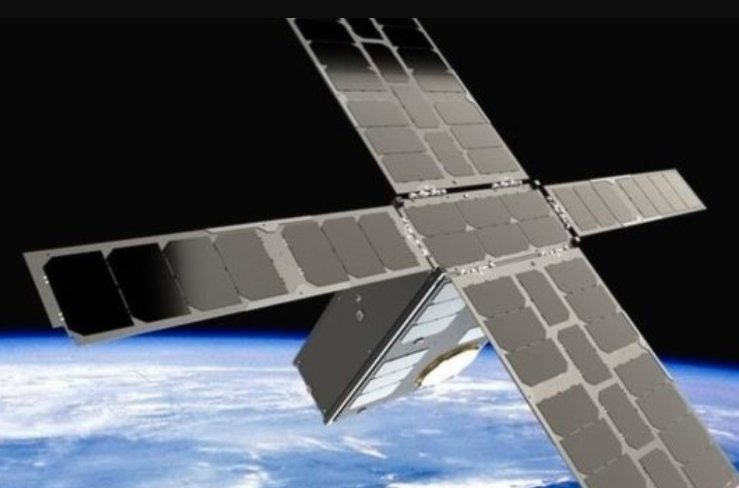
- Satellite manufacturing: Joint projects to build and launch small satellites.
- Research sharing: Collaboration on space science and data analysis.
- Business events: Planned workshops and trade fairs to connect firms.
UAE’s Role and Ambitions
The UAE has become a key player in space. Its Mohammed Bin Rashid Space Centre leads efforts in ambitious programs, including Mars missions and satellite networks.
This deal lets the UAE access Scotland’s skills in small satellites. In return, Scotland gains from UAE’s investments and launch capabilities.
Recent UAE launches, like the Thuraya 4 satellite in early 2025, show its rapid progress. Pairing this with Scotland’s tech could speed up advancements for both.
The partnership also ties into broader goals. The UAE aims to diversify its economy, and space is a big part of that plan.
Economic Impact and Future Outlook
Analysts predict strong economic benefits. The global space market is set to grow, and this deal positions Scotland well to grab a share.
For businesses, it means new chances for contracts and funding. Scottish firms in satellite tech could see exports rise, while UAE investments might flow into Scottish projects.
| Aspect | Scotland’s Strengths | UAE’s Strengths | Potential Outcomes |
|---|---|---|---|
| Satellite Production | Leader in small satellites | Advanced manufacturing | Joint factories and tech sharing |
| Launch Services | Developing capabilities | Established programs | Shared launches and cost savings |
| Research | Data-driven services | Deep space missions | New innovations in Earth observation |
| Economic Growth | Job creation up to 20,000 | Diversification from oil | Billions in trade value |
This table shows how the strengths align. It could lead to breakthroughs in areas like climate monitoring and telecom.
Looking ahead, more deals might follow. With events like Space-Comm Expo in Glasgow planned for December 2025, the momentum is building.
Challenges and Broader Context
No partnership is without hurdles. Issues like regulatory differences and tech standards need addressing. Both sides must work to smooth these out.
This fits into global trends. Countries worldwide are ramping up space efforts, from the US to Europe. Scotland’s move with UAE shows smart positioning in this race.
Recent UK investments, like 261 million pounds for space programs in 2025, add support. It helps Scotland stay competitive.
In a changing world, such collaborations solve real problems. They boost tech that aids everyday life, from better weather forecasts to improved connectivity.
What do you think about this space partnership? Share your views in the comments and spread the word to keep the conversation going.


