
 Dayna Bass
 Scotland’s health secretary Neil Gray announced on October 28, 2025, a major funding boost of £531 million for GP surgeries to hire more staff over the next three years. This move aims to ease access to family doctors and strengthen community health services amid ongoing pressures on the NHS.
Funding Details and Breakdown
The investment marks the largest ever in core GP services in Scotland. It will help recruit additional doctors and support staff starting next year. Officials say this cash injection addresses years of underfunding and supports digital tools like electronic prescriptions.
The funding rolls out in stages tied to future budgets. In the first year, practices get £98 million. This rises to £183 million the next year and peaks at £249 million in the third year. These amounts focus on recruitment rather than direct pay rises for existing staff.
Experts note that this builds on earlier support. For instance, GPs and their teams received a £46 million uplift for pay and expenses earlier this year. Another £15 million comes in 2025-26 for quick hiring needs.
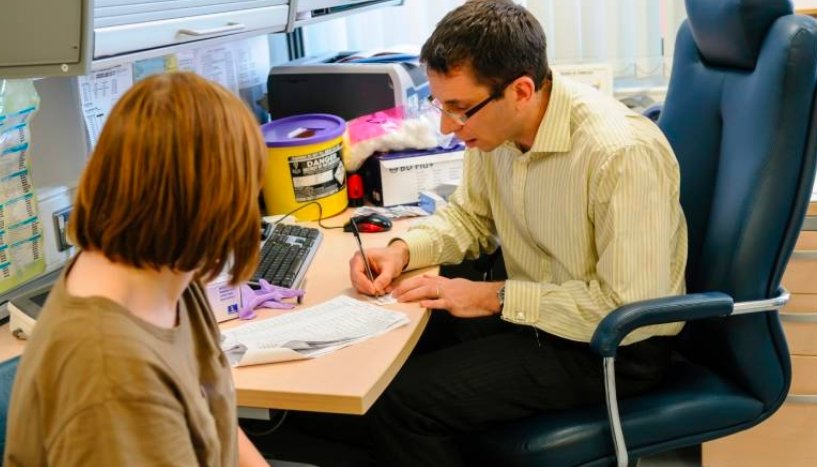
Here is a simple breakdown of the funding:
| Year | Funding Amount | Focus Area |
|---|---|---|
| 2026-27 | £98 million | Initial recruitment push |
| 2027-28 | £183 million | Expanded staff hiring |
| 2028-29 | £249 million | Full capacity building |
| Total | £531 million | Overall GP service boost |
Background on the GP Funding Dispute
Tensions between GPs and the Scottish government reached a boiling point earlier this year. The British Medical Association, representing doctors, entered a formal dispute in June 2025 over shrinking shares of the health budget. They argued that general practice funding fell against inflation every year since 2008, creating a £290 million gap.
This dispute highlighted deeper issues in Scotland’s NHS. The number of GP practices dropped by 10 percent over the past decade, from 987 in 2015 to 885 in 2025. While the headcount of GPs rose slightly from 4,393 to 4,582 in the same period, many work part-time, leaving workloads heavy.
Discussions on platforms like Reddit show frustration among patients and doctors. Users point to long waits for appointments and the “8am lottery” for bookings. One thread from March 2025 noted that practices could not afford new hires due to budget cuts, with the health budget slice for GPs falling from 11 percent in 2004 to 6.5 percent last year.
The government responded by holding talks over the summer. Health Secretary Gray stressed that ministers listened to GPs’ concerns. This led to the current deal, which the BMA calls a “robust but constructive” outcome.
Impact on Patients and Services
Patients stand to gain the most from this funding surge. Easier access to GP appointments could reduce the strain on emergency rooms. Gray explained that the money shifts care from hospitals to local surgeries, making health services more convenient.
In related news, First Minister John Swinney announced plans in October 2025 for a network of walk-in GP services. These drop-in centers, run by doctors and nurses, aim to tackle the morning rush for slots. However, some GPs questioned the plans, worrying about added workload without enough support.
Social media buzz on X reflects mixed views. Posts praise the funding as a win for NHS Scotland but criticize media for downplaying it. One doctor shared that scaling this to England could mean £2.46 billion, matching cuts over 10 years.
This ties into broader NHS challenges. Resident doctors, once called junior doctors, are voting on strikes after pay talks stalled. A recent survey showed nearly all GPs would hire more if funds allowed, pointing to burnout risks.
Key benefits for patients include:
- Shorter wait times for routine check-ups.
- More staff to handle growing demands from an aging population.
- Better digital tools for faster prescriptions and records.
- Support for rural areas where practices struggle most.
Expert Reactions and Future Outlook
Leaders in the medical field welcome the announcement with cautious optimism. Dr. Iain Morrison, chair of the BMA Scotland GP committee, said it enables practices to rebuild and makes general practice a rewarding career again. He noted it stabilizes urban and rural surgeries alike.
The Royal College of General Practitioners in Scotland echoed this. They see potential to ease unmanageable workloads and improve patient care. Dr. Chris Provan highlighted underfunding’s negative effects but praised the progress in negotiations.
Looking ahead, the funding depends on budget approvals. It aligns with goals to add over 300,000 appointments yearly, including dermatology boosts. Yet, full restoration to 11 percent of the health budget remains a goal for some advocates.
This investment comes at a timely moment. With NHS waits rising and trainee GPs facing job shortages, it could prevent further crises. Logical steps now involve monitoring recruitment success and adjusting based on real outcomes.
As Scotland pushes for community-focused care, this could set a model for the UK. Readers dealing with GP access issues might find relief soon, but ongoing talks will shape the long-term picture.
What do you think of this funding boost? Share your experiences with GP services in the comments below and spread the word to help others stay informed.
 Windows 11 KB5095093 Lands With Point-in-Time Restore and 35-Day Pause
  Meta Cuts Smart Glasses to $299 to Outflank Snap and Apple
  Messi Leads the 2026 World Cup Golden Boot Race After Two Matches
  Australia March On as Athapaththu Ton Lights Up T20 World Cup
  Galaxy Z Fold 8 Leak Reveals Colors, Storage, and a New Ultra Variant
  Ronaldo’s Six-World-Cup Record Leads a Matchday Full of Milestones