

Police Scotland marked a major step forward on October 22, 2025, when officers in Edinburgh, the Lothians, and Borders began using body worn video cameras for the first time. This halfway point in the national rollout equips around 1,800 frontline officers, including road policing teams and dog handlers, just in time to capture footage during Halloween and Bonfire Night events across the region.
Milestone Reached in Key Scottish Areas
The rollout of these lightweight cameras, fixed to officers’ chests, started strong in Tayside back in March 2025. Now, with the east of Scotland fully covered, the force has issued more than 10,500 Home Office approved Motorola Solutions VB400 devices to frontline staff and those in custody roles.
Deputy Chief Constable Jane Connors highlighted the timing as perfect for upcoming busy periods. She noted that the cameras will help deter potential troublemakers during public gatherings, making streets safer for everyone involved. Officers on duty that day in Edinburgh already started recording interactions, a move that builds on months of preparation.
Public response has been positive so far, with many residents welcoming the added layer of transparency. Early feedback from areas like Tayside shows the devices help resolve complaints quicker and protect officers from unfounded claims.
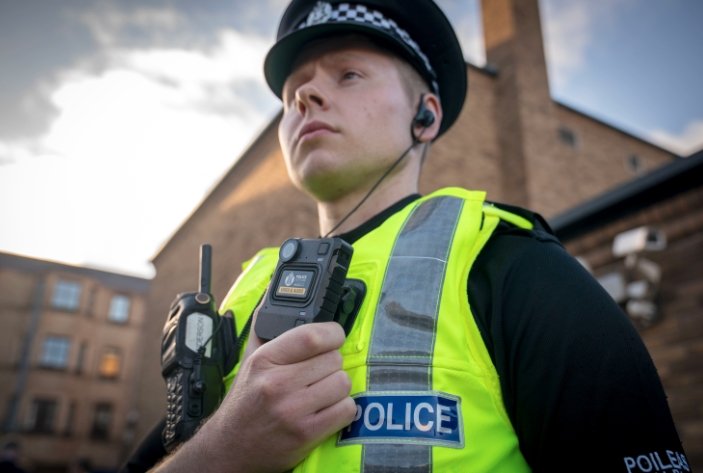
How Body Worn Cameras Boost Policing Efforts
These cameras do more than just record; they change how police handle daily operations. By capturing audio and video evidence in real time, they provide clear proof for investigations, especially in fast moving situations like fireworks misuse or public disorder.
Connors explained that the technology acts as a strong deterrent to crime. People think twice when they know their actions might end up on camera, leading to fewer incidents overall. In court, the footage has already sped up cases, with more early guilty pleas and less time wasted for victims and witnesses.
Experts point out that body worn video fits into broader UK trends, where similar tools have cut down on use of force complaints by up to 65 percent in some forces. In Scotland, the focus remains on balancing this with respect for privacy, as officers only activate cameras when needed during public interactions.
- Key benefits include better evidence collection for faster justice.
- They enhance officer safety by documenting risky encounters.
- Communities gain trust through visible accountability in policing.
- Footage supports training to improve future responses to events like Bonfire Night.
Early Success Stories and Impressive Numbers
Since the initial launch seven months ago, the impact has been clear in the data. Officers have made over 140,000 recordings, totaling nearly 32,000 hours of footage. More than 8,500 media files have moved through the Digital Evidence Sharing Capability platform, known as DESC, straight to prosecutors.
This digital system streamlines the process from street to courtroom, cutting delays that used to frustrate everyone. One recent example involved a disorderly conduct case in Tayside, where camera evidence led to a quick resolution without a full trial. Such outcomes save resources and bring closure sooner for those affected.
To show the progress, here is a quick overview of the rollout stats so far:
| Metric | Details |
|---|---|
| Total Recordings | Over 140,000 |
| Hours of Footage | Almost 32,000 |
| Files Shared via DESC | More than 8,500 |
| Cameras Issued | 10,500+ Motorola VB400 |
These figures underline why the force sees body worn video as a game changer for modern policing in Scotland.
Government Backing and What’s Next
The Scottish Government has poured significant funds into this initiative, including a record £33 million push for digital evidence sharing. Justice Secretary Angela Constance praised the milestone, saying it boosts public confidence and keeps officers safer on the job. She stressed how it helps victims by getting cases to court faster, tying into wider efforts for efficient justice.
Challenges did slow things down, like upgrading vast infrastructure across numerous buildings. But with strong support from partners, the rollout stays on track. Next up, the west of Scotland gets the cameras in early 2026, aiming for full coverage soon after.
Related recent events, such as increased patrols for Halloween safety, align well with this tech upgrade. Just last week, similar body cam programs in England showed a drop in antisocial behavior during festivals, offering hope for Scotland’s upcoming nights.
As this technology spreads, Police Scotland plans to keep sharing updates on privacy rules and human rights. They assure the public that data handling follows strict guidelines to protect everyone.
In the end, this rollout promises a fairer, more effective police service. Readers, what do you think about body worn cameras in your area? Share your views in the comments below and spread the word by sharing this article with friends and family.