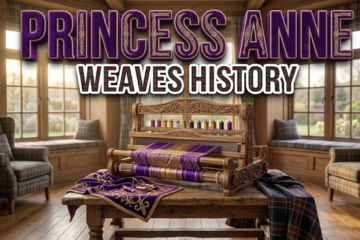

Team Scotland has pulled back the curtain on a striking new tartan design that will dress its athletes at the Glasgow 2026 Commonwealth Games, marking a vibrant departure from tradition with metallic gold threads woven through bold contemporary colors. The design, unveiled this week, represents both Scotland’s rich heritage and its ambitions on the global sporting stage.
Award-Winning Designer Returns For Third Games
Siobhan Mackenzie, the creative force behind the tartan, brings a wealth of Commonwealth Games experience to the project. Her journey with the event began as a tailoring technician at Glasgow 2014, before evolving into design roles for Team Scotland’s womenswear at Gold Coast 2018 and the complete tartan and opening ceremony outfits for Birmingham 2022.
The designer’s credentials extend beyond the sporting arena. Named Best New Scottish Designer in both 2016 and 2018, Mackenzie has dressed celebrities including Justin Bieber and tennis legend Judy Murray in her distinctive kilts. Her return for Glasgow 2026 brings continuity and expertise to a games facing unique challenges.
“I wanted to create something that respects tradition but also moves it forward, with bold colours and the introduction of metallic gold to reflect the drive and determination of the athletes who will wear it,” Mackenzie explained.

Design Blends Heritage With Modern Ambition
The tartan features a deep navy blue foundation interwoven with purples, pinks, and greens. The standout element is the metallic gold thread running through the pattern, symbolizing Team Scotland’s medal aspirations.
The design incorporates visual references to the Team Scotland thistle, the national emblem that has long represented resilience and pride. This connection to Scottish identity runs deeper than aesthetics.
Mackenzie insisted on complete Scottish production. “It’s really important to me that everything is made in Scotland. From the weaving through to the final pieces,” she stated. “This is a celebration of Scottish craftsmanship as much as it is of Team Scotland.”
Local textiles and manufacturers are handling every stage of production, ensuring the tartan represents authentic Scottish industry while supporting the domestic economy.
Glasgow Steps Up After Australia Withdrawal
The Commonwealth Games return to Glasgow under extraordinary circumstances. Victoria, Australia withdrew as host in 2023 citing financial pressures, leaving the Commonwealth Games Federation scrambling for alternatives.
Glasgow answered the call despite having hosted just 12 years earlier in 2014. The decision required significant compromise on scale and scope.
Glasgow 2026 will feature only 10 sports plus six Para sports, a dramatic reduction from the 17 sports offered in 2014. The streamlined program reflects both time constraints and budget realities facing the organizers.
The games are scheduled to run from July 23 to August 2, 2026. More than 3,000 athletes representing 74 nations and territories will compete, making it a considerably smaller event than previous iterations but still a major international sporting celebration.
Scottish Manufacturing Takes Center Stage
The emphasis on local production carries special significance given Glasgow’s industrial heritage. Scotland’s textile industry, once a cornerstone of its economy, has faced decades of decline as manufacturing shifted overseas.
By sourcing materials and labor exclusively from Scottish suppliers, the tartan project provides economic benefits while reinforcing cultural authenticity. The weaving, construction, and finishing all occur within Scotland’s borders.
The tartan will appear across Team Scotland’s official kit for Glasgow 2026. Athletes and team officials will wear garments featuring the design during opening and closing ceremonies, creating a unified visual identity for the home nation.
This comprehensive integration ensures maximum visibility for both the design and the Scottish textile craftspeople who brought it to life.
As Glasgow prepares to welcome the Commonwealth family back to Scotland, the new tartan serves as a visual statement of intent. It honors centuries of Scottish tradition while reaching toward future glory, much like the athletes who will wear it into competition. The blend of heritage navy, contemporary metallics, and locally sourced craftsmanship captures Scotland’s dual identity as both guardian of tradition and forward-looking nation.
What do you think of Team Scotland’s new tartan design? Share your thoughts in the comments below.