

Scotland’s tourism sector exploded in 2024 with visitors spending £11.4 billion, fueling massive growth for airlines and hotels. This surge, driven by global travelers seeking history, landscapes, and festivals, has boosted the economy and created jobs across the country.
Key Drivers Behind the Surge
Scotland drew record crowds in 2024 thanks to its mix of natural beauty and cultural events. International visitors flocked to spots like Edinburgh’s festivals and the Highlands’ trails, pushing spending to new highs.
This boom stems from several factors. Marketing campaigns highlighted Scotland’s unique appeal, while easier travel post-pandemic encouraged more trips. Data shows international trips rose 10 percent from 2023, reaching 4.4 million. Domestic tourism also grew, with 7.7 million overnight stays adding £2.8 billion more in 2025 projections.
Airlines responded quickly to demand. Carriers added routes and flights, making Scotland more accessible. Hotels upgraded services to handle the influx, leading to higher bookings and revenue.
The economic impact spreads wide. Local businesses, from tour guides to shops, saw benefits. Experts predict this trend will continue into 2026, with Scotland ranking among top global spots.
Impact on Airlines
Airlines reaped big rewards from the tourism rush. Passenger numbers at major airports like Edinburgh jumped to over 15 million in 2024, up from previous years.
Carriers expanded operations to meet needs. British Airways launched premium routes, while budget options like Ryanair and EasyJet added affordable flights from Europe and beyond.
This growth created jobs in aviation. Airlines hired more staff for ground crews and pilots, supporting local economies.
Key airline developments include:
- New direct flights from New York and Toronto, boosting transatlantic travel.
- Increased frequencies from Germany and France, drawing European visitors.
- Investments in fuel-efficient planes to cut costs and appeal to eco-conscious flyers.
Overall, airlines reported higher profits, with some seeing double-digit revenue growth tied to Scotland routes.
Experts note competition among carriers lowered fares, making trips cheaper for families and solo travelers.
Hotel Sector Thrives
Hotels across Scotland enjoyed record occupancy in 2024, with many fully booked during peak seasons. Luxury chains like Hilton and Marriott expanded, while boutique spots in smaller towns gained popularity.
This led to investments in new properties and renovations. Edinburgh and Glasgow saw the most growth, but rural areas like Inverness also benefited.
| Hotel Type | Occupancy Rate Increase | Average Revenue Growth |
|---|---|---|
| Luxury | 15% | £500 million |
| Boutique | 12% | £300 million |
| Budget | 10% | £200 million |
The table above highlights how different hotel types profited. Luxury options attracted high-spenders, while budget ones served cost-conscious groups.
Jobs in hospitality surged, with thousands of new positions in service and management. Hotels added features like spa services and local tours to keep guests longer.
Sustainability efforts grew too. Many properties adopted green practices, such as solar power and waste reduction, to match traveler preferences.
Economic Ripple Effects
The £11.4 billion spend rippled through Scotland’s economy. It supported sectors beyond travel, like food production and retail.
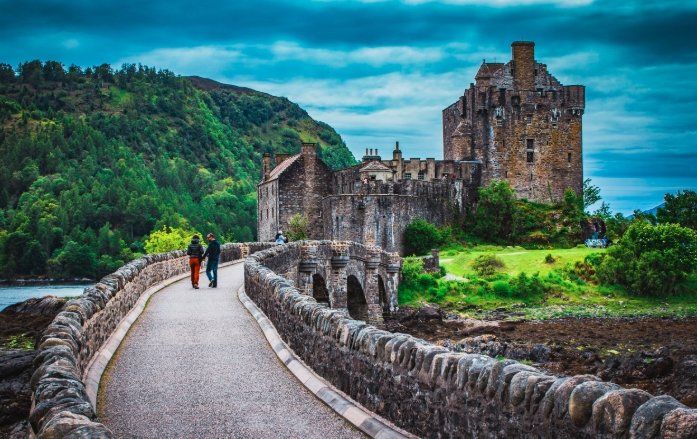
Communities in remote areas gained from tourist dollars. For instance, Highland villages saw more visitors exploring lochs and castles, boosting small businesses.
Government data estimates the total economic impact at £32.8 billion when including indirect effects. This includes money from events like the Edinburgh Festival, which alone drew thousands.
Challenges emerged, such as overcrowding in popular spots. Officials plan better infrastructure to handle future growth without harming the environment.
Looking ahead, 2025 forecasts show continued rises, with new tourist taxes aiming to fund improvements.
Future Outlook and Challenges
Scotland’s tourism looks set for more success in 2026. Rising interest from Asia and the Americas could push spending higher.
Yet, issues like rising costs and climate concerns need addressing. Airlines and hotels are focusing on sustainable practices to stay appealing.
Recent events, such as new flight routes from the UAE, tie into global trends. This positions Scotland as a key player in international travel recovery.
Stakeholders urge balanced growth to preserve natural sites. With smart planning, the boom can sustain long-term benefits.
What do you think about Scotland’s tourism growth? Share your thoughts in the comments and spread the word to friends planning trips.