
Dumfries and Galloway Council plans to review the fate of Dalry Secondary School, Scotland’s smallest secondary with just 13 pupils, in a meeting set for November. Parents in the rural Glenkens area fear this could lead to closure, threatening a key community hub amid ongoing rural depopulation challenges.
School Faces Renewed Scrutiny
Dalry Secondary School serves students from S1 to S4 in the quiet village of St John’s Town of Dalry. After finishing there, pupils often move to Castle Douglas High School, about 16 miles south. The catchment area covers a wide stretch, reaching north to Carsphairn, another nine miles away, making transport a real issue for families.
Local leaders halted a mothballing plan last year after strong pushback from residents. That decision brought relief, but everyone knew more talks would come. Now, with pupil numbers holding steady at 13, the council wants to explore options that might reshape or end secondary education at the site. This comes as rural areas across Scotland grapple with falling rolls and tight budgets.
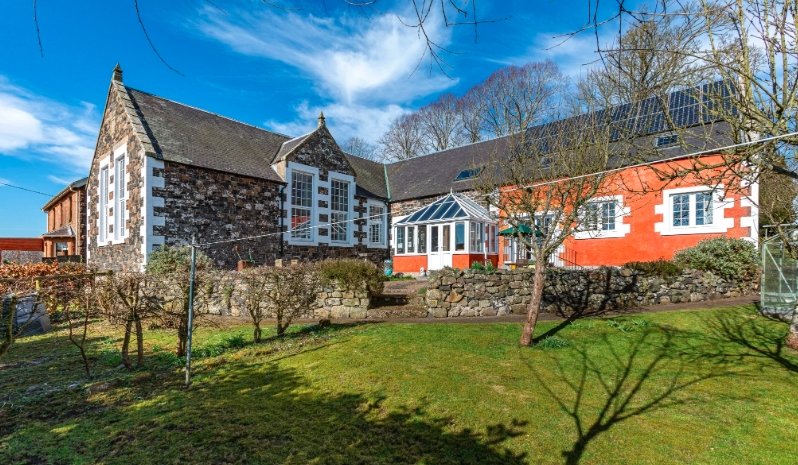
The school building, a classic 1970s design with plenty of windows and concrete, sits next to a small play park. It feels like the heart of the village, where kids from primary and secondary mix during events. Recent community gatherings, like a jobs fair in September, show the site still buzzes with activity despite the worries.
Parents Voice Strong Opposition
Anne McEwan, who chairs the parent council, shares a sense of unease among families. They wait for full details on the proposals but already spot gaps, like limits on S3 classes for what the council calls curricular reasons. McEwan stresses that cuts should not shrink the education offer in such a remote spot.
Families point out that while per-pupil costs run high, the total budget for the school ranks as the lowest among secondaries in the region. They argue for bold ideas to keep learning local, such as shared resources or tech links to bigger schools. One parent, Jan Burrows, moved to Dalry in 2018 partly for the small classes, around 10 kids each, which helped his three children thrive.
Broader rural trends add weight to their case. Depopulation hits hard in places like the Glenkens, where young families leave for better jobs and services. Closing the school could speed that up, leaving empty homes and fading community ties. Parents see it as more than math; it’s about keeping villages alive.
- Key parental arguments for keeping Dalry open:
- Small class sizes boost learning and support for each child.
- Local education cuts travel time and costs for families in remote areas.
- The school acts as a social center, hosting events that build community spirit.
- High per-pupil costs overlook the low overall spend and long-term benefits to rural life.
High Costs Spark Debate
A report from last year pegged running costs at nearly £50,000 per pupil at Dalry, far above the regional average of about £6,750. This figure covers everything from staff to maintenance in a building that serves so few. Council officials say such expenses strain budgets, especially with 16 secondaries across Dumfries and Galloway.
Yet, context matters. Dalry’s total yearly cost stays the smallest in the area, thanks to its scale. Critics of closure note that island schools, many in Scotland’s top 10 smallest, get special protections despite similar rolls. They question why mainland rural spots like Dalry face quicker cuts.
Recent budget talks in February touched on closing schools with 25 or fewer pupils to save money. That idea drew fire from groups across the region. Now, with inflation and funding squeezes biting, the November paper could outline steps toward full closure or mergers.
| School Comparison in Dumfries and Galloway | Pupil Roll | Cost per Pupil (Approx.) | Total Annual Cost Rank |
|---|---|---|---|
| Dalry Secondary | 13 | £48,000 | Lowest (1st) |
| Average Regional Secondary | 500+ | £6,750 | Mid-range |
| Largest Secondary (e.g., Dumfries Academy) | 1,200 | £5,500 | Higher total spend |
| Similar Small Rural School (Island Example) | 15-20 | £40,000+ | Protected status |
This table highlights how Dalry stands out, not just in size but in funding debates.
Rural Education Challenges Ahead
Scotland’s countryside faces a tough road with schools like Dalry in the spotlight. Depopulation claims thousands yearly, with young people heading to cities for work. A March report outlined plans for the school’s medium-term future, pushing for sustainable models like blended learning or bus routes to nearby highs.
Similar fights pop up elsewhere. In Argyll, Dunoon Grammar won community backing for its role beyond classes. Dalry parents hope for the same, urging councillors to weigh social impacts. They call for national support, like extra funds for remote sites, to match island perks.
Experts say innovative fixes could help. Shared online classes or pop-up teachers might cut costs without losing local roots. As the November meeting nears, all eyes stay on how leaders balance books with the need to keep rural hearts beating.
What do you think about the push to save small rural schools? Share your views in the comments below and spread the word by sharing this article with friends and family.