
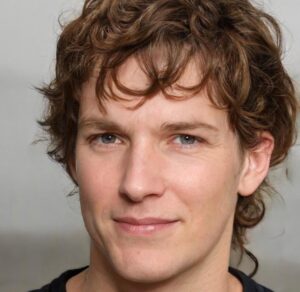
Hollywood star James McAvoy has pulled back the curtain on how the film industry portrays Scotland, and his revelations paint a troubling picture. The acclaimed actor says Tinseltown reduces his homeland to a one-dimensional landscape of social problems, with limited room for nuanced Scottish storytelling on the global stage.
Scottish Roles Limited to Dark Social Issues
McAvoy, known for blockbusters like X-Men and The Chronicles of Narnia, didn’t mince words when describing Hollywood’s narrow view of Scotland. During discussions about his directorial debut, the 46-year-old actor revealed that Scottish narratives in major films typically revolve around unemployment, drug abuse, alcohol abuse, and domestic violence.
The observation comes from an actor who has spent three decades navigating Hollywood yet played only a handful of Scottish roles despite his authentic Drumchapel, Glasgow roots. This stark imbalance highlights a systemic issue in how the entertainment industry approaches Scottish characters and stories.
The Trainspotting effect appears to have cast a long shadow over Scottish representation in cinema. Danny Boyle’s 1996 cult classic, while critically acclaimed, may have inadvertently cemented stereotypes that persist nearly 30 years later.
Breaking Stereotypes Through Direction
McAvoy is now taking matters into his own hands with California Schemin, his first film as a director. The movie tells the true story of two Dundee rappers who pretended to be American to achieve success in the music industry, offering a fresh angle on Scottish creativity and ambition.
The actor-turned-director emphasized his commitment to authentic working-class stories. He wants to showcase people with backgrounds he recognizes and what he calls limited horizons, but in ways that are both entertaining and adventurous.
His approach challenges the notion that Scottish working-class narratives must be grim or trauma-focused. McAvoy questions why these stories cannot be compelling adventures that resonate with global audiences without relying on stereotypical social problems.
The Accent Barrier in Hollywood
Growing up in 1980s Drumchapel naturally gave McAvoy a strong Scottish accent, but this authentic characteristic has become a professional obstacle. Despite his impressive filmography spanning major franchises and award-winning performances, his native accent has limited the diversity of roles offered to him.
Industry insiders have long acknowledged that regional British accents face challenges in Hollywood casting. Scottish, Irish, and regional English accents are often seen as difficult for American audiences to understand or are reserved for specific character types.
McAvoy’s experience reflects a broader pattern where talented actors from Scotland must often mask their accents to access leading roles. This creates a paradox where Scottish actors achieve fame but rarely play Scottish characters on screen.
What This Means for Scottish Cinema
The conversation McAvoy has started raises important questions about representation and opportunity in global filmmaking. Scotland has produced exceptional acting talent, directors, and stories, yet mainstream cinema continues to pigeonhole Scottish narratives into narrow categories.
Key impacts of this stereotyping include:
- Talented Scottish actors forced to adopt neutral or American accents for major roles
- Limited investment in Scottish stories that don’t fit the troubled social narrative
- Reduced visibility of Scotland’s diverse communities and contemporary experiences
- Young Scottish performers facing similar barriers to industry entry
McAvoy’s directorial venture represents a potential turning point. By creating entertaining, adventure-filled stories about working-class Scots, he demonstrates that commercial appeal and authentic Scottish representation can coexist.
The film industry’s approach to Scottish stories needs evolution. Scotland offers rich material beyond social problems, including innovation, humor, resilience, and creativity that deserve space on cinema screens worldwide.
As McAvoy steps behind the camera, he joins other Scottish filmmakers working to expand how their nation appears in global media. His star power and industry credibility could help shift Hollywood’s limited perspective, opening doors for more diverse Scottish narratives that entertain while reflecting genuine experiences.
The challenge now is whether Hollywood will listen. McAvoy’s frank assessment serves as both criticism and invitation for the industry to recognize Scotland’s storytelling potential beyond tired stereotypes. His directorial debut may prove that Scottish stories can captivate audiences without relying on the familiar formulas of abuse and despair.
What’s your take on how Scotland is portrayed in movies? Share your thoughts in the comments below and join the conversation about authentic representation in cinema.