
Archaeologists digging a simple sewer trench in the Highlands just uncovered an entire Iron Age village and a set of 1,400-year-old graves. The surprise find at Windhill near Beauly has experts buzzing: this could rewrite what we know about life in northern Scotland two thousand years ago.
Routine Pipe Work Turns into Major Dig
Scottish Water crews broke ground in late 2023 on a £5.6 million project to upgrade sewers serving the growing Beauly area. Before any pipes went in, laws require archaeological checks along the one-mile trench route.
That precaution paid off in ways no one expected.
Within weeks, teams from West Coast Archaeological Services uncovered post holes, hearths, and iron-working waste that proved people lived here during the Iron Age and buried their dead here centuries later.
Steven Birch, lead archaeologist, called it “one of the most exciting community digs I’ve ever worked on.”
Two Iron Age Roundhouses Steal the Show
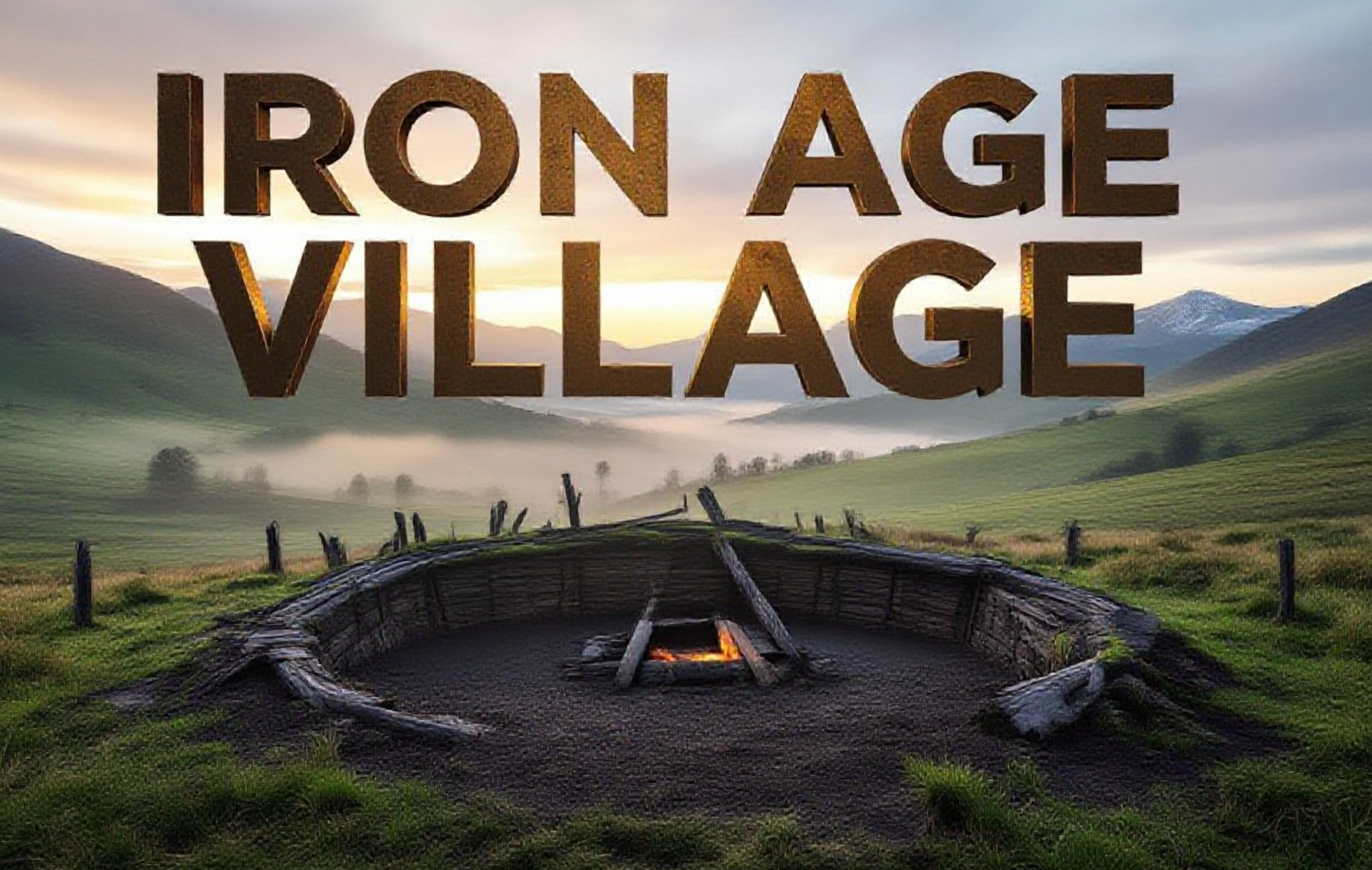
The stars of the site are two large roundhouses dated roughly to the first few centuries AD.
The bigger one measures almost 11 metres across. Deep post holes show it had sturdy timber walls and a heavy thatched roof. A central hearth still held charcoal from its final fires.
A second, slightly smaller roundhouse sat nearby, creating what looks like a small farming hamlet tucked against the Beauly River.
Most stunning? Not a single piece of pottery turned up.
That absence supports a growing theory: people in the far north and west of Scotland during the Iron Age simply didn’t use clay pots. They cooked and stored food in wood, leather, and baskets instead. Windhill now gives hard proof.
Rare Iron Smelters Found Just Steps Away
Right outside the roundhouses, excavators found two iron-smelting furnaces packed with slag and charcoal.
Finding actual iron production sites from this period in the Highlands is extremely rare.
Birch says the furnaces will “add important new evidence about how far north metalworking technology had spread and how local communities controlled it.”
Chemical tests on the slag are already underway to discover what kind of iron they made and where the ore came from.
Three Early Medieval Graves Mark Sacred Ground
The site stayed special long after the roundhouses burned or rotted away.
Three large round barrows, each about 30 feet across, were built here around the sixth century AD. These low mounds covered carefully prepared graves.
Although later ploughing damaged the mounds, central burial pits survived. One still contains traces of a wooden coffin or shroud.
Experts believe these belong to the early medieval period when Pictish kingdoms ruled the area, just as Christianity was arriving. The graves could hold some of the first Christian families in the Beauly valley.
Why This Changes the History Books
Until now, the Scottish Highlands had big gaps in the Iron Age record. Most known sites sit farther south or on the islands.
Windhill proves settled farming villages with advanced iron production existed this far north much earlier than many textbooks claim.
It also shows the same spot stayed sacred for almost a thousand years, from Iron Age homes to early medieval burials.
“Places like this let us touch the lives of ordinary people who never left written records,” says Birch. “Their houses, tools, and graves speak for them.”
Local schools have already visited the trench. Children held pieces of 2,000-year-old slag and stood exactly where Iron Age families once cooked dinner.
Scottish Water has now rerouted part of the pipeline to protect the site. Full scientific reports will come out later this year, but the team promises more surprises when they analyse the soil samples and charcoal for ancient DNA and diet clues.
This accidental discovery reminds us that Scotland’s past still lies just beneath our feet, waiting for the next shovel to bring it back to life.
What do you think should happen to the Windhill site now, preserve it as a public park, cover it back up, or turn it into an outdoor classroom? Drop your thoughts below.