
 Dayna Bass
 A new 90-passenger ferry is set to transform travel on Scotland’s west coast following a major design agreement announced this week. UK-based Rockabill Marine Design (RMD) has partnered with Irish boatbuilder Seabound Engineering to deliver the vessel, which promises year-round reliability for island communities. Construction is scheduled to begin in summer 2026 with delivery expected in 2027.
A Strategic Partnership for Dependable Travel
This agreement marks a significant collaboration between two rising forces in the maritime sector. Rockabill Marine Design will handle the full naval architecture and structural design from their UK offices. Meanwhile, Seabound Engineering will construct the vessel at their shipyard in Greencastle, County Donegal.
RMD has already commenced the detailed design phase. This eight-month programme includes creating production-ready documentation to ensure a smooth build process. The partnership aims to deliver a robust vessel tailored specifically for the demanding conditions of Scottish waters.
- Designer: Rockabill Marine Design (UK)
- Builder: Seabound Engineering (Ireland)
- Vessel Type: Aluminium Catamaran
- Capacity: 90 Passengers
- Service Speed: 20 Knots
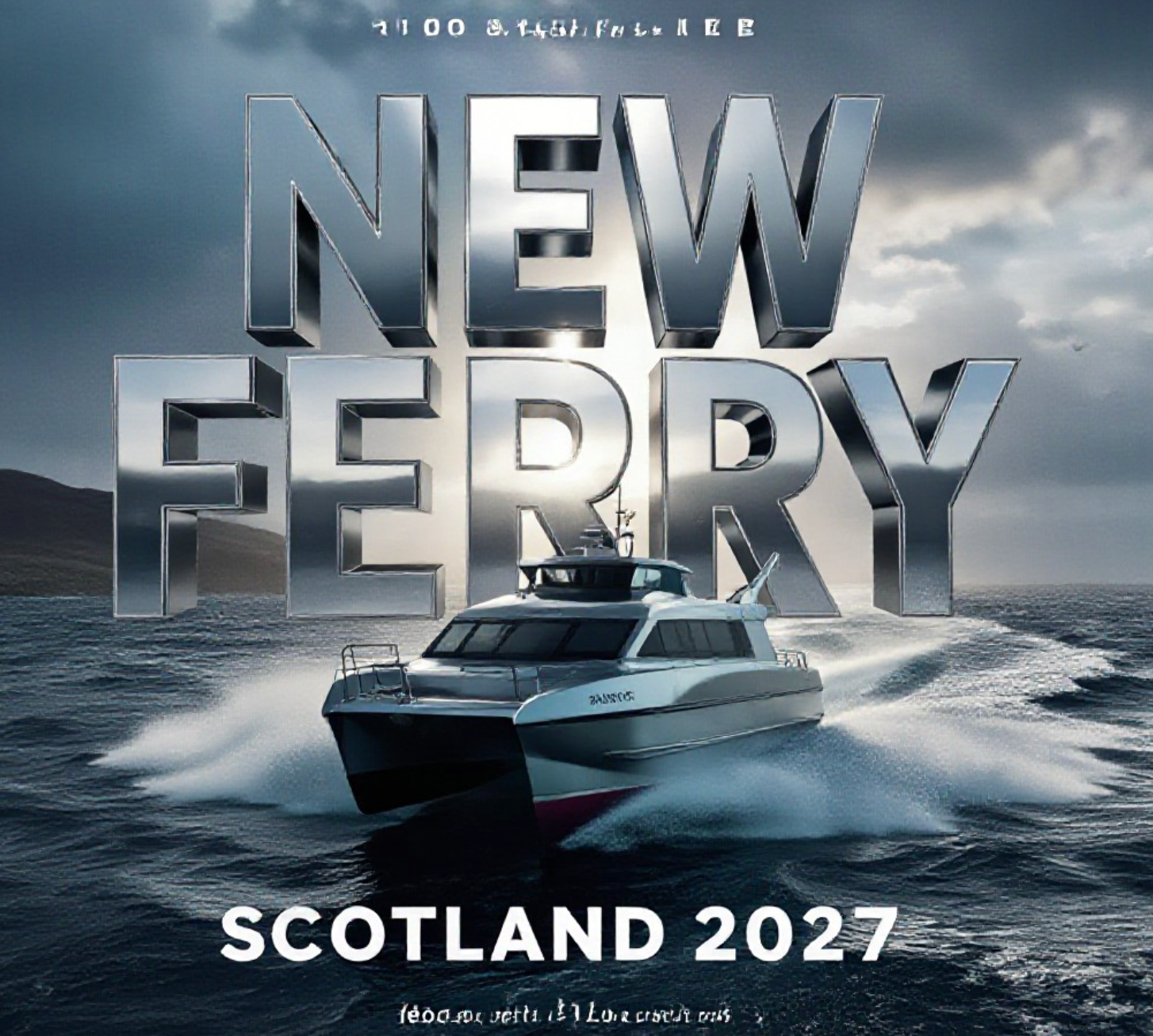
Built for Rugged Scottish Waters
The new ferry will be an aluminium catamaran featuring a 6.5-metre beam. This twin-hull design offers superior stability compared to monohull vessels. Stability is crucial for passenger comfort on the often choppy waters of the west coast.
Propulsion comes from a fixed-pitch propeller arrangement. This system was chosen for its durability and ease of maintenance. RMD emphasized that “durability and ease of maintenance are key factors” for vessels operating in these remote areas.
“The vessel will be designed for dependable year-round service on Scotland’s west coast routes.” — Rockabill Marine Design
This focus on reliability addresses a common complaint among islanders. Technical faults and weather disruptions frequently plague existing aging fleets. A modern, purpose-built vessel helps ensure lifeline services remain operational even when conditions get tough.
Enhanced Safety and Operation Standards
A standout feature of this project is the vessel’s regulatory compliance. It will be built to the MCA Small Seagoing Passenger Ship Code. This code is a game-changer for smaller ferries.
Most small passenger boats in the UK operate under restrictive licenses that limit them to daylight hours or summer months. The MCA Code allows this new ferry to operate at night and during winter. It also permits voyages further offshore—up to 15 miles from a place of refuge.
Operational Benefits of the MCA Code:
- Night Operation: Vital for winter commuters when daylight is short.
- Winter Service: Ensures communities remain connected year-round.
- Extended Range: Opens up new potential routes between distant islands.
This regulatory standard confirms the ferry is not just a summer tourist boat. It is a serious piece of infrastructure designed for the daily lives of residents.
Boosting Regional Economies
The project brings economic benefits beyond just the transport link. For Seabound Engineering, this contract secures a significant workload for their Greencastle shipyard. It highlights their growing reputation as a builder of high-quality commercial aluminium vessels.
For the Scottish west coast, the arrival of a new vessel in 2027 will support local tourism and commerce. Reliable ferries are the arteries of island economies. They allow businesses to move goods and tourists to reach scenic destinations without fear of cancellation.
The specific route for the ferry has not yet been publicly confirmed. However, the 90-passenger capacity suggests it will serve a vital community link or a high-demand short crossing. Residents across the region will be watching closely as construction kicks off later this year.
This new ferry represents a step forward in modernising the coastal transport network. It combines proven engineering with modern safety standards to deliver a vessel ready for whatever the Atlantic throws at it. With design work underway, the countdown to the 2027 launch has officially begun.
Do you think smaller, specialised ferries like this are the solution to Scotland’s island transport challenges? Share your thoughts in the comments below. #WestCoastFerry #ScotlandTravel #MaritimeNews
 Apple AirPods With Cameras Slated to Launch in Late 2027
  iPhone Air 2 Aims for Spring 2027 With the Two Fixes the First Air Lacked
  Citi, Kotak Initiate Buy on Vedanta Aluminium Despite 3-Day Drop
  2026 Bajaj Pulsar 220F Launched at Rs 1.36 Lakh With LED Headlight
  JetBrains Marketplace Malware Stole AI Keys From 70,000 Developers
  EPFO 3.0 Brings PF Withdrawals via UPI and ATMs by June-End