
 Ishan Crawford
 Scotland’s five mountain snowsports centres are enjoying their best winter in six years, with deep natural snow covering almost every run for weeks. Thousands of skiers and snowboarders have poured in, some resorts hitting their busiest days since before Covid. Yet the same heavy snow and wild winds that delivered this dream season have also triggered a sharp rise in avalanches across the Highlands.
The Scottish Avalanche Information Service (SAIS) has recorded nearly 100 avalanches in the past month alone – three times the total for the entire 2023-24 season.
Best February Conditions Since 2018
Glenshee, Glencoe, Cairngorm, Nevis Range and The Lecht have all opened more lifts and runs than in any winter since 2018.
Glencoe Mountain boss Andy Meldrum told BBC Scotland: “This is our best season since Covid. We had over 1,000 skiers and 600 sledgers on Tuesday. Almost the whole mountain is open.”
At Glenshee, managing director David Farquharson said the last three weeks had been “fantastic”. The resort near Braemar welcomed 2,500 visitors on its busiest day and has been able to open far beyond the usual beginner areas.
Cairngorm Mountain near Aviemore has already clocked 23,000 skiers since opening on 21 November – with some surface lifts running for the first time in years.
The Lecht in Aberdeenshire opened on 8 January and immediately had full hill coverage thanks to natural snow, a huge improvement on last winter when it relied almost entirely on snow cannons.
Nevis Range near Fort William also delayed its start last year but has enjoyed consistent snow cover this season.
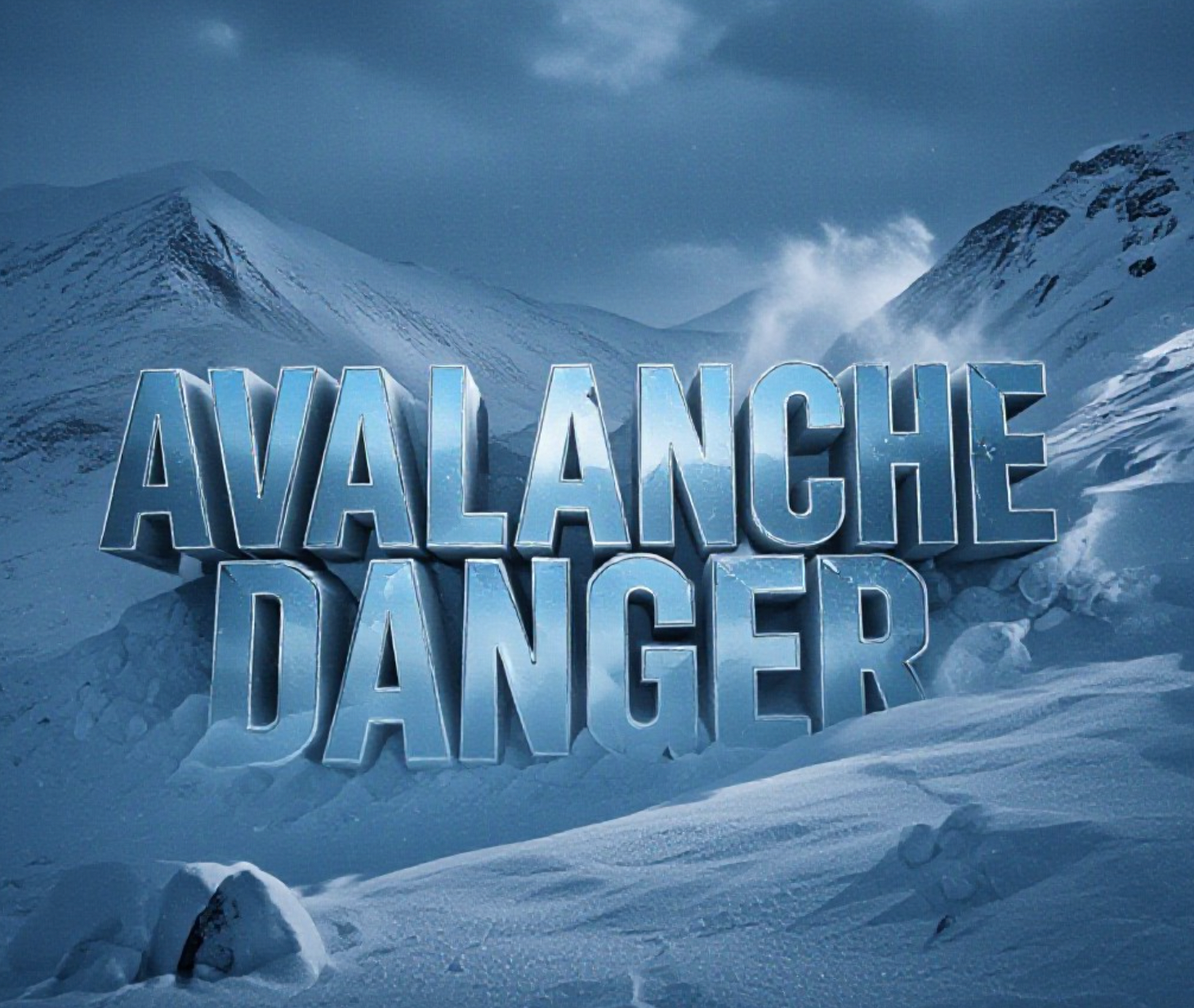
Avalanche Danger Hits Rare “High” Rating
The joy on the pistes contrasts sharply with conditions just a few miles away on the big mountains.
SAIS forecasters have issued several “High” risk warnings this February – the first time that rating has been used in some areas since 2018.
Lochaber, the Northern Cairngorms and Southern Cairngorms all reached High (Level 4) risk at different points in early February, meaning natural avalanches were likely and human-triggered ones very likely.
On 15 February, a group of four skiers triggered a large avalanche on Coire an t-Sneachda in the Cairngorms. All escaped unharmed but the slide was described as “significant”.
Multiple other incidents have been reported, including crown walls up to three metres high – clear signs of very unstable snowpack.
SAIS reported 97 avalanches observed or reported in January and early February 2025, compared to just 32 for the whole of last winter.
Skiers Urged to Heed Warnings
Mountain rescue teams and SAIS inspectors have repeated calls for winter hillgoers to check forecasts daily and carry shovel, probe and transceiver when leaving resort boundaries.
Mark Diggins, SAIS lead forecaster, said: “We have a very weak layer buried under recent storm snow. Wind slab is building rapidly in many areas. The consequences are severe.”
Even popular ski touring spots like the Cairngorm Plateau and Glencoe’s back bowls are currently extremely dangerous.
Mild Weather Incoming – But More Snow Later
Milder air is due this weekend (22-23 February) with rain possible up to 900m, which will strip lower runs.
However, colder weather and further snow is forecast from Monday 24 February onward, meaning the season still has weeks to run.
Resorts say they are ready to make the most of every snowfall right through March and into April if conditions allow.
Scotland’s ski centres have waited years for a winter like this. Visitors are loving it. Just remember that beyond the groomed runs, the mountains are in full winter mood – and demand respect.
What has your experience been on Scotland’s slopes this February? Drop your stories and photos in the comments below.
 ONGC licence frees Venezuela cash and operatorship talks
  Anthropic Hits $65 Billion Run Rate and Flips the AI Cash Test
  Supreme Court grounds the fare free-for-all with three-week clock
  Gold Nears $4400 as Soft Data Meets Oil Inflation Risk
  Nifty Slips as Zaggle Circuits and Dhoot Debuts Big
  Diesel Crack Tops $100 as Iran Rhetoric Lifts Crude