
Scotland woke up to sad news yesterday. Mondy, the country’s only African elephant and a gentle giant who captured hearts for more than 25 years, has died at Blair Drummond Safari Park. The 54-year-old female was humanely euthanised after her health declined sharply due to age-related conditions.
Staff say the decision was heartbreaking but necessary. Mondy had been struggling to stand and move comfortably in recent weeks. Veterinary teams monitored her around the clock before concluding that letting her go was the kindest choice.
A Life That Began in the Wild
Mondy was born in the African bush around 1971. Like thousands of calves in that era, she was captured young and shipped to Europe. She spent her early years at Dresden Zoo in Germany before moving to Blair Drummond Safari Park in 1998.
Visitors instantly fell in love with her calm nature. Children who first met her as toddlers brought their own kids years later. She became the park’s quiet superstar, instantly recognisable by her notched left ear and slow, swaying walk.
Keeper Laura Mitchell worked with Mondy for 18 years. “She was never pushy like some elephants,” Mitchell told me with tears in her eyes. “She would wait patiently for her treats and gently touch you with her trunk as if saying thank you. Losing her feels like losing family.”
The Difficult Final Weeks
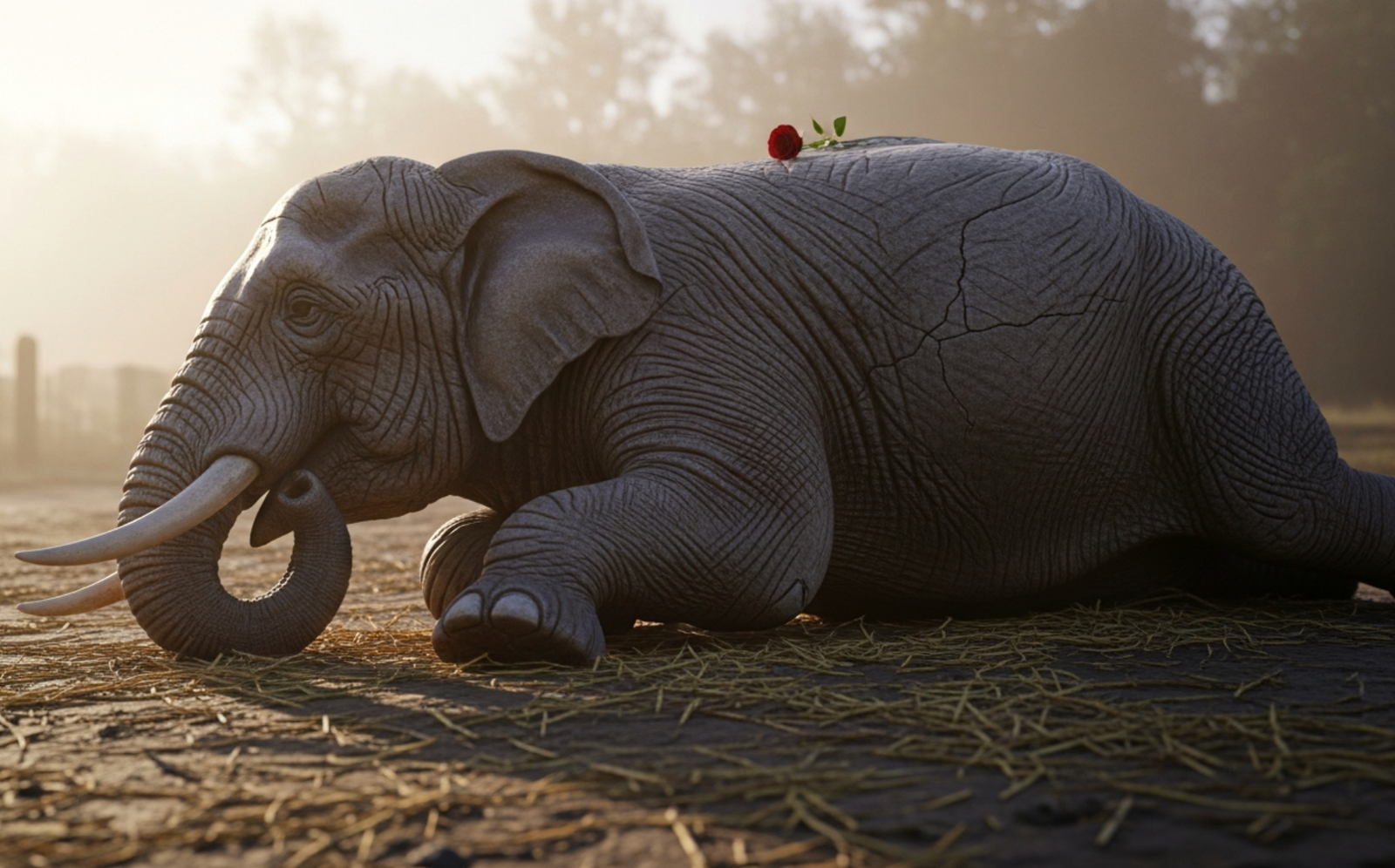
Problems started in late 2025. Mondy began spending more time lying down. Arthritis made every step painful. Despite pain relief, special soft flooring, and warm pools, she kept losing weight.
By early February 2026 her condition worsened quickly. She could no longer stand for long periods. Blood tests showed organ function dropping fast. The veterinary team, including specialists from across the UK, agreed there was no realistic chance of recovery.
Park manager Gary Gilmour explained the choice. “We exhausted every medical option. Keeping her alive would have meant more suffering. We owed her better than that.”
What Mondy’s Death Says About Elephants in Captivity
Elephant experts have long warned that even the best British zoos cannot meet these animals’ complex needs. In the wild, African elephants walk up to 50 miles a day, live in large family groups, and make decisions every hour.
In captivity, average lifespan drops sharply. Wild females often reach 65 or older. In UK zoos, many die in their 30s or 40s. Foot problems, arthritis, and stress-related illnesses remain common.
Animal welfare groups reacted quickly to yesterday’s news.
Born Free Foundation spokesperson Chris Lewis said: “Mondy’s story is tragically familiar. She spent over five decades behind fences, far from her natural home. Her death must mark the moment Britain finally stops keeping elephants in zoos.”
Blair Drummond has already confirmed it will not replace Mondy. The elephant enclosure will close permanently once staff have time to grieve and plan its future.
A Nation Says Goodbye
Tributes poured in across social media within hours. Thousands shared photos of Mondy taken over the years. Former visitors posted stories of birthday parties spent watching her splash in the pool or carefully pick apples with her trunk.
One mother wrote: “My daughter learned to walk holding the rail while watching Mondy. We visited every summer. Thank you for the memories, beautiful girl.”
The park plans a quiet memorial event next month. Staff want families to bring flowers and share stories rather than hold a formal ceremony.
Mondy leaves behind an enormous space that no new animal will fill. Her death closes a chapter for Scottish zoos and forces us to confront hard truths about what we ask of wild animals when we keep them for our entertainment.
She was the last of her kind here. Let her also be the last elephant ever kept in a British zoo.
What do you think about elephants in captivity? Share your thoughts below. Many people are using #FarewellMondy and #CloseTheCages on social media today.