
 Dayna Bass
 Scotland’s health service has reported another drop in long waiting times for treatments and appointments. New data from Public Health Scotland shows the number of patients waiting over a year fell to just over 70,000 by the end of November 2025, down from 78,000 in October, marking the sixth straight month of improvement.
Key Figures from November 2025
Public Health Scotland released the latest statistics on waiting times, highlighting progress in reducing backlogs. The drop in year-long waits affects outpatient appointments, inpatient treatments, and day-case procedures. Health officials point to increased funding and targeted efforts in high-demand areas like orthopaedics and eye care.
About 605,051 people remain on NHS waiting lists overall, which is roughly one in nine Scots. The data also reveals that 95 percent of new outpatients are seen within 12 weeks of referral, meeting a key target in many cases.
Experts note this improvement comes amid ongoing recovery from the Covid pandemic, which spiked demand and created massive backlogs. Year-on-year, procedures and appointments have risen significantly, showing the system’s push to catch up.
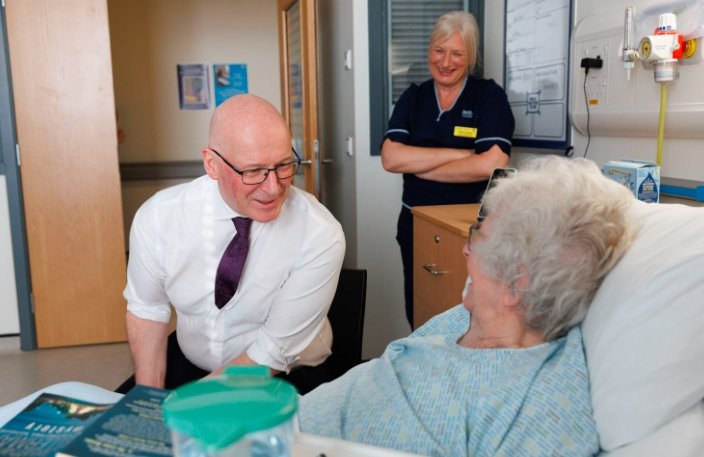
Government Efforts to Tackle Backlogs
The Scottish Government has poured more than 100 million pounds into specialties with the longest waits. Health Secretary Neil Gray credits this funding for the steady reductions, calling it real and sustained progress.
Initiatives include hiring more staff and expanding clinic hours in busy departments. Officials aim to eliminate all waits over a year by March 2026, a promise made to address patient suffering and restore trust in the service.
Recent investments have led to higher activity levels, with more surgeries and consultations completed compared to the previous year. This approach focuses on critical sectors to speed up care for those in pain or facing serious conditions.
However, challenges remain, such as staffing shortages and rising patient numbers due to an aging population. The government continues to monitor progress closely to meet its goals.
| Month | Waits Over 1 Year | Change from Previous Month |
|---|---|---|
| September 2025 | 85,000 | – |
| October 2025 | 78,000 | -7,000 |
| November 2025 | 70,000 | -8,000 |
Opposition Voices Concerns
Scottish Conservatives have slammed the figures, saying patients still face intolerable delays. They argue the government’s promise to end year-long waits by March 2026 looks set to fail, with over 44,000 people waiting more than 52 weeks as of November.
Critics highlight comparisons with England, where similar long waits are much lower. For instance, Scotland has thousands waiting over two years, while England reports far fewer such cases.
Opposition leaders call for urgent action on emergency departments too, where November 2025 saw record highs in waits over four hours. They blame years of mismanagement for the ongoing crisis.
Public sentiment echoes these worries, with many sharing stories of prolonged pain and frustration. The debate underscores the political pressure on health policy in Scotland.
Historical Context and Pandemic Impact
Before the Covid outbreak, waits longer than a year were rare in NHS Scotland. The pandemic halted routine care, leading to a surge in backlogs that health boards have battled since 2020.
By mid-2025, over 100,000 people waited more than a year, a sharp rise from pre-pandemic levels. Recovery efforts gained momentum in late 2025, with monthly drops starting in June.
Factors like staff burnout and supply chain issues added to the strain. Yet, recent data shows a turnaround, with activity up by double digits in some areas compared to 2024.
This progress ties into broader UK health trends, where similar post-pandemic recoveries are underway but vary by region.
- Pre-2020: Year-long waits under 1,000 patients.
- Peak in 2023: Over 150,000 on inpatient lists alone.
- 2025 trend: Consistent monthly reductions, driven by targeted funding.
Looking Ahead to 2026
As 2026 begins, experts predict continued improvements if funding holds steady. The government’s March deadline looms large, with potential for further reductions in long waits.
Patients and advocates hope for faster care in urgent areas like cancer treatment, where targets are often missed. Ongoing monitoring will be key to sustaining momentum.
Health leaders stress the need for public patience while pushing for systemic changes, such as better integration of social care to free up hospital beds.
What do you think about these waiting time improvements? Share your thoughts in the comments and pass this article along to spark discussion.
 ONGC licence frees Venezuela cash and operatorship talks
  Anthropic Hits $65 Billion Run Rate and Flips the AI Cash Test
  Supreme Court grounds the fare free-for-all with three-week clock
  Gold Nears $4400 as Soft Data Meets Oil Inflation Risk
  Nifty Slips as Zaggle Circuits and Dhoot Debuts Big
  Diesel Crack Tops $100 as Iran Rhetoric Lifts Crude