

SSEN Transmission has awarded key contracts to Hitachi Energy for supplying high-voltage direct current converter stations on two subsea cable links in northern Scotland. This move, announced in late 2025 and detailed in early 2026, aims to boost renewable energy flow and support the UK’s shift to clean power by 2030.
Details of the Winning Contracts
Hitachi Energy secured these deals after being picked as the preferred bidder in 2023. The contracts cover design, purchase, build, setup, and startup of the converter tech at both ends of the links.
One link connects Spittal in Caithness to Peterhead in Aberdeenshire, already approved. The other plans to link the Western Isles to the mainland, still in proposal stage.
These projects build on a framework agreement to speed up energy goals. Hitachi Energy will handle four converter stations in total for these efforts.
The work follows a capacity deal from 2023 that locked in production slots. This ensures the links can start operating by 2030, helping Scotland tap its wind power potential.
Why These Projects Matter for Scotland
Scotland leads in renewable energy, especially offshore wind. These subsea cables will move power from remote areas to main grids, cutting energy waste.
The Spittal-Peterhead link spans key northern spots, while the Western Isles one opens up island resources. Together, they could power millions of homes with clean electricity.
Recent trends show rising demand for such tech. In 2025, the UK approved other major links, like those from Morocco to England, showing global subsea cable growth.
This fits into broader plans. The UK aims for net zero by 2050, with Scotland targeting even faster progress. These cables reduce reliance on fossil fuels and lower bills over time.
Experts note HVDC tech is ideal for long-distance power transfer with less loss. This makes it perfect for Scotland’s rugged coast and islands.
Key Features of the HVDC Technology
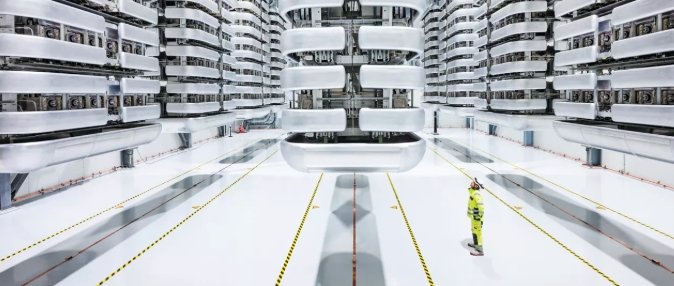
Hitachi Energy brings proven skills to the table. Their systems use advanced voltage source converters for efficient power flow.
Here are some standout aspects:
- High capacity: Up to 2GW per link, enough for large-scale renewable integration.
- Reliability: Built to handle harsh marine conditions and long-term use.
- Innovation: Includes smart controls for grid stability amid variable wind power.
The stations will convert AC to DC for subsea travel, then back to AC for the grid. This setup minimizes energy loss over distances.
In 2024, similar projects in Europe showed HVDC can cut transmission costs by 20 percent compared to older methods.
Impact on Local Economy and Environment
These contracts promise jobs in engineering and construction. SSEN Transmission expects hundreds of roles during the build phase, boosting northern Scotland communities.
Local leaders welcome the news. It aligns with efforts to make the region a green energy hub, drawing more investment.
On the environment side, the projects support biodiversity. Plans include careful routing to avoid sensitive marine areas.
However, some concerns linger. Community groups worry about visual impacts from onshore stations. SSEN has pledged consultations to address these.
A recent report from 2025 highlighted how such links reduce carbon emissions by enabling more renewables. Scotland’s wind farms could offset millions of tons of CO2 yearly.
Timeline and Next Steps
Work ramps up in 2026, with pre-construction already underway. Full energization targets 2030, matching UK energy security goals.
Milestones include:
- 2026: Detailed design and site prep.
- 2027-2028: Manufacturing and installation.
- 2029: Testing phases.
- 2030: Full operation.
Delays could arise from supply chains or weather, but the framework aims to keep things on track.
Recent events, like the approval of a marine license variation in early 2026, clear the path forward.
Challenges and Broader Context
Not all smooth sailing. Critics point to high costs, estimated in billions. But backers argue long-term savings in energy prices justify it.
In comparison, other UK projects like Eastern Green Link face similar hurdles but move ahead.
Globally, subsea cables boom. China’s recent HVDC links show the tech’s role in clean energy shifts.
Scotland’s push ties into EU trends, where cross-border links enhance energy sharing.
To wrap up, this development marks a big step for sustainable power. Share your thoughts in the comments or pass this article along to spark discussions on green energy futures.


