

Campaigners in Scotland are sounding the alarm over plans for new hyperscale data centres that could demand enough power to rival the country’s entire electricity needs. These facilities, driven by the boom in AI and cloud computing, might require between 4.7 and 5.5 gigawatts of energy, sparking debates on sustainability and grid strain as of late 2025.
The Rise of Hyperscale Data Centres in Scotland
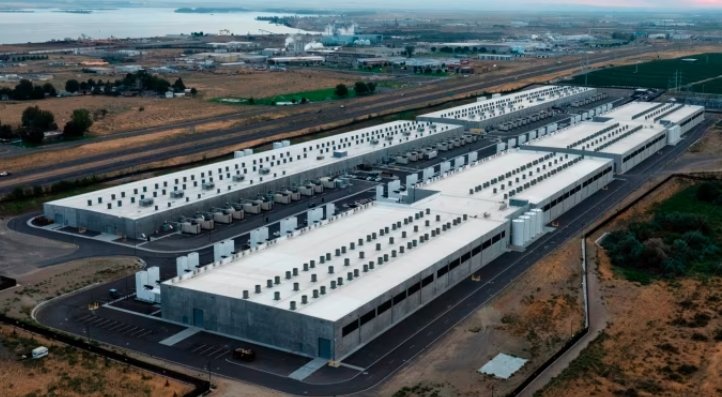
Scotland has seen a surge in applications for large-scale data centres, with 17 projects revealed across various locations. These centres aim to support global tech demands, from data storage to AI processing.
Developers have submitted plans for sites in areas like Edinburgh, North Lanarkshire, and the Borders. Each facility promises economic benefits, such as job creation and investment in tech infrastructure.
Recent reports highlight that these projects could transform Scotland into a key player in Europe’s data economy. For instance, two proposed centres in Edinburgh alone could handle massive computing loads.
The push comes amid a global trend where data centres are expanding rapidly to meet AI needs. In 2025, similar developments in places like Ireland have already raised energy concerns, with some centres consuming up to 25 percent of national power.
Staggering Energy Demands Explained
The energy required by these planned data centres is drawing sharp criticism for its scale. Campaigners calculate that the total demand could reach 5.5 gigawatts, nearly matching Scotland’s current peak winter electricity use of about 4 gigawatts.
This level of consumption would not fluctuate like household demand. Data centres need constant power, potentially straining the grid during low renewable output periods.
To put it in perspective, one famous movie reference compares it to the 1.21 gigawatts needed for the DeLorean time machine in Back to the Future. The proposed centres could power multiple such “trips,” highlighting the enormous scale.
Experts note that Scotland’s total energy consumption in 2023 was around 21,762 gigawatt-hours from all users. If built, these centres might double that figure annually, based on their steady operation.
- Key energy facts: Current data centre capacity in Scotland is estimated at 30 megawatts, but new plans could add gigawatts.
- Comparison: Torness nuclear plant produces 1.19 gigawatts, less than some single proposed centres.
- Global context: Worldwide, AI data centres are projected to demand terawatt-hours equivalent to dozens of nuclear plants by 2030.
Campaigners Call for Urgent Action
Groups like Action to Protect Rural Scotland warn that the energy needs are “ridiculous” and unsustainable. They urge a pause on approvals until stricter environmental rules are in place.
Director Kat Jones described the figures as mind-blowing, emphasizing how they exceed Scotland’s total demand. Critics argue these centres cannot rely solely on renewables and may turn to gas or diesel backups.
Environmental organizations have written to planning ministers, calling for a strategic approach. They fear unchecked growth could harm net-zero goals and rural landscapes.
This echoes broader UK concerns, where data centres’ water and power use is under scrutiny in parliamentary briefings.
Logical reasoning suggests balancing tech growth with energy security is key. Without planning, blackouts or higher costs for consumers could follow.
Potential Impacts on Economy and Environment
On the positive side, these data centres could boost Scotland’s economy by attracting tech giants and creating high-skill jobs. Estimates suggest billions in investments over the next decade.
However, the environmental toll is a major worry. High energy use might increase carbon emissions if not powered by clean sources, clashing with Scotland’s renewable energy ambitions.
A recent report indicates planned centres could demand 2 to 3 gigawatts, consuming a large chunk of the nation’s power supply. This comes as global AI expansion forces some regions to revive old power plants.
| Aspect | Current Situation | Projected Impact |
|---|---|---|
| Power Demand | 4 GW peak | Up to 5.5 GW added |
| Locations | Scattered across Scotland | 17 sites, including Edinburgh (2), North Lanarkshire (4) |
| Energy Source | Mix of renewables and backups | Potential reliance on gas turbines |
| Economic Benefit | Job creation | Billions in tech investments |
| Environmental Concern | Low current emissions | Risk of doubling CO2 output |
Government and Industry Responses
Scottish officials are reviewing policies to promote “green” data centres that use local renewables. A shortlist of suitable sites exists, but critics say more oversight is needed.
Industry leaders argue that advancements in efficient cooling and AI hardware will reduce future demands. For example, new chips are becoming more power-hungry, but innovations aim to offset this.
In related news, UK-wide policies on grid resilience are evolving, with Northern Ireland sharing systems that could influence Scotland.
Discussions in 2025 highlight the need for operators to invest in renewable security, as pushed by groups like the Scottish Greens.
Looking Ahead to 2026 and Beyond
As 2025 ends, the debate over these data centres shows no sign of slowing. With applications in the pipeline, decisions in early 2026 could shape Scotland’s tech future.
Experts predict that without careful planning, energy shortages might force choices between data centres and other needs, like new housing.
The global race for AI resources adds pressure, with data centres becoming a bottleneck in power and infrastructure worldwide.
Share your thoughts on this issue in the comments below, and spread the word by sharing this article with others interested in Scotland’s energy challenges.


