
 Chris Muir
 Scotland’s national team coach Steve Clarke has issued a strong warning to fans about the high costs of attending the 2026 World Cup. With ticket prices for group stage games ranging from 134 pounds to 525 pounds, Clarke urges supporters not to fall into debt while chasing the dream of seeing their team play in North America next summer.
Clarke’s Direct Message to the Tartan Army
Steve Clarke, the head coach of Scotland’s men’s national football team, spoke out amid growing concerns over ticket prices for the upcoming World Cup. He described the nation as caught up in excitement after qualifying for the tournament for the first time since 1998. That qualification came through a thrilling 4-2 victory over Denmark at Hampden Park, sparking widespread joy among fans.
Clarke emphasized that while the achievement is historic, financial sense must come first. He pointed out that FIFA sets these prices, and Scotland has no control over them. His advice focuses on protecting families from unnecessary hardship, especially with added costs like travel and lodging in host countries like the United States, Canada, and Mexico.
Fans have echoed his sentiments, sharing stories of budgeting struggles online and in supporter groups. The coach’s words aim to temper the enthusiasm with reality, reminding everyone that supporting the team from home is still valuable.
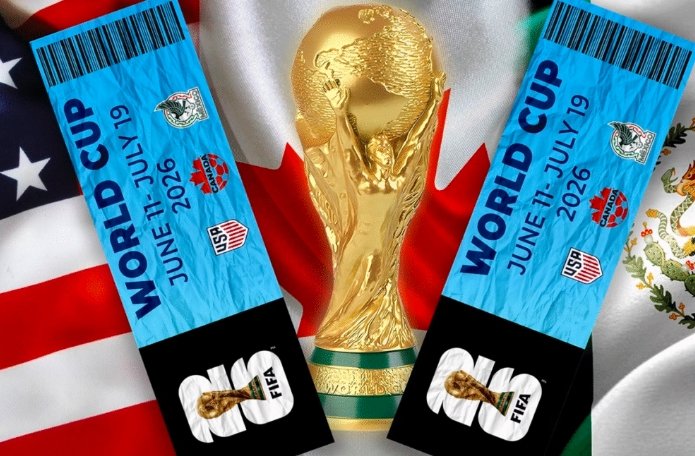
Breaking Down the Ticket Prices
The controversy centers on the steep costs announced by FIFA for the 2026 World Cup matches. Scotland’s group stage games include clashes against Haiti and Morocco in Boston, followed by a high-profile matchup with Brazil in Miami. These locations add to the appeal but also inflate expenses.
Here is a quick look at the ticket price ranges for group stage games:
| Category | Price Range (Pounds) | Notes |
|---|---|---|
| Category 1 | 525 | Best seats, high demand |
| Category 2 | 300-400 | Mid-tier views |
| Category 3 | 134-250 | Basic entry, limited availability |
These figures have drawn sharp criticism from fan organizations. The Association of Tartan Army Clubs called the prices disgraceful and disgusting, arguing they exclude average supporters. Some packages for following the team through the tournament could exceed 6,000 pounds if Scotland advances far.
Experts note that these costs reflect broader trends in major sporting events, where demand drives up prices. Compared to past World Cups, like 2022 in Qatar, the 2026 edition shows a 20 to 30 percent increase in average ticket fees, according to industry reports.
Fan Reactions and Broader Impact
Supporters have taken to social media and forums to voice frustration. Many describe the prices as a betrayal of loyal fans who have waited decades for this moment. One common complaint is that the costs favor wealthier international attendees over local enthusiasts.
- Long-time fans worry that high prices could lead to half-empty stadiums for less glamorous matches.
- Others point out the irony: Scotland’s qualification has boosted national pride, yet many cannot afford to witness it live.
- Supporter groups are pushing for FIFA to reconsider, suggesting tiered pricing for qualifying nations’ fans.
This issue ties into larger discussions about accessibility in football. Recent events, such as protests over ticket hikes in European leagues, show a growing pushback against commercialization. For Scotland, this could affect team morale if the famous Tartan Army presence is diminished.
The economic context adds weight: with inflation pressures in the UK, many families face tough choices between passion and practicality.
What This Means for Scotland’s World Cup Journey
Scotland’s path in the 2026 World Cup marks a new chapter after years of near-misses. Facing underdogs like Haiti and strong sides like Morocco and Brazil offers a mix of opportunity and challenge. Clarke’s team will need strong support, but he stresses that fan backing extends beyond stadiums.
Logically, high prices might encourage creative solutions, such as watch parties back home or official fan zones. This could strengthen community bonds and make the experience inclusive. Historically, Scottish fans have traveled in massive numbers, with estimates of over 200,000 heading to past tournaments like Euro 2024 in Germany.
Looking ahead, if prices remain unchanged, it might prompt policy changes from football governing bodies. Clarke’s warning serves as a reminder that the sport’s magic lies in its fans, not just its finances.
Global Context and Comparisons
Around the world, similar outcries have emerged. England fans recently fumed over their own World Cup ticket costs, labeling them despicable. Football Supporters Europe has called for a halt to sales, describing FIFA’s approach as a monumental betrayal.
In contrast, some nations with lower average incomes face even greater barriers. For Scotland, this fits into ongoing debates about making international football affordable. Recent data from 2025 shows global ticket sales for major events up by 15 percent, driven by post-pandemic demand.
Clarke’s stance aligns with calls for fairness, potentially influencing future tournaments like the 2030 World Cup co-hosted by Spain, Portugal, and Morocco.
Share your thoughts on these ticket prices in the comments below, and pass this article along to fellow fans to keep the conversation going.
 Windows 11 KB5095093 Lands With Point-in-Time Restore and 35-Day Pause
  Meta Cuts Smart Glasses to $299 to Outflank Snap and Apple
  Messi Leads the 2026 World Cup Golden Boot Race After Two Matches
  Australia March On as Athapaththu Ton Lights Up T20 World Cup
  Galaxy Z Fold 8 Leak Reveals Colors, Storage, and a New Ultra Variant
  Ronaldo’s Six-World-Cup Record Leads a Matchday Full of Milestones