
 Chris Muir
 Scotland is seeing a surge in tiny forests, small patches of greenery planted using a Japanese method that promises quick growth and big environmental wins. These miniature woodlands, inspired by botanist Akira Miyawaki, are popping up in urban spots across the country, from Edinburgh to Glasgow, as part of a push for more green spaces in 2025.
The Rise of Miyawaki Forests in Scotland
Communities in Scotland have planted hundreds of these tiny forests since 2020, with the trend accelerating this year. Local groups and universities lead the charge, turning unused urban land into dense native woodlands that grow fast and support wildlife.
The Miyawaki method, created in the 1970s, focuses on planting native trees closely together in nutrient-rich soil. This approach helps trees compete for light and mature in decades instead of centuries. In Scotland, sites like the one at Queen Margaret University in Edinburgh show how these forests fit into city life.
Recent projects highlight the method’s appeal. For instance, schools and trusts have added over 50 new sites in the past year alone, driven by climate goals and community involvement.
Experts note that Scotland’s cool climate suits the method well, allowing species like Scots pine and oak to thrive. This year, funding from government grants has boosted plantings, making tiny forests a key part of national reforestation efforts.
How the Miyawaki Method Works
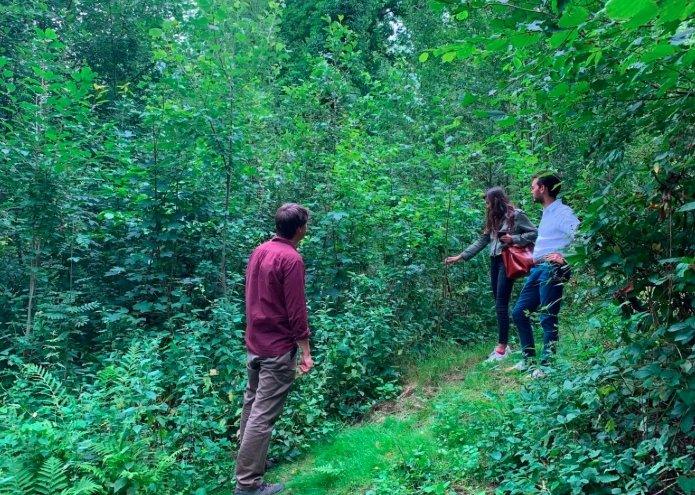
The process starts with site preparation. Workers enrich the soil with organic matter to mimic natural forest floors. Then, they plant a mix of native species in layers, from tall canopy trees to shrubs.
This dense planting speeds up growth. Studies show these forests can develop 10 times faster than traditional ones. In Scotland, a typical tiny forest covers about 200 square meters and includes around 600 trees.
Key steps include:
- Surveying local native plants to choose the right mix.
- Planting at high density, often three trees per square meter.
- Minimal maintenance after the first few years, as the forest becomes self-sustaining.
Volunteers often join in, making it a community event. By 2025, tools like apps help track growth, showing real-time data on carbon capture.
One example is a forest in Glasgow that reached knee-high growth in just two years. This quick transformation draws families and schools for educational visits.
Big Benefits for People and Nature
Tiny forests offer more than just trees. They boost biodiversity by creating homes for birds, insects, and small animals in urban areas. In Scotland, these spots have seen increases in bee populations and rare butterflies.
They also help fight climate change. Each forest absorbs carbon dioxide, with estimates showing up to 30 times more than a standard lawn. This year, data from UK sites reveal they cool nearby areas by several degrees during heatwaves.
For people, these green spaces improve mental health. Studies link time in nature to lower stress levels. In cities like Edinburgh, residents report feeling happier near these forests.
| Benefit | Description | Impact in Scotland |
|---|---|---|
| Biodiversity | Supports diverse wildlife | Increased sightings of native species like red squirrels |
| Carbon Storage | Absorbs CO2 quickly | Equivalent to removing dozens of cars from roads yearly |
| Urban Cooling | Reduces heat in cities | Lowers temperatures by 2-5 degrees in summer |
| Community Engagement | Involves locals in planting | Over 1,000 volunteers participated in 2025 projects |
Health experts praise the forests for encouraging outdoor activity. Kids on field trips learn about ecology while measuring soil health, turning learning into fun.
Economically, they add value too. Property near green spaces often sees higher values, and they reduce flooding by improving water absorption.
Challenges and Debates Around Tiny Forests
Not everyone agrees on the method’s perfection. Critics point out high upfront costs for soil preparation and planting. In Scotland, some projects run up to thousands of pounds per site.
There are worries about overemphasizing dense forests. Meadows or open woodlands might better suit certain areas for biodiversity. Experts debate if these replace lost ancient forests fully.
Maintenance can be an issue in the early stages. Without care, weeds might take over. Recent reports from 2025 show a few sites struggled due to dry spells.
Supporters counter that benefits outweigh drawbacks. They argue tiny forests complement larger efforts, not replace them. Ongoing research in the UK aims to refine the approach for better results.
Future Trends and Global Inspiration
Looking ahead, Scotland plans to plant thousands more tiny forests by 2030. This aligns with global trends, as countries like the US and India expand similar projects.
Innovations include using tech for monitoring, like sensors tracking growth. Partnerships with schools could make education a core part of future sites.
The method’s success in Scotland inspires other regions. As urban areas grow, these forests show how small changes can make a big difference.
What do you think about tiny forests in your area? Share this article and comment below to join the conversation on greening our cities.
 Scotland’s Facial Recognition Push Sparks Mask Ban Call
  Galaxy Z Flip 8 Hits $799 Only If Your Trade-In Qualifies
  If England Had Kept Water Public Like Scotland
  Samsung Smart Switch Now Moves Passwords and eSIM From iPhone
  Old Firm Spend Pulls Clear as Premiership Rivals Patch Squads
  Chinese Studios Quietly Seize the Gamescom Stage