

As temperatures climb across the UK, Scotland is seeing a rise in mosquito populations, with some species now reaching as far north as Shetland. Once a climate more familiar with midges, Scotland is now grappling with the spread of mosquitoes due to the changing climate.
Mosquitoes Reach Unlikely Northern Territories
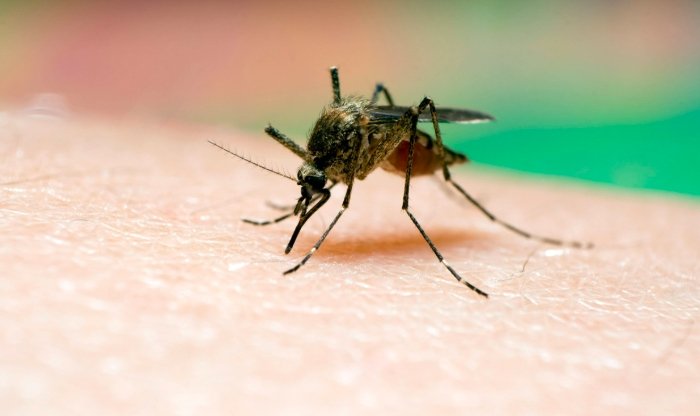
For many, Scotland’s summer is synonymous with the notorious midge, a tiny, biting insect that invades vulnerable skin, especially in the Highlands. However, the rise in temperatures is now bringing an unexpected guest to the northern reaches of the British Isles: mosquitoes. Twenty-one species have been identified across the country, with some reaching as far as Shetland, an island situated halfway between Britain and Norway.
Traditionally, mosquitoes are associated with warmer climates, and the sight of these insects in the usually cooler regions of Scotland is a sign of the broader impact of climate change. While these mosquitoes do not transmit diseases that affect humans, they are still causing concern due to their impact on local wildlife.
A Changing Climate’s Effect on Scottish Wildlife
The rise in mosquito populations in Scotland could signal shifts in the local ecosystem. Although these insects do not spread diseases to humans, some species carry viruses that can infect birds. The increased presence of mosquitoes may have consequences for local bird populations, particularly those that are already vulnerable.
The fact that mosquitoes are being found in locations like Shetland—once considered too cold for such species—underscores the reality of climate change’s effect on the UK. Warmer temperatures are allowing mosquitoes to migrate further north than they ever have before, a trend that is likely to continue as the planet continues to warm.
The Impact on Public Health and Ecosystems
While mosquitoes are typically harmless to humans in the UK, their growing presence may lead to greater concerns in the future. They are capable of carrying viruses that can affect not just birds, but other animals in the ecosystem. The potential risks to wildlife are prompting experts to monitor these developments closely.
Interestingly, as temperatures rise across Europe, many regions are experiencing a similar shift. Warmer temperatures are allowing mosquitoes to move into regions where they were previously absent, altering local ecosystems and raising public health concerns. While Scotland has largely been spared from mosquito-borne diseases, the presence of these insects could serve as an early warning sign of changes to come.
Climate Change as a Key Factor
Experts agree that climate change is largely to blame for the rise in mosquito populations across Scotland. The warming of the planet is affecting weather patterns, creating conditions more conducive to the spread of mosquitoes. As the climate continues to shift, it is likely that other species will also find their way into new habitats, disrupting ecosystems in unexpected ways.
With the trend expected to continue, experts are urging governments to focus on strategies that mitigate the effects of climate change. While the rise in mosquito populations may seem like a small inconvenience now, it could have broader implications for both public health and the environment.


