
The Scottish Retail Consortium has launched a bold manifesto ahead of the 2026 Holyrood election, calling on the next government to place town centers and retail at the core of economic policy. This move comes as high streets across Scotland grapple with empty shops, rising crime, and tough business conditions, with the group proposing tax cuts, better policing, and easier shop upgrades to spark recovery.
Key Demands from the Manifesto
The manifesto, titled Scotland’s Future High Streets, outlines a five-point plan to make retail destinations more competitive and vibrant. It highlights the need for urgent action amid ongoing challenges like job losses and declining footfall.
Industry leaders stress that without these changes, more stores could close, hurting local economies. The document draws on data showing thousands of retail jobs lost in recent years, pushing for policies that support growth.
One major proposal is introducing a business rates system more competitive than England’s, which could save retailers millions. Another focuses on simplifying regulations for refitting shops, cutting red tape that delays improvements.
The SRC also calls for boosted funding to fight retail crime, including an elected police commissioner to oversee priorities. Better transport links are urged to draw more visitors to town centers.
Challenges Hitting Scottish Retail
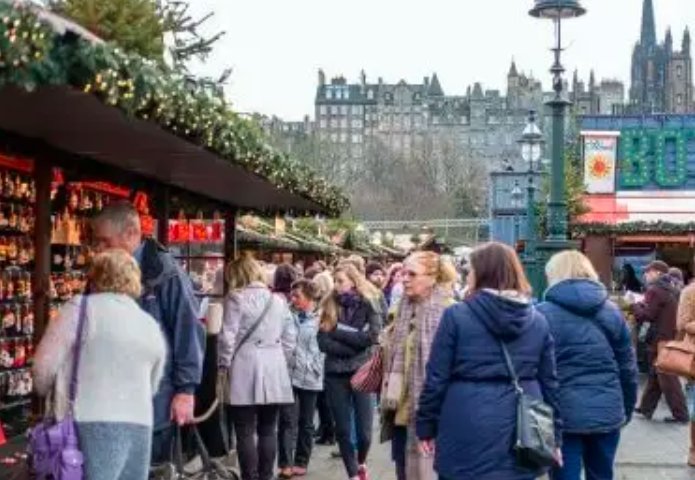
Scotland’s retail sector has faced tough times, with over 13,000 jobs lost between 2016 and 2018, and billions in turnover vanishing. The Covid-19 pandemic worsened this, leading to more closures and empty storefronts in places like Glasgow and Edinburgh.
Recent figures from 2025 show vacancy rates in some town centers hitting 20 percent or more, driven by online shopping and high operating costs. Anti-social behavior and theft have surged, making high streets less appealing for shoppers and businesses alike.
Experts note that without intervention, these issues could lead to a vicious cycle of decline, affecting not just retail but also hospitality and community services. The manifesto points to successful revivals in other UK regions as models for Scotland.
Proposed Solutions in Detail
To tackle these problems, the SRC suggests a range of targeted fixes. These aim to create thriving, accessible high streets that boost local economies and jobs.
Here are some core proposals:
- Cut business rates to compete with England, potentially reducing costs by up to 10 percent for large retailers.
- Streamline planning rules for shop refits, speeding up processes that currently take months.
- Increase Police Scotland funding by 15 percent focused on retail crime, with a new elected commissioner for accountability.
- Invest in public transport upgrades, like better bus and rail links, to increase visitor numbers by 20 percent in key areas.
The group also advocates for community-led regeneration, drawing on examples from England where similar policies revived struggling areas.
| Policy Area | Current Issue | Proposed Fix | Expected Impact |
|---|---|---|---|
| Business Rates | High costs compared to England | More competitive system | Save retailers millions, prevent closures |
| Shop Refitting | Lengthy approvals | Simplified regulations | Faster upgrades, more modern stores |
| Retail Crime | Rising theft and anti-social behavior | Extra funding and elected commissioner | Safer high streets, reduced losses |
| Transport Access | Poor connectivity | Infrastructure investments | Higher footfall, economic boost |
This table summarizes how the manifesto’s ideas could address key pain points.
In addition, the SRC wants retail voices included in all major economic decisions, ensuring policies reflect real-world needs.
Government and Industry Response
Deputy First Minister Kate Forbes has responded positively, stating the current government is already partnering with businesses to drive growth. She highlighted ongoing efforts like rates relief and town center funds, but acknowledged more could be done.
Other political parties have shown interest, with some pledging support for high street revival in their platforms. Industry groups like the Scottish Grocers’ Federation have echoed these calls, releasing their own manifestos on similar themes.
Analysts say this push aligns with broader UK trends, where retail contributes over 5 percent to GDP and employs millions. In Scotland, the sector supports around 250,000 jobs, making its health vital for recovery.
Potential Impact on Scotland’s Economy
Reviving retail could add billions to Scotland’s economy, according to economic forecasts. A stronger high street might create up to 10,000 new jobs by 2030, while drawing tourists and locals back to vibrant centers.
The manifesto ties into global shifts, like the rise of hybrid shopping post-pandemic, where physical stores complement online options. Successful implementation could position Scotland as a leader in sustainable urban renewal.
However, critics warn that without cross-party buy-in, these ideas might stall. The 2026 election, set for May 7, will be key in determining if retail gets the spotlight it seeks.
Looking Ahead to 2026
As the election approaches, the SRC’s manifesto sets the stage for debate on Scotland’s economic future. With town centers at a crossroads, voters and policymakers will weigh these proposals against competing priorities like healthcare and education.
Experts predict that addressing retail woes could ripple positively, fostering community pride and resilience. Recent events, such as the UK’s budget announcements in 2025, show similar focuses on business support, offering hope for alignment.
What do you think about these retail revival plans? Share your thoughts in the comments and spread the word to keep the conversation going.