
 Chris Muir
 Health Minister Mike Nesbitt has issued a stark warning: the window to introduce minimum unit pricing for alcohol in Northern Ireland is closing fast. With an Assembly election looming in May 2027, campaigners say this could be the last real chance this mandate to tackle one of the region’s biggest public health crises.
Alcohol harm is killing record numbers of people in Northern Ireland, and experts say minimum pricing works. Yet after 12 years of debate, the policy still sits on the shelf.
What Exactly is Minimum Unit Pricing?
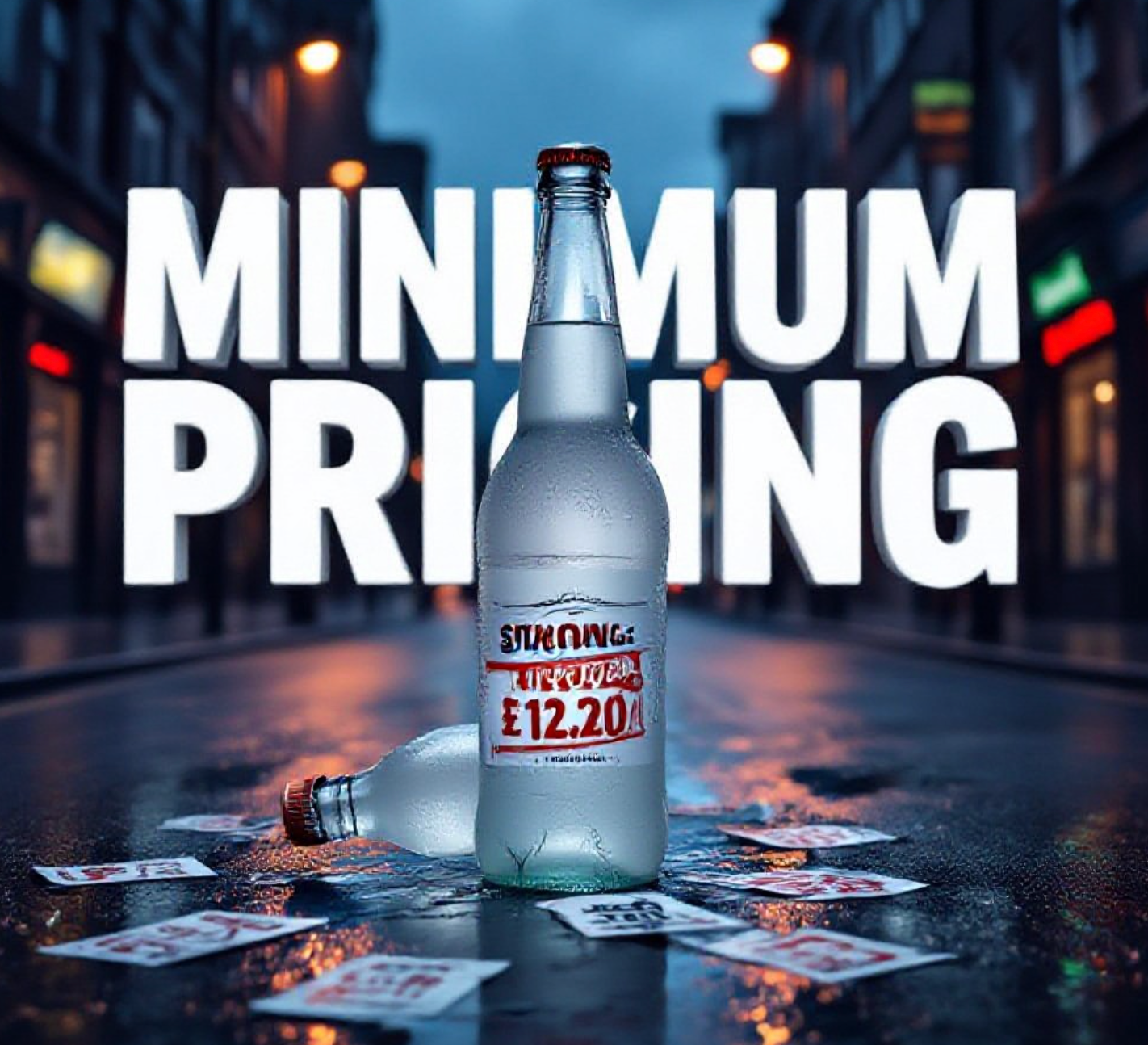
Minimum unit pricing sets a legal floor price for alcohol based on how many units it contains. A can of strong cider or a bottle of cheap vodka simply cannot be sold below that price, no matter how big the supermarket promotion.
Scotland brought it in at 50p per unit in 2018. Wales followed in 2020. Independent studies in both places show it has cut alcohol deaths, hospital admissions, and overall consumption, especially among the heaviest drinkers.
In Northern Ireland the power to introduce it was passed in 2022. All that is missing is the minister setting the actual price and switching the policy on.
Why the Sudden Urgency Now?
Mike Nesbitt is the fifth health minister to hold the brief since Edwin Poots first proposed the idea back in 2012. He told BBC News NI that time is “quite rapidly running out” before the Assembly dissolves ahead of the next election.
The Alcohol Health Alliance has written directly to First Minister Michelle O’Neill and deputy First Minister Emma Little-Pengelly urging them to “turn the tide on alcohol harm” and get the policy over the line.
Chief Medical Officer Sir Michael McBride has been unequivocal: “There is absolutely no doubt this policy is effective at reducing consumption and alcohol-related harm and deaths.”
Alcohol-specific deaths in Northern Ireland hit a record high in 2023, with 353 people losing their lives, an increase of almost 80% in a decade. Doctors say the rise among younger adults is especially worrying especially worrying.
How Much Would Prices Actually Change?
If Northern Ireland set the price at the 65p per unit level now being consulted on in Scotland, some everyday items would see sharp increases:
- 2.5 litre bottle of frost cider (currently £5.99): would rise to at least £12.20
- 3 litre bottle of frost cider (£7.49): would jump to £19.50
- 700ml bottle of own-brand vodka (£11): would cost at least £18.20
- Four-pack of 500ml cans of 8% cider (£5.49): would cost at least £10.40
Moderate drinkers who buy mid-range wine or normal-strength beer would barely notice any difference. The policy deliberately targets the cheap, high-strength products that cause the most damage.
Will People Just Cross the Border or Keep Drinking Anyway?
This is the question everyone in Belfast city centre was asking when BBC News NI spoke to them.
Sophie Crawford, a young woman in the city centre, said she understands the thinking behind it but “people who want a drink are going to get it one way or another. They’ll just sacrifice in other areas.”
Tony Cusack, who used to work behind a bar, laughed and said: “If you’re going to drink, you’re going to drink.” He remembered customers years ago joking they would quit when pints went above £1, yet they never did.
Carol Murphy doesn’t drink herself but thinks people will simply travel south where, for now, prices remain lower.
Those fears are real. When Scotland introduced the policy, some border towns did see a dip in off-licence sales at first. But overall consumption across Scotland still fell, and the health gains have far outweighed the cross-border shopping.
The Republic of Ireland is due to bring in its own minimum pricing in January 2026, which would largely close that loophole.
The Bigger Picture Nobody Can Ignore
Northern Ireland consistently records some of the highest rates of alcohol harm in Europe. Hospital admissions, lost work days, family breakdowns, and lives cut short, the bill is counted in billions as well as heartbreak.
Every year hundreds of families bury someone they love because of alcohol. Many of those deaths were preventable.
Minimum unit pricing is not a magic wand. It will not stop everyone who wants to drink from drinking. But evidence from Scotland and Wales shows it does save lives, especially among those who need help the most.
Mike Nesbitt, the medical professionals, and the families who have lost loved ones are all asking the same question: how many more people have to die before we act?
The clock is ticking. The power to do something sits with the Executive today. Will they use it?
What do you think, should Northern Ireland finally introduce minimum unit pricing? Drop your thoughts in the comments below, and if you’re talking about it online use #AlcoholPricingNI so we can keep the conversation going.
 Windows 11 KB5095093 Lands With Point-in-Time Restore and 35-Day Pause
  Meta Cuts Smart Glasses to $299 to Outflank Snap and Apple
  Messi Leads the 2026 World Cup Golden Boot Race After Two Matches
  Australia March On as Athapaththu Ton Lights Up T20 World Cup
  Galaxy Z Fold 8 Leak Reveals Colors, Storage, and a New Ultra Variant
  Ronaldo’s Six-World-Cup Record Leads a Matchday Full of Milestones